


How to Write Wind Noise Specs for ANC Headphones
Wind Noise Specs for Noise-Canceling Headphones
Say you are developing noise-canceling headphones for commuters. The spec sheet only says "suitable for outdoor use." You send it to three factories. One gives you noise cancellation figures from a test without wind. Another offers a design that shields the microphone openings from wind. The third suggests changing how noise cancellation works when the headphones detect wind.
All three factories have replied, but you still do not know which sample will let users hear their audio clearly with noise cancellation on in windy conditions. If you wait until the samples arrive to bring this up, the factory has to review its design again. If the earcup housing needs to change, the factory also has to check whether the mold needs changes before making and testing a new sample.
Agree on how to test the headphones and what counts as a pass before you request quotes. When the samples arrive, check them under those same conditions.
Describe Where Users Will Face Wind
Do not just write "outdoor use." For example, your customers might walk to work past tall buildings where they often face gusts. They listen to podcasts with noise cancellation on the whole way. For this project, being able to follow a podcast in windy conditions is a clearer requirement than "suitable for outdoor use."
If customers mainly use noise cancellation in the office and only wear the headphones outdoors once in a while, wind noise does not have to be the top priority. Tell the factory where users face wind and which mode they use there. That tells the factory what problem it needs to solve.
Set the Wind Test Conditions Before Requesting Quotes
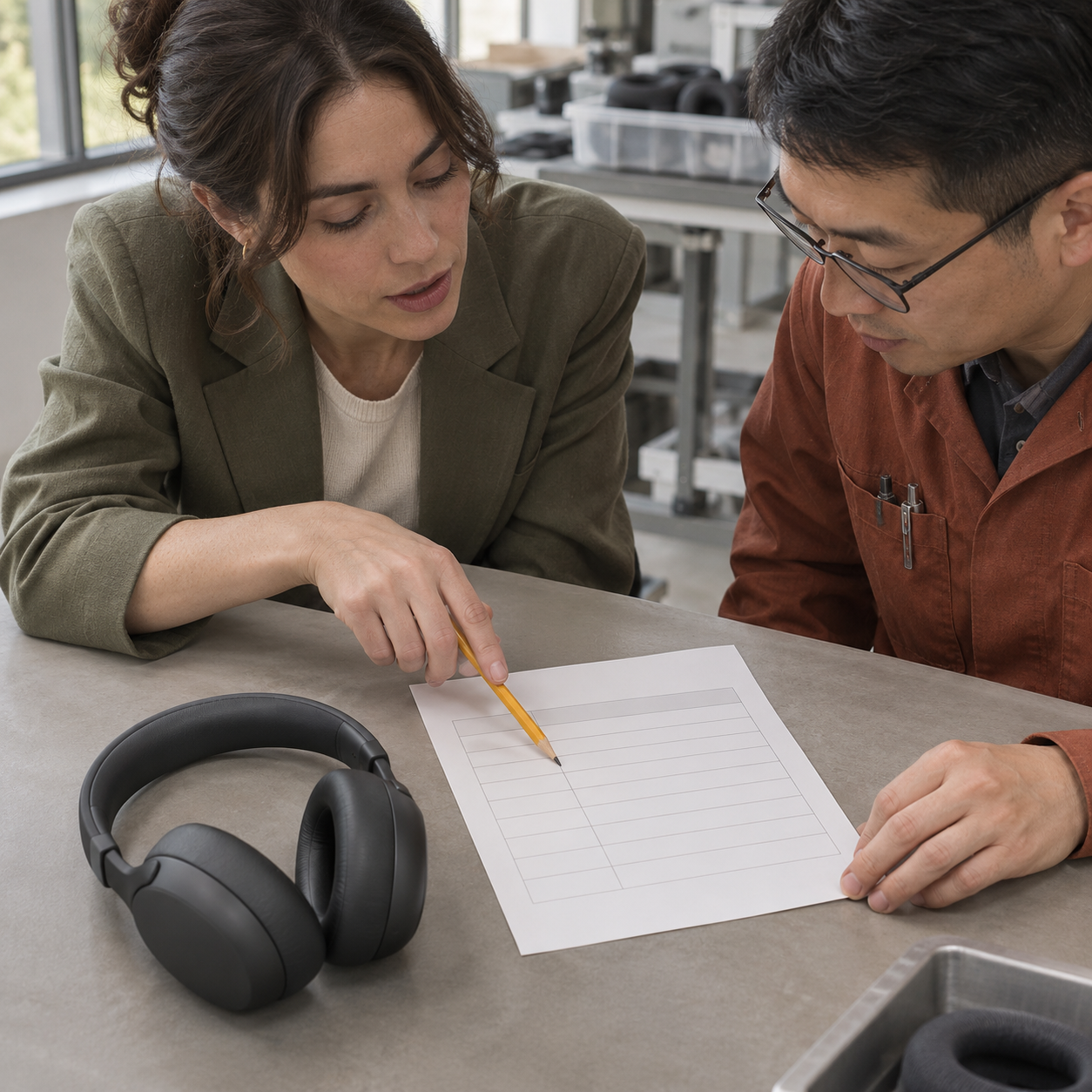
"No noticeable wind noise outdoors" leaves two questions open. How strong is the wind? What should the tester be able to hear? Write down the wind source, how far it is from the earcup, and which direction it blows from. Then agree on the listening mode, test length, audio clip, and playback volume.
If you use a desk fan, do not just write "speed 2." The same setting on two different fans can produce different airflow. Ask each factory whether it can follow the agreed setup. If it uses a different fan, ask it to record its actual settings. When the samples arrive, test them again with the same fan and the same setup so you can compare them fairly.
You can describe a pass in plain terms. For example, with noise cancellation on and the fan set as agreed, the tester can still follow full sentences in the same podcast clip. Ask the factory if it can run that test before it quotes. Decide whether the sample passes after you receive and test it.
Ask How the Design and Software Handle Wind
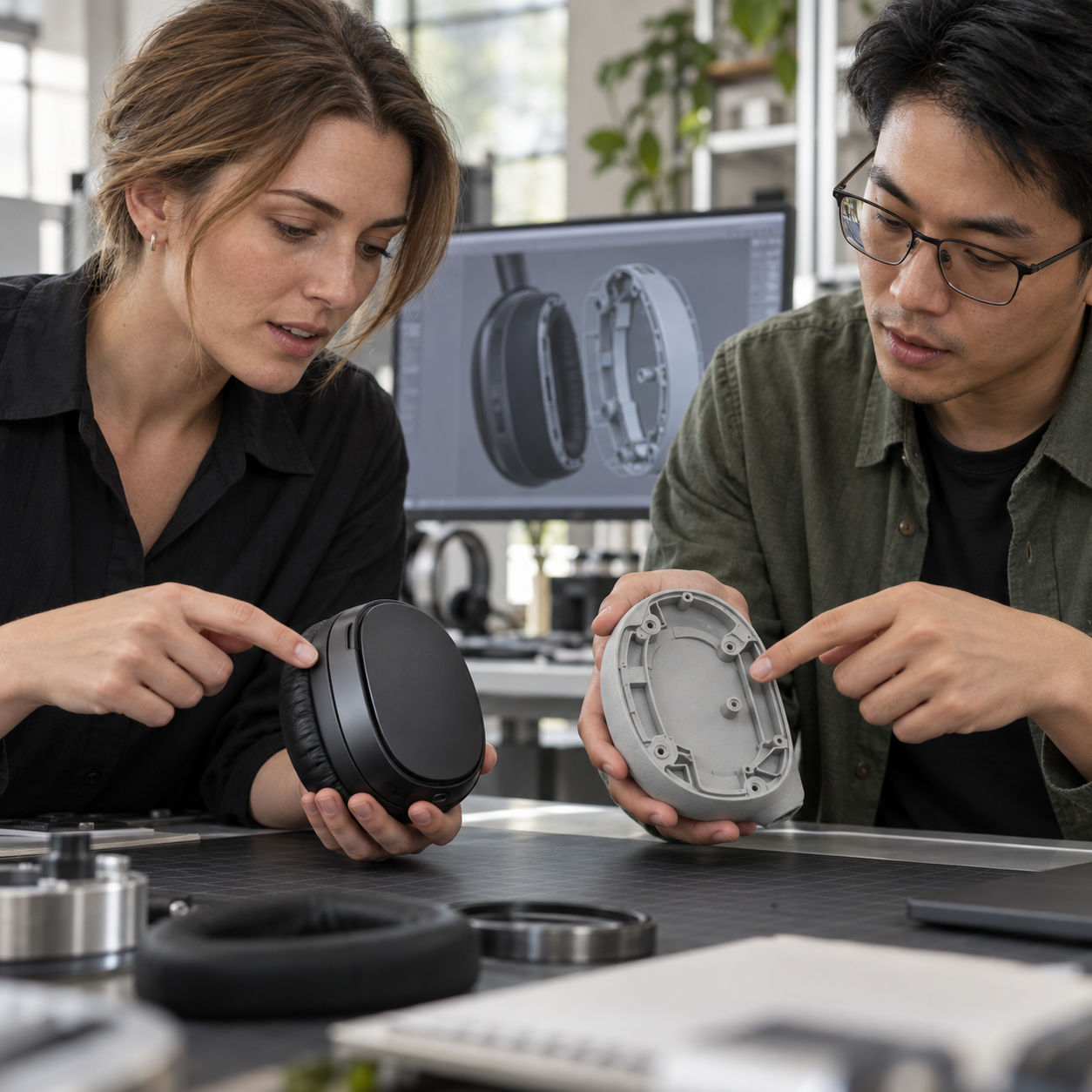
First, ask how the microphone openings are shielded from wind. If the factory wants to move an opening or change the earcup housing, ask whether it needs to change the mold and when it can send a sample for review.
Then ask what the headphones do when they detect wind. Do they switch off some of the noise cancellation microphones or stay in the same mode? Ask which actions are controlled by the software inside the headphones, known as firmware. If the factory changes the firmware, repeat the wind test on the sample with the updated version.
You do not need to tell the factory which design or software to use. Set the result you need, then ask each factory how it plans to reach it. That makes it easier to see what accounts for differences in price and what needs to change if a sample fails.
Set a Separate Requirement for Wind Noise on Calls
The rushing sound you hear through the headphones is not the same as the wind noise the person on the other end hears. You might hear a podcast clearly and still be hard to understand on a call.
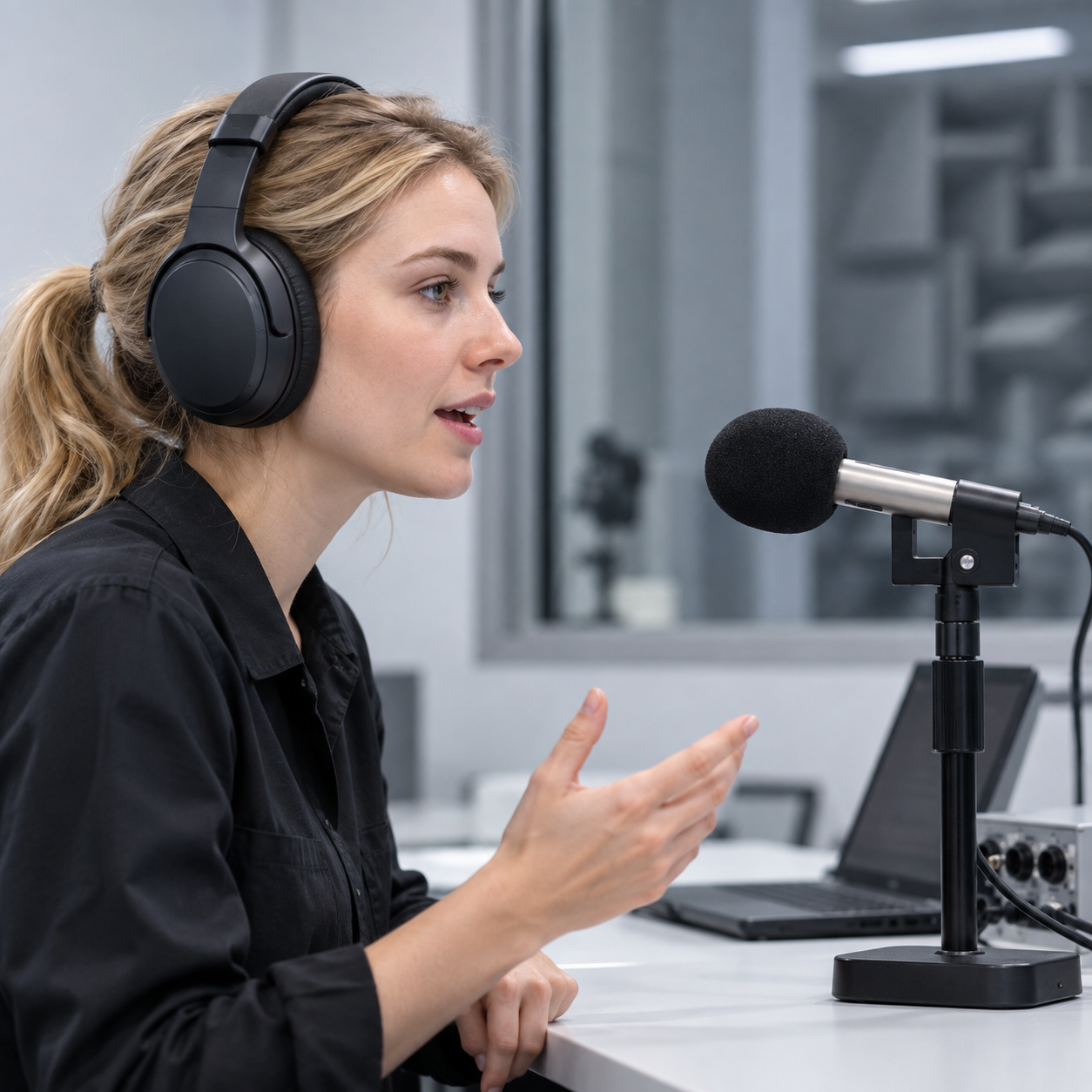
Have the tester speak normally under the agreed wind conditions. Ask the person on the other end of the call to record what they hear and check whether they can follow full sentences. Record this result separately from what the wearer hears.
Keep Noise Cancellation Ratings Separate From Wind Tests
If the noise cancellation rating comes from a test without wind, it does not tell you how the headphones sound in windy conditions. Sony's guide to wind noise notes that wind can sound louder with noise cancellation or ambient sound mode on. Ambient sound mode lets the wearer hear more of their surroundings.
On some Sony models with automatic wind noise reduction, the headphones turn off one or both noise cancellation microphones when wind reaches a certain level. Noise cancellation can be weaker during that time.
List the conditions for the noise cancellation rating separately from the wind test and its pass requirement. Do not accept a noise cancellation figure in place of a wind test. Do not assume your sample has a feature just because another brand offers it.
Send the Wind Noise Spec With Your Quote Request
| Spec item | What to write | What to ask before the factory quotes |
|---|---|---|
| Use case | Where users face wind and whether noise cancellation is on | Which use case does the proposed setup address? |
| Wind noise heard by the wearer | Wind source, placement, listening mode, test time, and what counts as a pass | Can the factory follow the test setup? Ask it to note any differences. |
| Wind shielding | How the factory plans to shield the microphone openings | Does the mold need changes? Is that cost included in the quote? |
| Software behavior | What happens when the headphones detect wind and when the wind stops | Which firmware version will the sample use? Will the factory test it again after an update? |
| Wind noise on calls | Record at the other end of the call and check whether speech is clear | Can the factory provide a separate call recording and test record? |
An RFQ, or request for quotation, should give each factory the same requirements, not ask them to build the same headphones. A shared spec lets you see what each price includes and where the extra costs come from. For more on this, see our guide to comparing two OEM headphone quotes.
Send Sonun your customers' use cases and wind noise requirements. We will explain in the quote which requirements call for design changes and which can be met through firmware settings. Before shipping samples, we will test them under the agreed conditions and include the results for each mode.