






How to Compare Two OEM Headphone Quotes When the Specs Look the Same
A buyer sends the same headphone RFQ to two factories. Both quotes say Bluetooth, long battery life, stable connection, customized logo, and export-ready packaging.
One quote is lower. At first glance, it looks like the smarter choice.
But in OEM headphone sourcing, two similar quote sheets may not represent the same product. The real difference often hides behind the chip solution, battery grade, microphone design, testing process, certification documents, packaging material, and after-sales risk.
For buyers building a private-label headphone line, the question is not simply “Which factory is cheaper?” A better question is: what exactly is included in this price, and what might be missing?
Same Words Do Not Mean Same Configuration
Many OEM headphone quotes use similar words. “ANC,” “ENC,” “Bluetooth 5.4,” “low latency,” or “long battery life” can appear in different quotations, but the actual solution behind those words may be different.
For example, two TWS earbuds may both support noise reduction. One may use a better microphone layout and more stable algorithm tuning, while the other only offers a basic call noise reduction function. On paper, both can be described as noise reduction earbuds. In real use, the call quality and return risk may be very different.
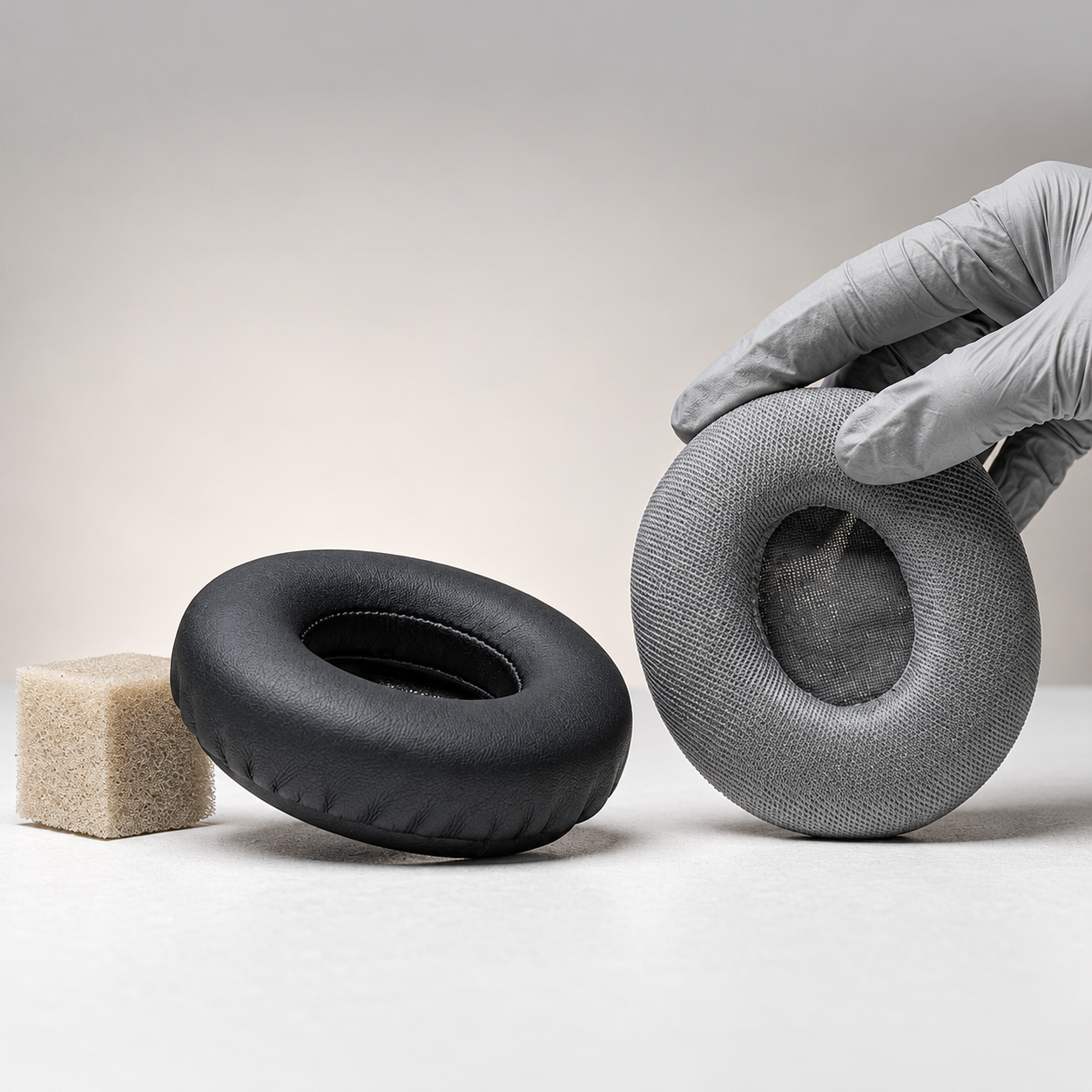
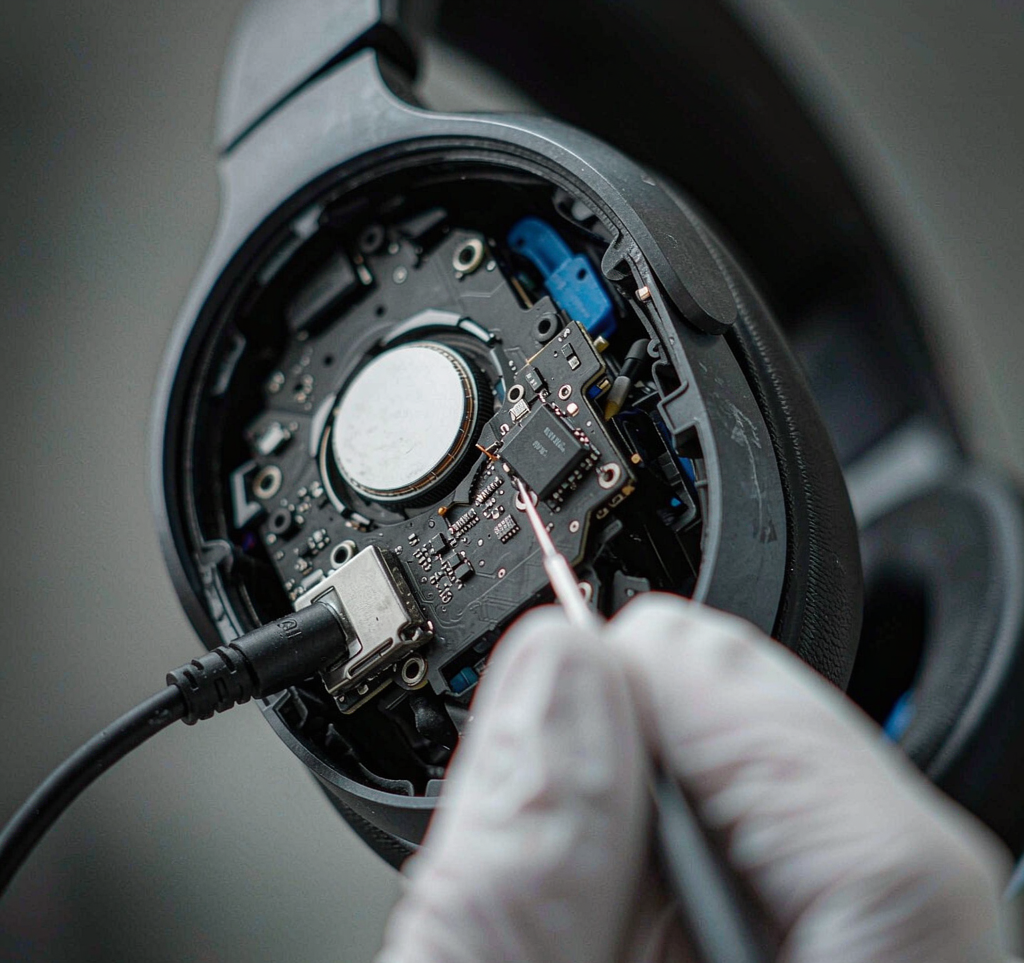
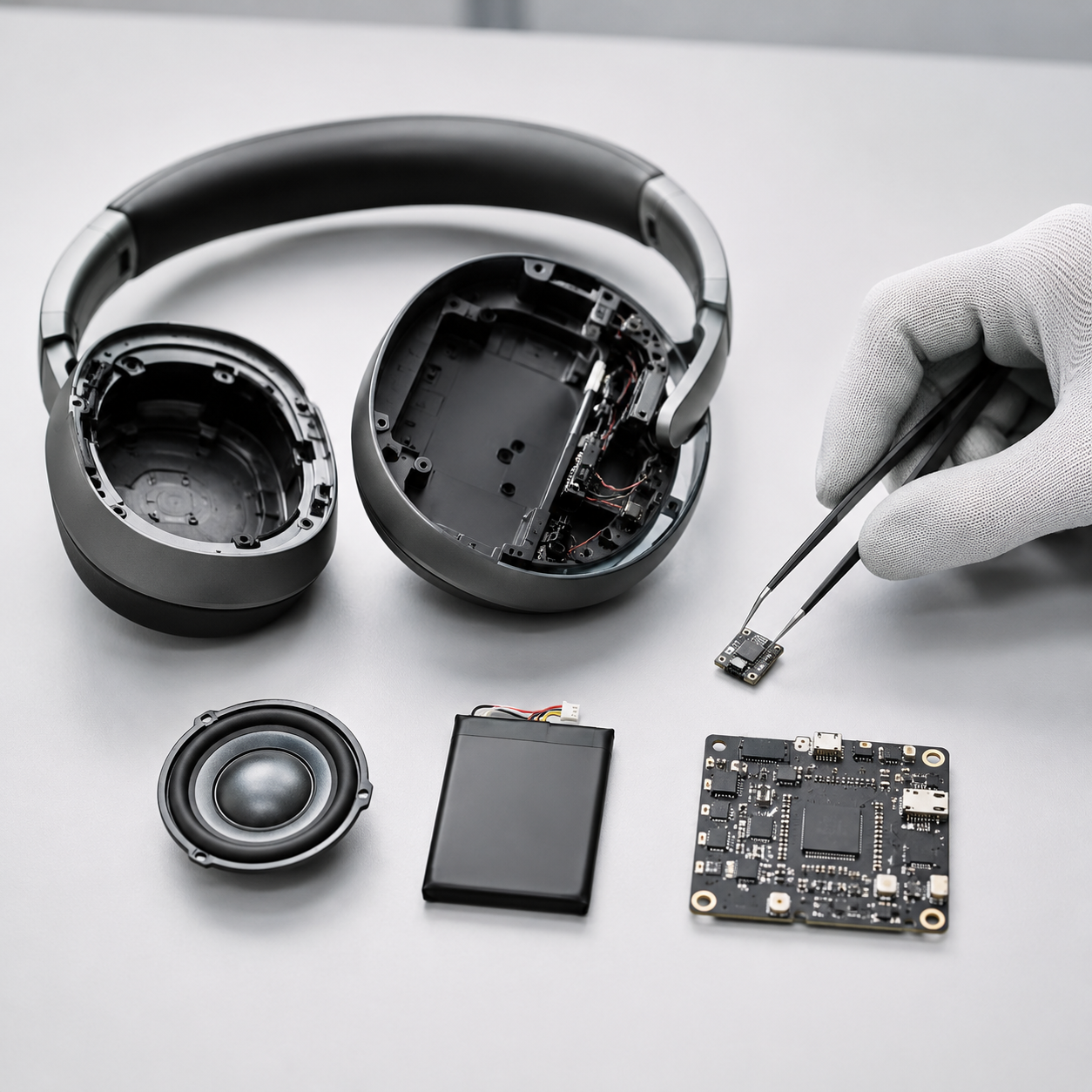
The same problem happens with batteries, speakers, PCB design, charging cases, headband materials, and ear cushion quality. If the quote only lists selling points, the buyer still does not know whether the factory is quoting the same technical level.
The Lowest Quote May Have Removed Something
A lower price is not automatically wrong. Sometimes a factory has better supply-chain control or a more mature production model. The problem starts when the lower price is achieved by removing details the buyer did not ask about.
A quote can become cheaper if the battery capacity is lower, the packaging material is thinner, the microphone performance is weaker, or the testing standard is simpler. None of these changes may look dramatic during the first email exchange.
The risk usually appears later. The sample feels acceptable, but the mass-production batch has unstable battery life. The product looks fine, but the packaging does not match the channel requirement. The first order ships, but the buyer later discovers that the certification file does not cover the exact model being sold.
That is why a good quotation comparison should look beyond the unit price.
What Buyers Should Compare First
A useful OEM headphone quote should help the buyer understand both product cost and production risk. If two suppliers quote the same headline specification, ask them to explain the details behind it.
| Quote item | What buyers should check | Why it matters |
|---|---|---|
| Bluetooth solution | Chip platform, version, stability, supported features | It affects connection quality, cost, and long-term supply stability. |
| Battery and charging | Battery capacity, charging case design, protection solution | It affects real use time, safety perception, and return risk. |
| Microphone and noise reduction | Microphone quantity, ENC or ANC scope, test scenario | It affects call quality and whether the feature matches the selling point. |
| Speaker and acoustic tuning | Driver size, tuning direction, sample test method | It affects sound consistency between sample and mass production. |
| Materials and structure | Housing, headband, ear cushions, hinge or charging case details | It affects durability, comfort feedback, and perceived product value. |
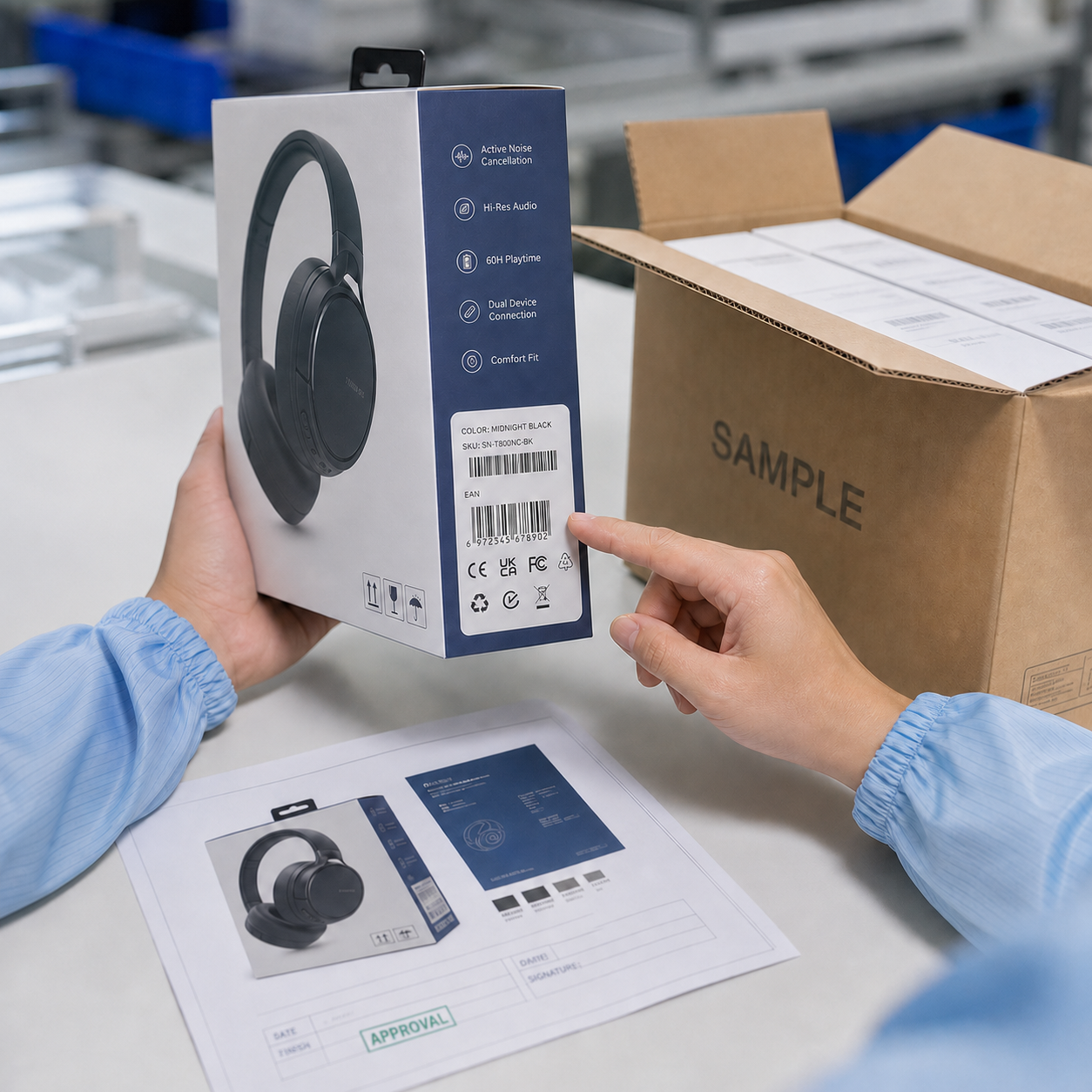
| Packaging and documents | Box material, manual, label, barcode, certification files | It affects retail readiness, channel approval, and import preparation. |
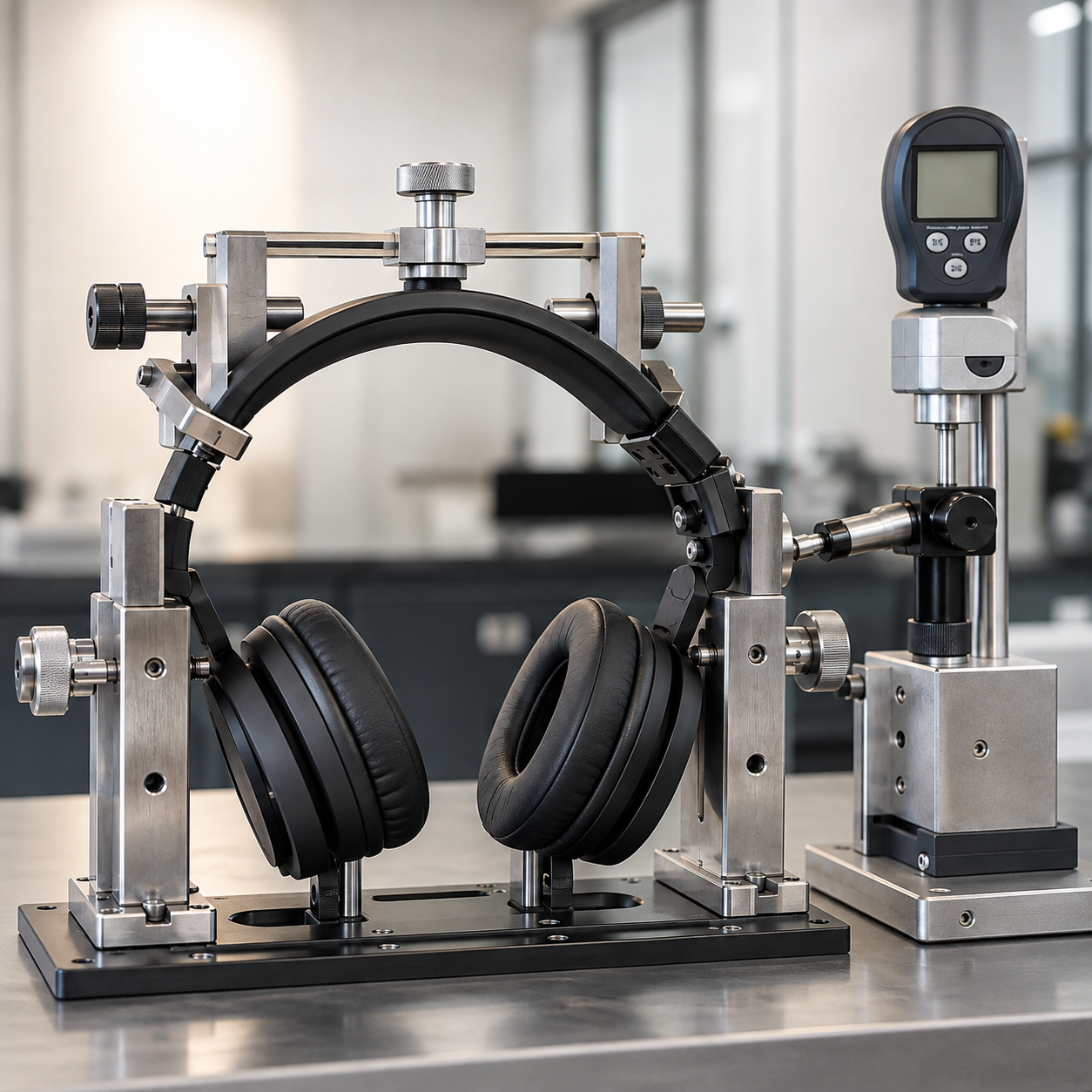
| Quality control | Incoming inspection, production testing, final inspection standard | It affects defect rate and whether problems can be caught before shipment. |
This table does not mean every buyer needs the highest configuration. It means the buyer should know what is being quoted before comparing prices.
Ask About the Parts Buyers Cannot See
Some differences are easy to see. A buyer can compare the shell, color, logo position, and packaging design from photos or samples.
The harder part is what the buyer cannot see immediately.
A cheaper Bluetooth headphone quote may use a different chip platform. A lower TWS quote may use a more basic battery cell. A gaming headset quote may look competitive, but the microphone boom, cable, or low-latency solution may not match the buyer’s target market.
These hidden differences are not always bad. For entry-level channels, a simplified solution may be exactly what the buyer needs. But the factory should say it clearly. A serious supplier should be able to explain where the price was reduced and what trade-off the buyer is accepting.
Compare Samples Under the Same Conditions
A sample test is only useful when both samples are tested in the same way.
If one factory sends a tuned sample with better packaging and the other sends a rough engineering sample, the comparison is unfair. If one sample is tested in a quiet office and the other is tested during a video call in a noisy room, the buyer may judge the wrong thing.
Before choosing between two quotes, buyers should confirm the test conditions: listening scenario, call environment, charging cycle, Bluetooth connection distance, comfort test time, and packaging review standard.
The goal is not to make the process complicated. The goal is to avoid choosing a supplier based on a sample impression that cannot be repeated in mass production.
Certification Files Need More Attention
For export buyers, certification is not just a line in the quotation.
A supplier may say CE, FCC, or RoHS is available. The buyer still needs to confirm whether the documents match the exact model, configuration, market, and packaging claim. If the product changes battery, wireless module, charger interface, or important materials, the old file may not be enough.
This is especially important for buyers selling through retail channels, online marketplaces, or distributors. A low unit price can lose its advantage quickly if the buyer later has to redo tests, change labels, delay shipment, or explain missing documents to a channel partner.
A Good Factory Explains the Price Difference
When two OEM headphone quotes look similar, a reliable factory should not only say “our quality is better.” That answer is too vague.
A better answer sounds more like this: this quote uses a more stable chip solution; this battery option supports the buyer’s target use time; this packaging structure is stronger for retail shipment; this certification file is suitable for the target market; this testing step is included before shipment.
That kind of explanation helps the buyer make a business decision. Maybe the buyer still chooses the lower-cost option. Maybe the buyer pays more for a safer configuration. Either way, the decision is clearer.
The Real Question Is Not Price
Price matters. Every buyer has a target cost, and every private-label project needs a margin.
But in OEM headphone sourcing, the real question is not whether one quote is cheaper. The real question is whether the quote matches the buyer’s product positioning, sales channel, certification needs, and quality expectations.
If two quotes look the same, do not compare only the final number. Compare what is included, what is optional, what is unconfirmed, and what may create risk after sampling or mass production.
For buyers developing Bluetooth headphones, ANC earbuds, gaming headsets, or customized audio products, a clear quote comparison can prevent the most expensive mistake: choosing a supplier before understanding what was actually quoted.
Sonun works with overseas brands, importers, and private-label buyers on OEM and ODM headphone projects. If you are comparing headphone quotations or preparing a new RFQ, you can send the target product direction, market, quantity, and customization needs to our team for a more accurate configuration review.