


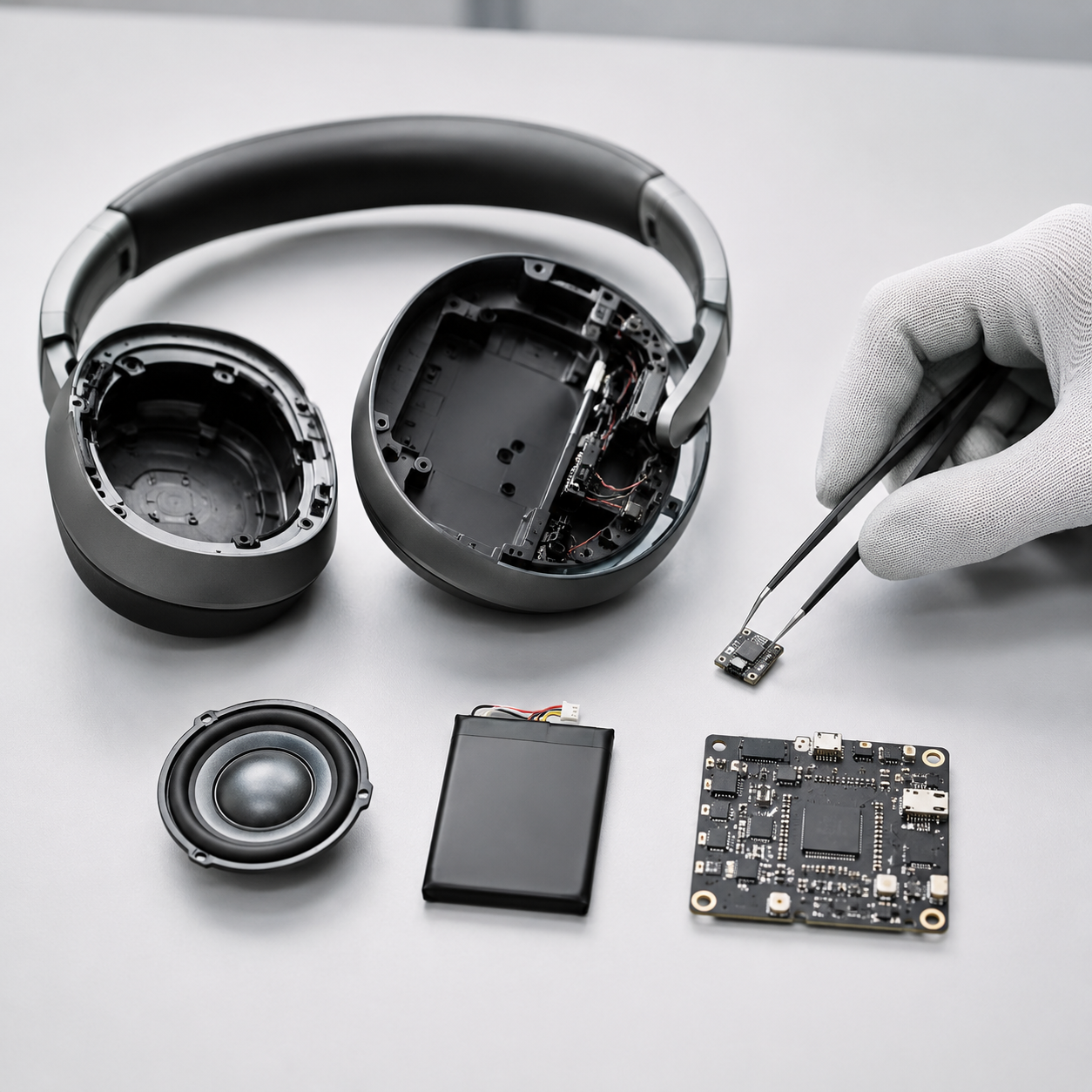
How to Avoid Costly Mistakes Before Making a New Headphone Mold
A Product Image Cannot Approve a Mold
A product image shows how a headphone should look. It does not show whether the driver fits inside the earcup or whether the earcup can connect to the headband.
This difference matters because a new mold creates a real physical part. The new part must hold the internal components, connect to the other housing parts, and allow workers to assemble the headphone.
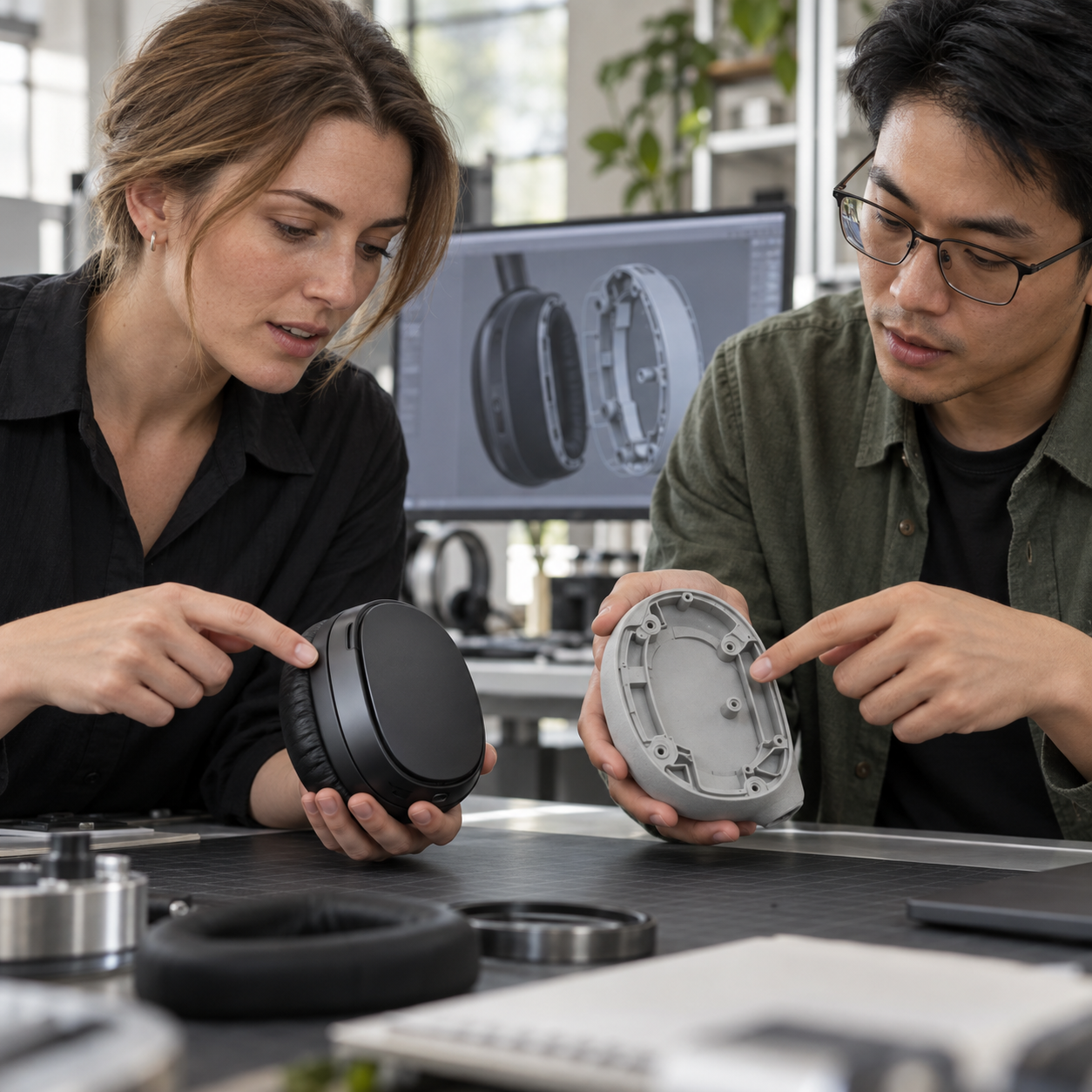
Before approving a mold, the buyer should ask for an engineering drawing. This drawing should show the part dimensions and connection points. It should also match the components planned for the final product.
Approve the mold from a checked engineering design, not from an appearance image.
Define the Exact Part Before Tooling Starts
A request for a “fully customized headphone” is too broad. It does not tell the factory which parts need new molds.
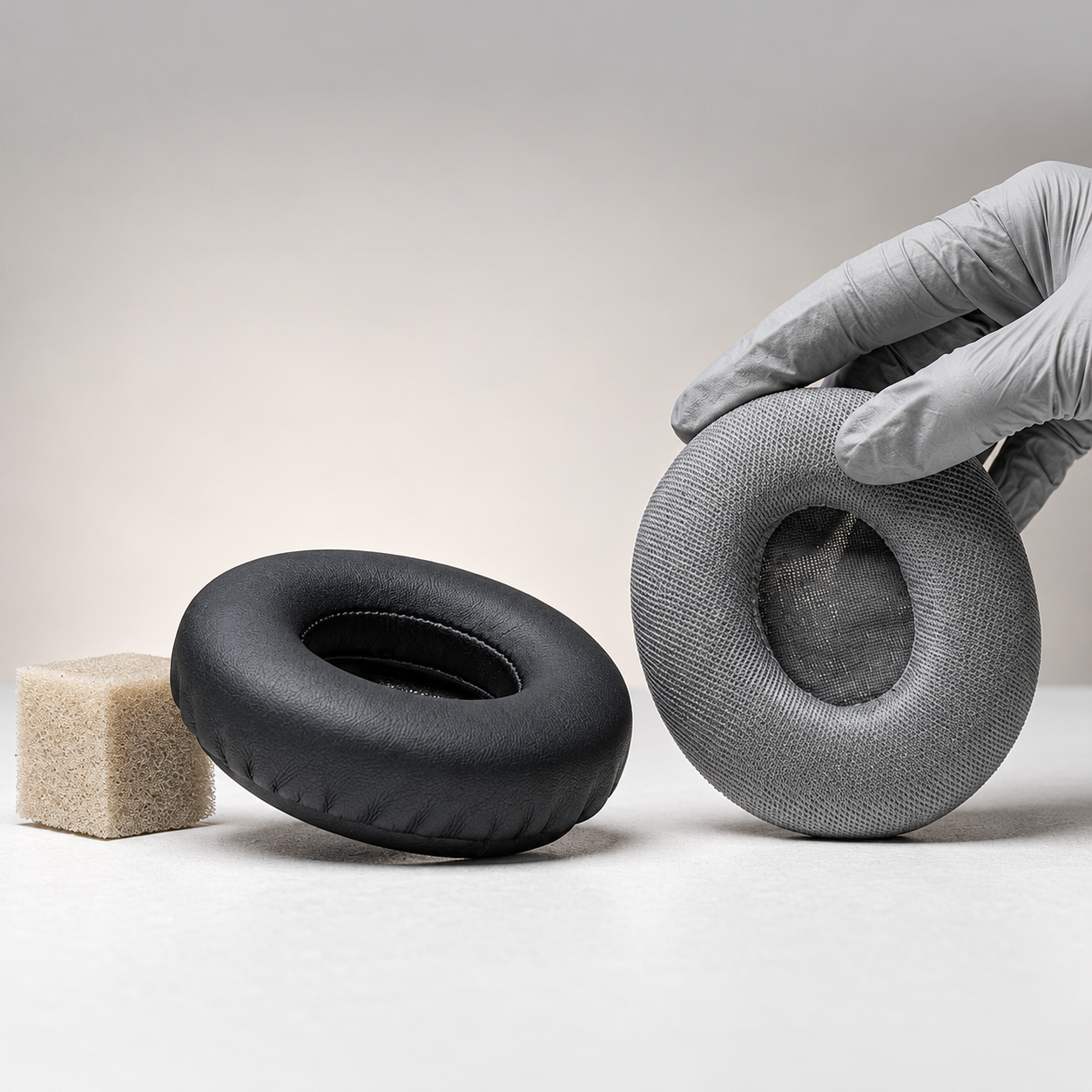
The buyer should mark every part that must change. For example, the project may need a new earcup cover but keep the original headband. Another project may keep the earcup and change only the hinge.
This part-by-part review prevents the project from becoming larger than necessary. It also gives the buyer a clearer quotation because the factory can separate new molded parts from parts that already exist.
Each new part should have a clear purpose. The buyer should be able to explain what the existing part cannot do and what the new design must achieve.
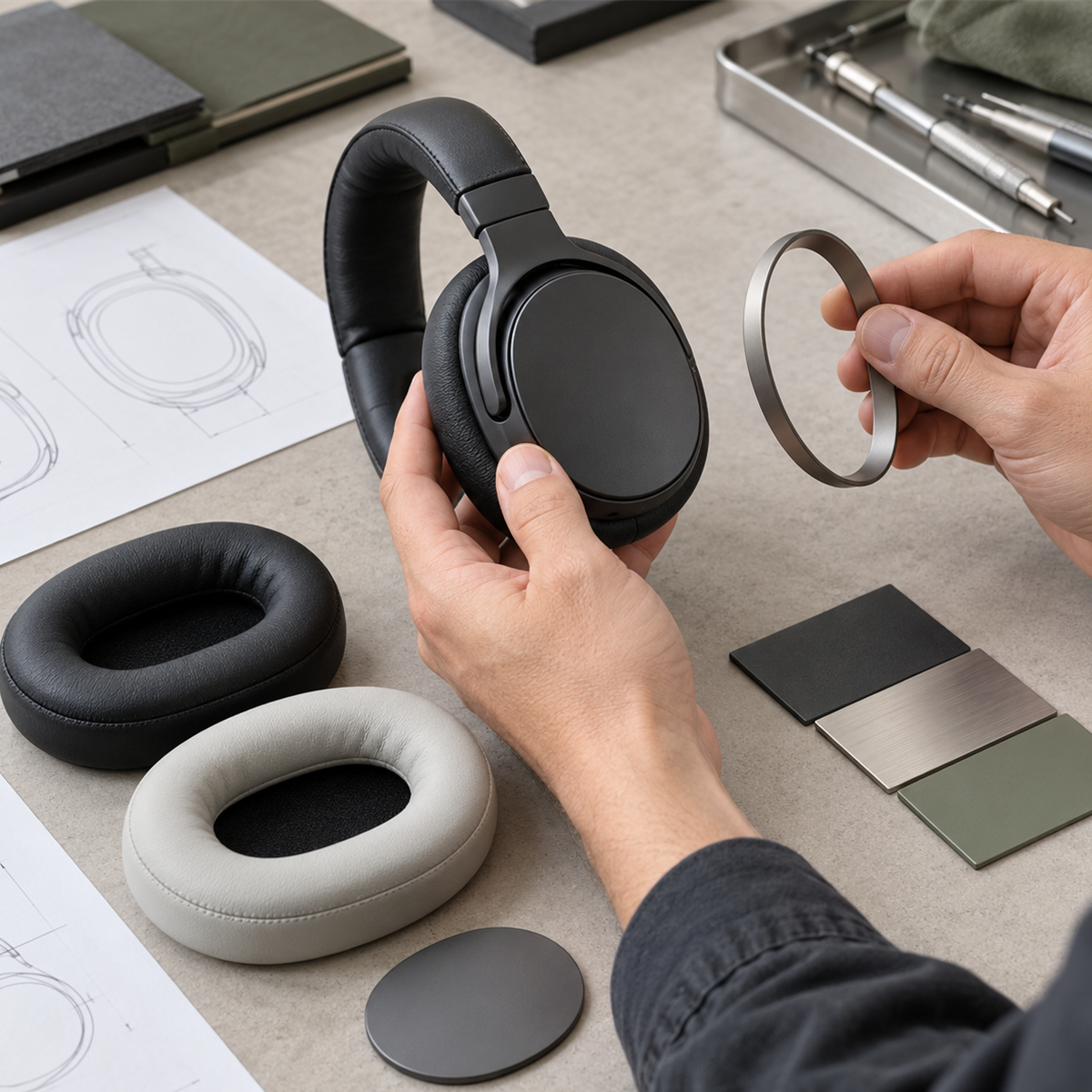
Check the Parts Hidden Inside the Housing
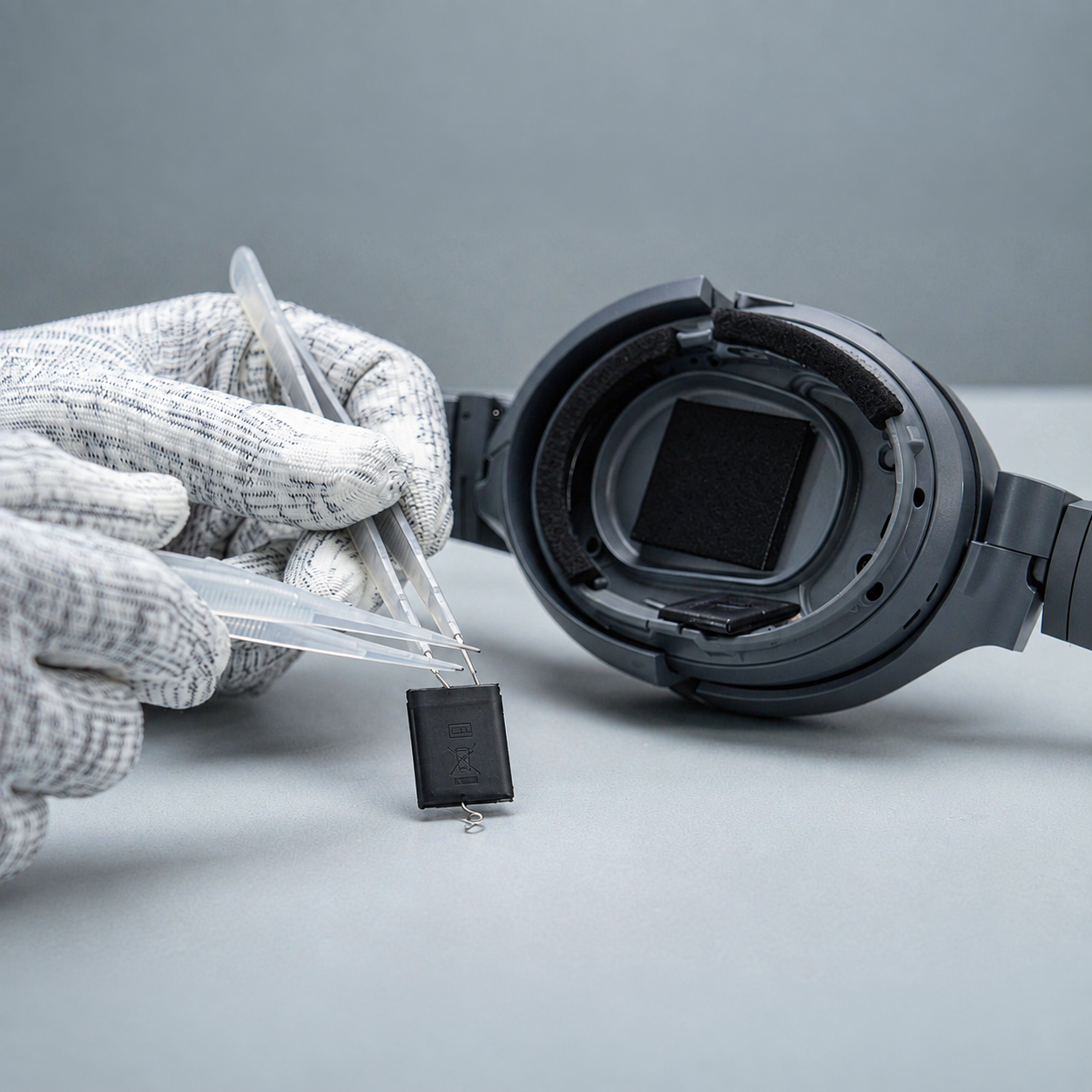
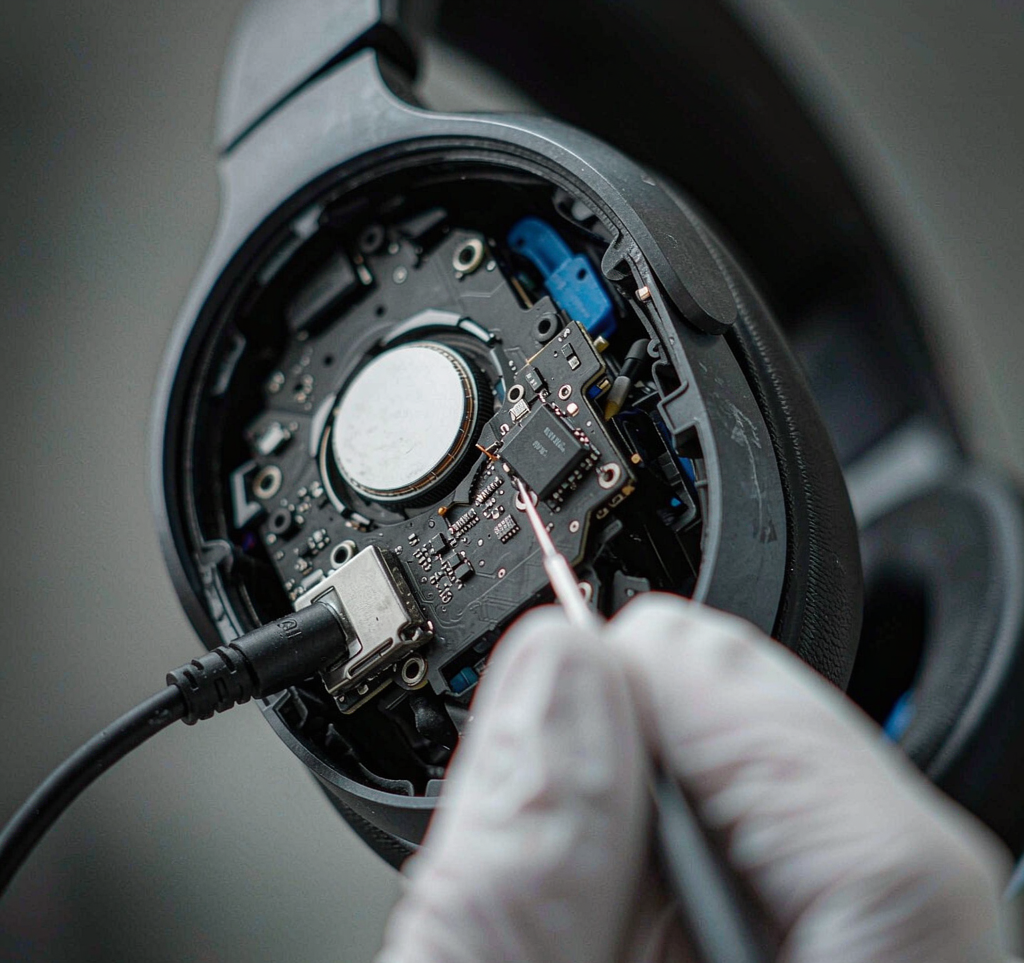
The outside shape is only one part of the design. The housing also needs enough room for the driver, battery, circuit board, and wiring.
The factory should place the planned components into the design before mold production starts. If a component does not fit, the drawing should change first. Making the mold and checking the space later creates avoidable correction work.
Component space also affects assembly. Workers need room to place the wires and close the housing without pressing or damaging the parts inside.
The buyer does not need to design the internal layout. However, the buyer should ask the factory to confirm that the planned components fit before approving the tooling drawing.
Approve Every Connection Before Making the Mold
A new earcup does not work by itself. It must connect correctly to the headband, hinge, buttons, and other housing parts.
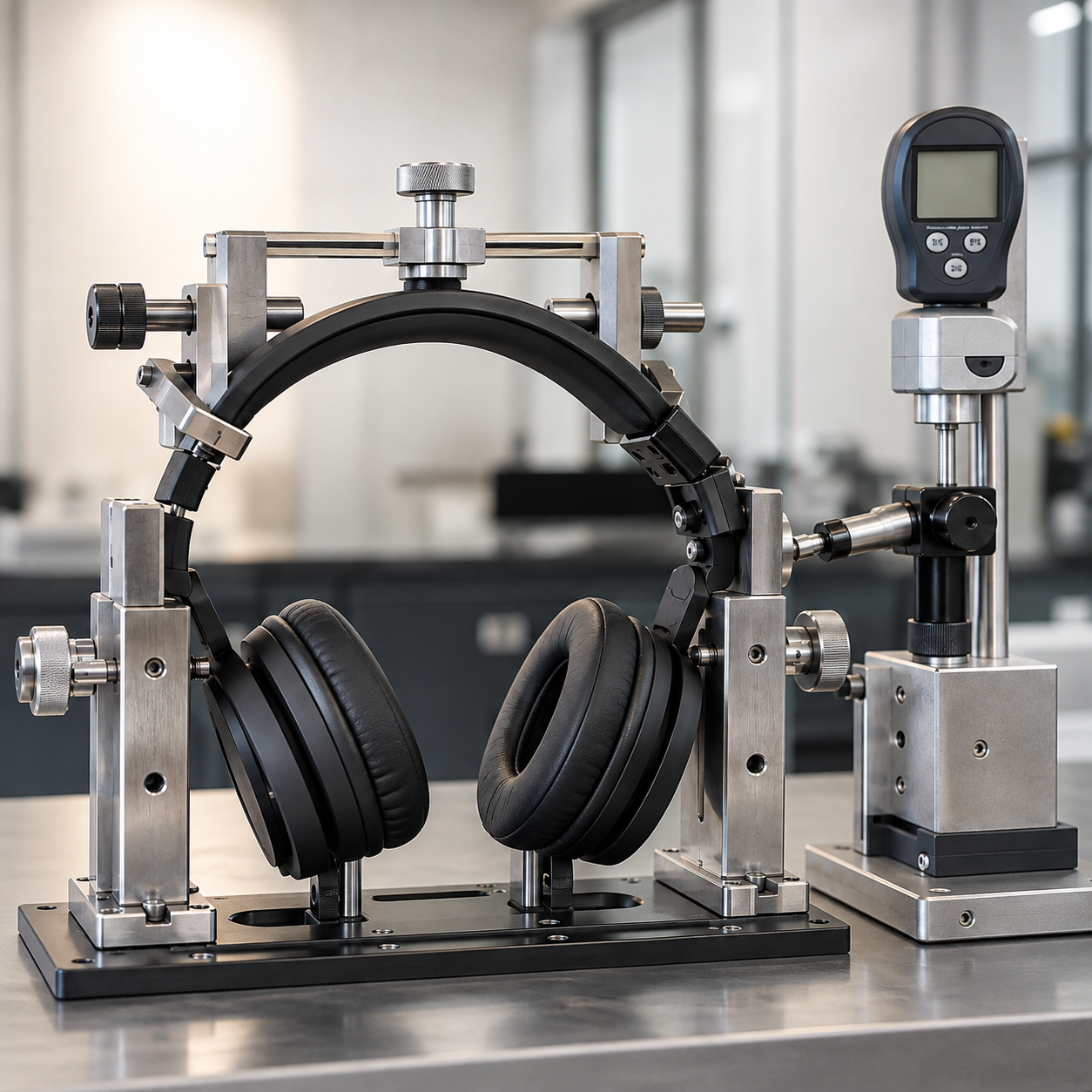
The factory should check the screw holes and clips before making the mold. The factory should also confirm that moving parts have enough space to open, close, or rotate as planned.
If the new housing changes the position of a button or charging port, the matching internal parts must move with it. These details should be shown in the engineering drawing.
The buyer should approve the drawing only after the factory confirms these connections. A good-looking drawing is not ready for tooling when the parts still cannot fit together.
Use the First Molded Samples to Find Real Problems
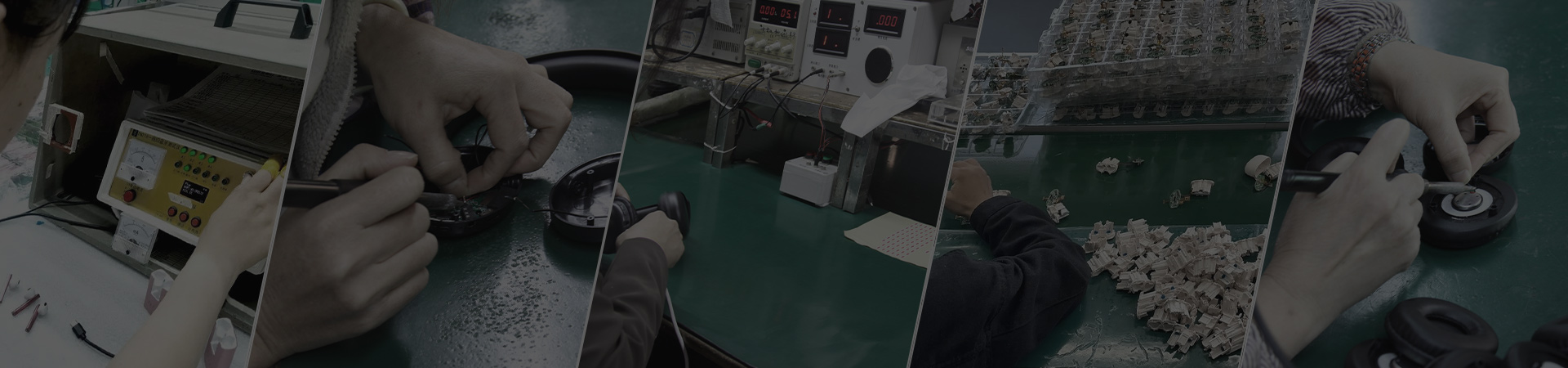
After the mold is made, the factory produces the first molded parts. These samples show whether the real plastic part matches the approved drawing.
Start by checking the basic shape and surface. Then assemble the new part with the planned headphone components. A part can look correct on the table but still fail during assembly.
The first molded samples should answer practical questions. Does the part fit without force? Do the screw holes line up? Can the buttons move freely? Can the housing close without pressing the wires?
If the new part changes the space around the antenna or speaker, the affected headphone functions should also be tested. The factory should not judge a new housing only by its appearance.
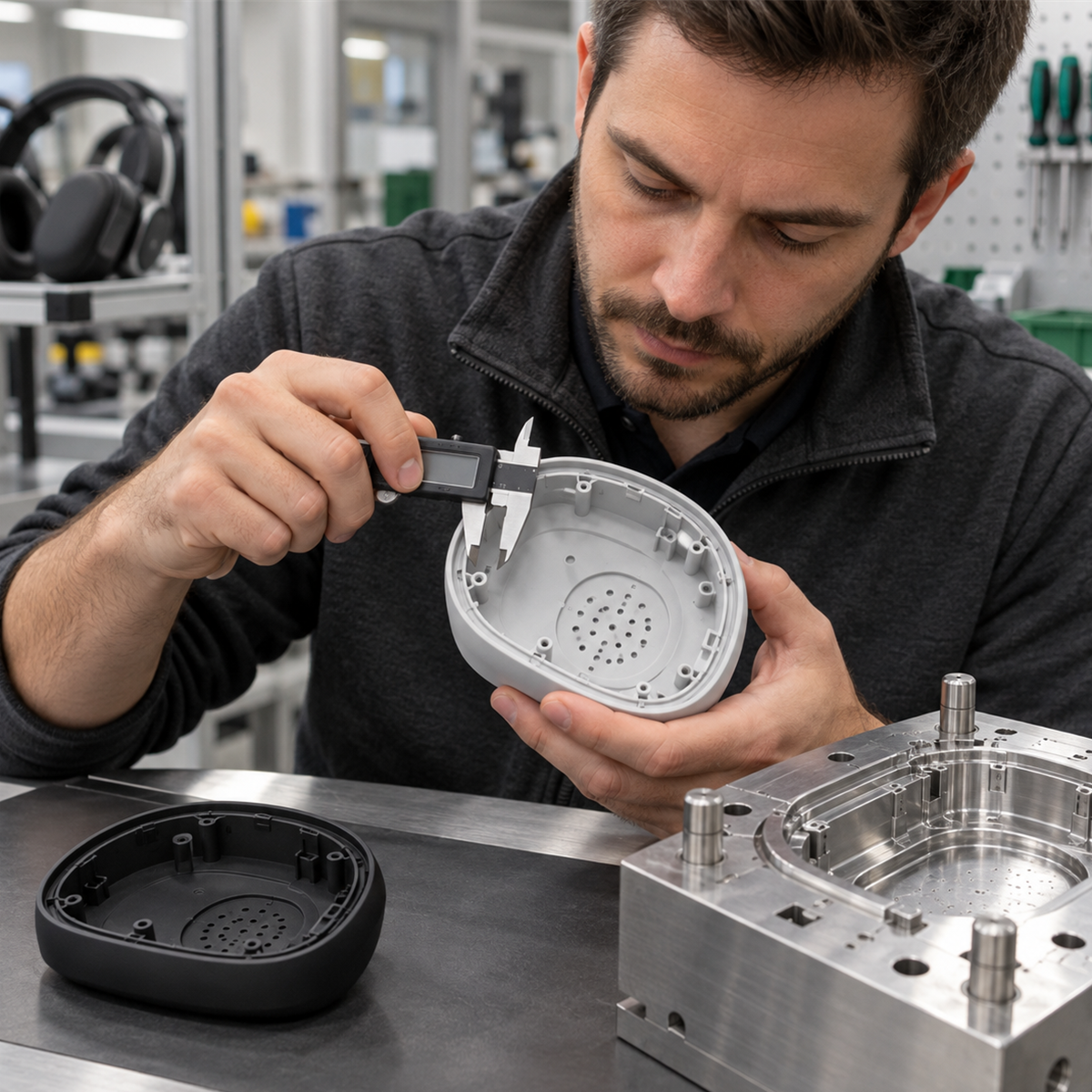
Correct Problems Before the Pilot Run
A failed molded sample is not ready for pilot production. The factory should first identify whether the problem comes from the part design, the mold, or the assembly method.
The correction should be recorded. The record should state what problem was found, what was changed, and which new sample confirmed the result. This prevents the buyer and factory from reviewing different versions of the part.
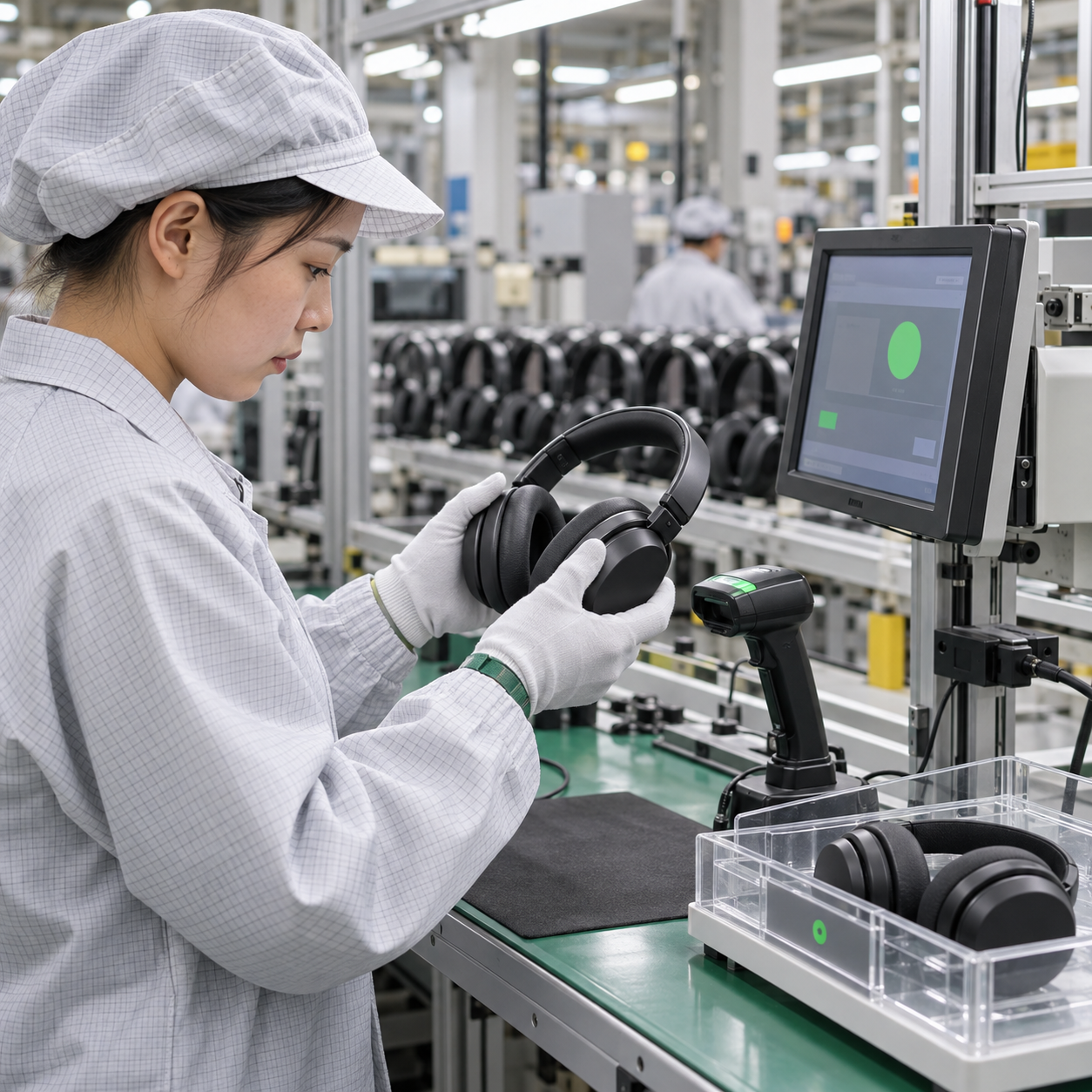
After the corrected molded samples pass inspection, the factory can prepare a pilot run. A pilot run uses the planned production materials and assembly method to make a small number of complete headphones.
The purpose is to check whether the product can be assembled repeatedly under real production conditions. It is not a replacement for the molded-part checks that should already be complete.
Ask for Evidence at Each Approval Point
Buyers do not need to control every engineering task inside the factory. They do need clear evidence before approving the next stage.
- Before mold production approve the part scope and engineering drawing.
- After the mold is ready review the first molded parts and their assembly result.
- After a mold correction confirm the updated part version and the new sample.
- Before mass production review the pilot run result and the final approved sample.
These approval points keep decisions in the correct order. A check that is meant to prevent a mold mistake must happen before the mold is made. A check that is meant to prevent production problems must happen before the full order begins.
Keep the Quotation Easy to Compare
A mold quotation should not be mixed into one total product price. Buyers should be able to see the mold cost and the unit price separately.
The quotation should identify which part each mold will produce. It should also show which existing parts will stay in the project. This makes it easier to compare a complete redesign with a project that changes only selected parts.
Before approving the quotation, ask what is included in the mold work. Also ask how mold corrections will be reviewed if the first molded samples do not match the approved drawing.
A successful custom headphone project does not begin with mold production. It begins with a clear part scope, a checked engineering drawing, and approval points that stop problems before they move forward.
When discussing a custom headphone project with Sonun Audio, buyers can share their reference images and mark the parts that must change. The next step is to review which parts need new molds and what must be confirmed before tooling begins.