




What does OEM mean for headphones?
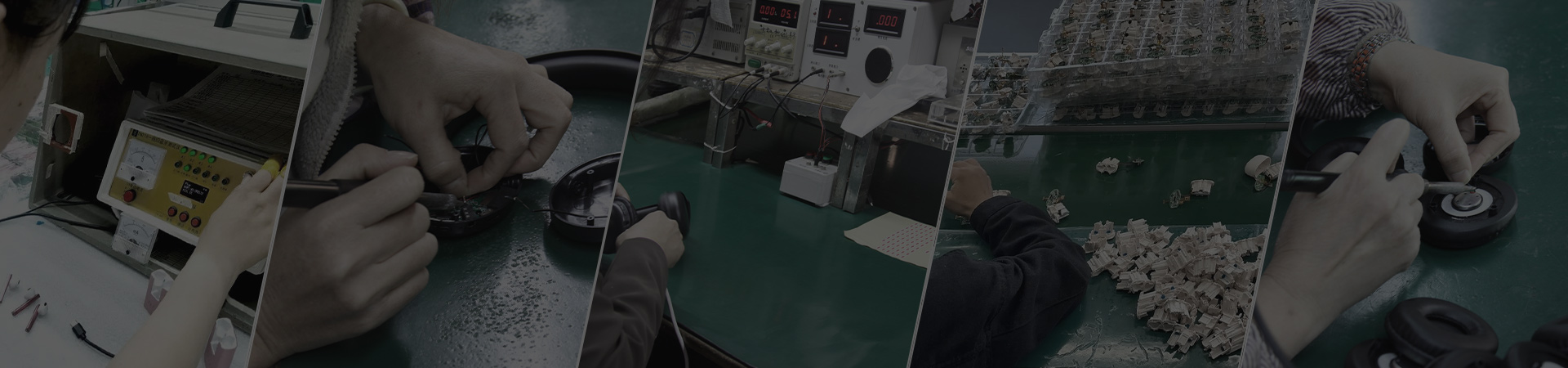
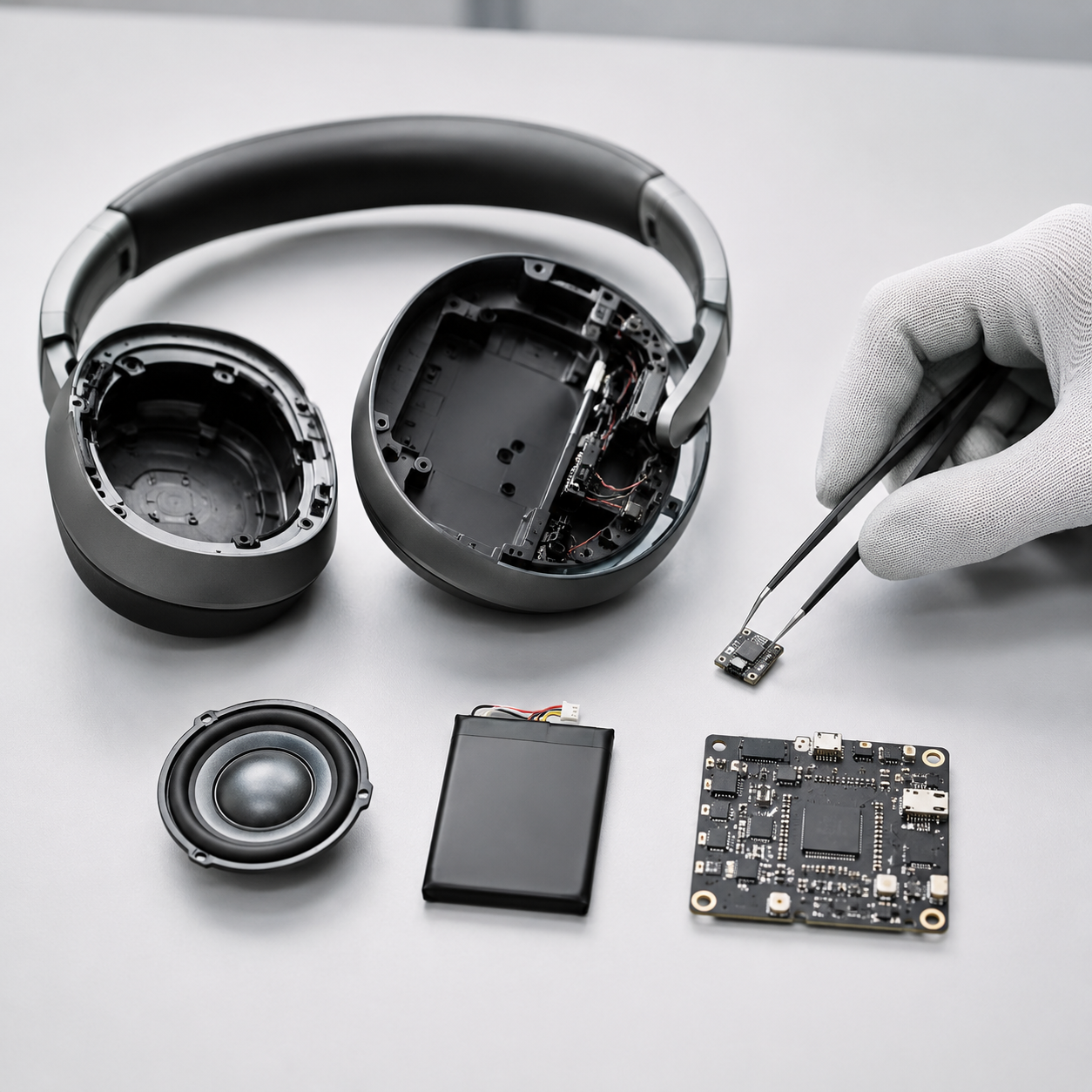
In the process of selecting headphones or Bluetooth devices, consumers often come into contact with the term "OEM". The so-called OEM, short for "Original Equipment Manufacturer", refers to factories that do not directly sell end products but focus on providing hardware manufacturing services for other brands. These enterprises mainly undertake the component production of electronic products, such as the manufacturing of parts required for laptops, tablets, smartphones, TVs and vehicles. The finished products are finally labeled or customized by brand owners before being launched into the market.
For budget-oriented consumers, OEM headphones become one of the alternative options due to their price advantage. If you are considering such products, you can read this article to understand their operation mode and core attributes.
- Basic Information About OEM Headphones
In the headphone manufacturing process, brands do not necessarily take on production tasks themselves. For many mainstream mobile phone manufacturers, headphone devices are usually produced by third-party manufacturing enterprises—and such entities that undertake OEM (Original Equipment Manufacturer) duties fall into the category of OEMs.
Since OEM products do not bear brand premiums or involve multi-level distribution structures, they often have a significant advantage in terms of end-user pricing. However, some merchants attempt to use the "OEM" label for marketing purposes: taking advantage of consumers’ lack of ability to judge technical standards, they gain extra profits while keeping product quality opaque.
- Do OEM Headphones Qualify as Counterfeit Products?
Using the trademarks of mainstream brands on unauthorized OEM headphones constitutes counterfeiting, which is legally defined as an infringement of intellectual property rights. If such products do not use any brand logos and are sold to the market only in a neutral form, they do not qualify as counterfeits—and their performance may be close to that of original equipment.
It is important to be vigilant: some low-quality headphone products are packaged and sold as "equivalents of OEM products" to avoid the negative market perception associated with the "low-cost" label. This practice can easily mislead users’ perceptions of product quality, so extra care should be taken to identify and distinguish such products when purchasing.
- Do OEM Headphones Have the Same Performance as Branded Original Headphones?
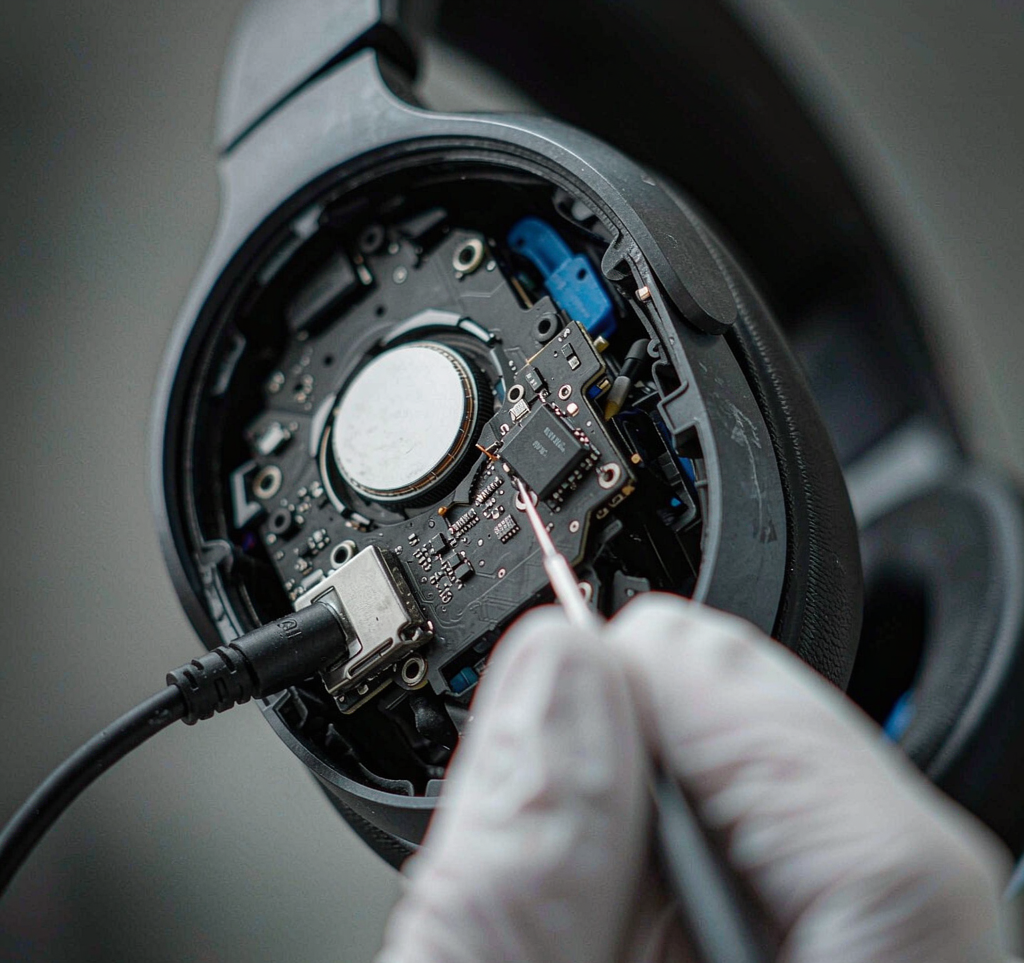
Differences in technical parameters determine whether product performance is consistent. If an OEM headphone’s configuration completely replicates the brand’s original model, its performance will be on par with the original. However, in reality, most OEM headphones have certain gaps in hardware specifications compared to branded original headphones. Therefore, consumers must carefully compare parameter details during the selection process to determine whether the product meets their expected performance requirements.
Most OEM Production of Bluetooth Headphones and TWS Earbuds Takes Place in Factories in China or India
The production of most Bluetooth headphones and True Wireless Stereo (TWS) earbuds is often carried out by OEM factories located in China or India. In addition to providing OEM services for well-known global consumer electronics brands, these manufacturers also directly supply bulk quantities of their own product models, including headphones with active noise cancellation (ANC) and various wireless devices.
Most mainstream headphone brands on the market have derivative OEM models. Whether a brand offers a corresponding OEM alternative can usually be confirmed by consulting upstream suppliers.
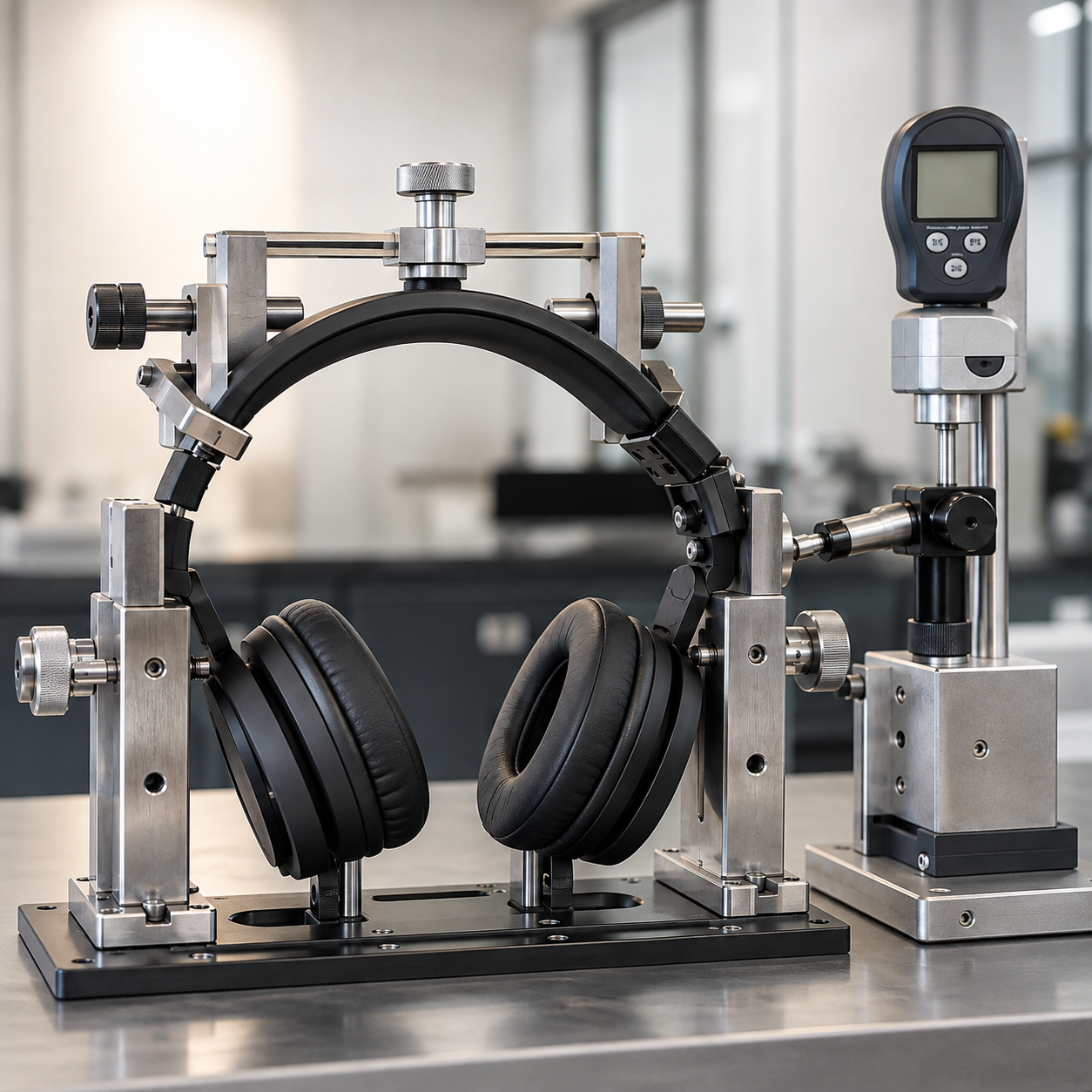
Regarding the quality of finished products, the technical level and manufacturing standards achieved by OEM headphones vary depending on the craftsmanship capabilities of the OEM factory. In some cases, the performance of such products can be close to that of original brand models, which are significantly more expensive.
Brands that commonly have corresponding OEM products include, but are not limited to: Beats, Apple, Huawei, Bose, Creative, Samsung, Xiaomi, LG, and JBL.
Key Features and Application Scenarios of OEM Headphones
Due to their lower cost compared to genuine branded products, OEM headphones are widely regarded as an economical choice in the market. Although some of their technical indicators may be lower than those of original models, their overall functional performance remains at an acceptable level and can meet regular usage needs.
Unlike counterfeit products, OEM products—when not using any brand trademarks—are legally produced general-purpose devices and have no direct connection to "knockoffs" or counterfeits.
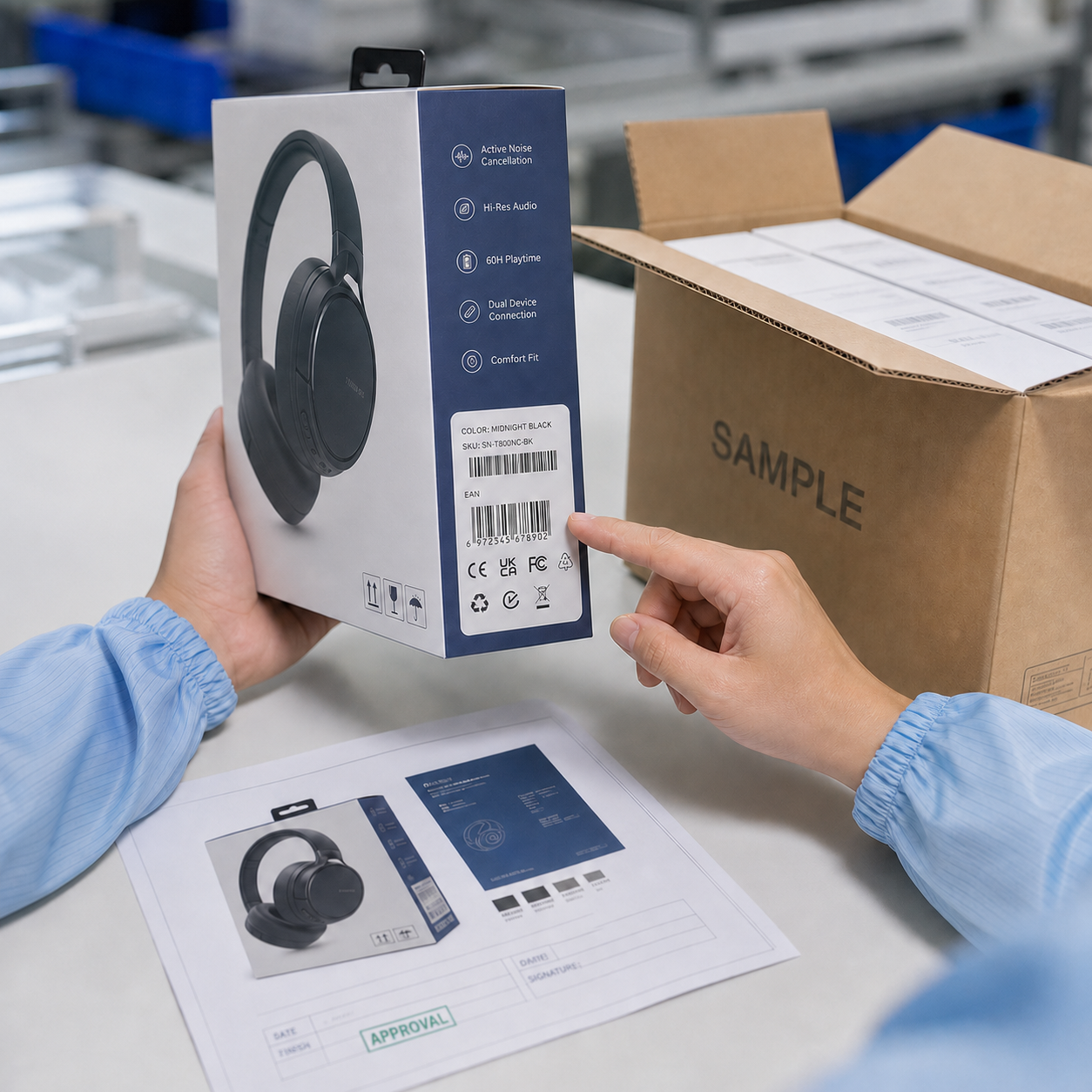
For price-sensitive customer groups, OEM headphones are suitable for sale through distribution or retail channels. Meanwhile, their appearance, logos, packaging, and other elements can be customized according to the brand’s needs, providing flexibility for bulk purchases or market operations.
Key Evaluation Criteria for Choosing OEM Headphones
(1) Sound Output Quality
Audio performance is the primary criterion for judging headphone quality. When testing sound, it is recommended to use pure instrumental music to evaluate mid-to-high frequency performance. For users who prefer heavy bass, focus on the diameter of the driver unit, as it has a positive correlation with low-frequency performance.
(2) Ergonomics and Wearing Comfort
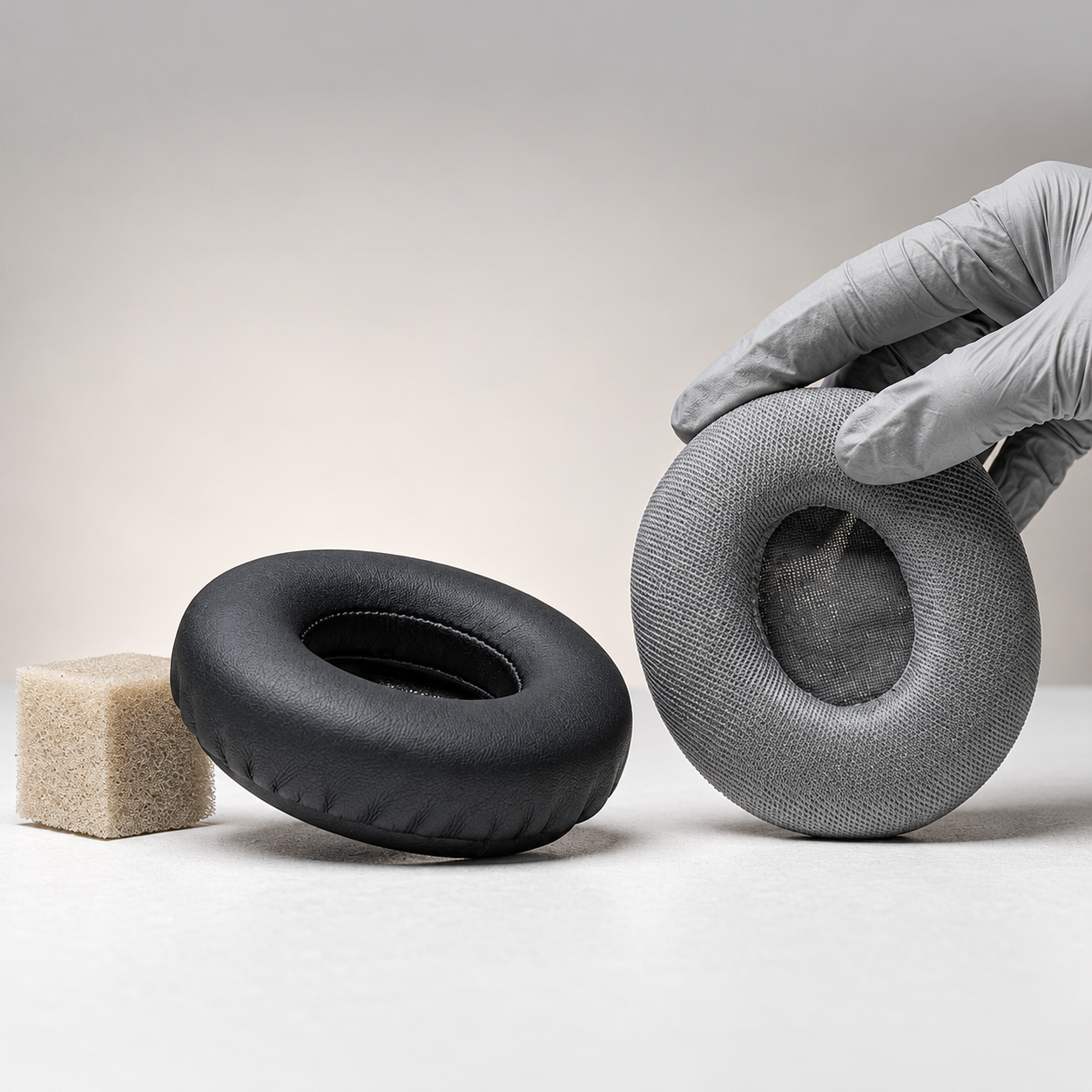
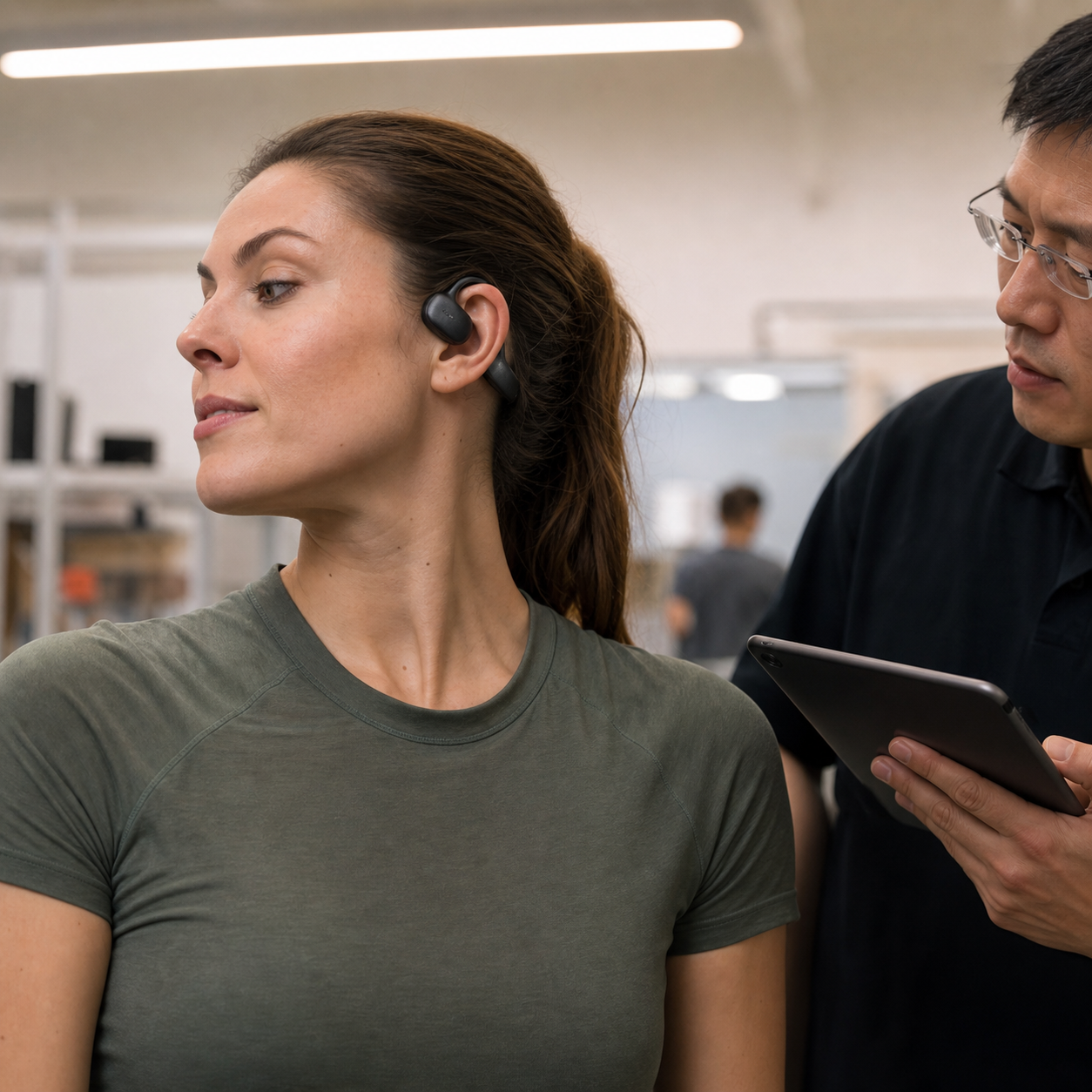
Headphones may feel comfortable during short-term use, but if their structural design is unreasonable, prolonged wear may cause discomfort. In terms of materials, earcups with fabric or artificial leather covers are recommended; larger-sized designs generally offer better fit and pressure relief. For in-ear products, the size of the ear tips and the shape of the earbud cavity should fit the user’s ear canal to avoid a foreign body sensation or slipping.
(3) Price Range Selection
Under budget constraints, OEM products can serve as a cost-effective alternative. Although their overall performance may not match that of high-end models, they offer relatively good value for money. It is recommended to refer to other users’ reviews or third-party evaluations as supplementary judgment basis.
(4) Product Form Category
Consumers need to clarify their preferred type: traditional wired headphones or wireless devices with Bluetooth functionality. Wireless versions have the advantage of convenience, as they avoid the hassle of tangled wires. For wired products, the purity of the wire conductor material (e.g., high-purity copper) also affects sound quality output.
(5) Structural Portability
For users who frequently go out or commute, it is advisable to prioritize lightweight models that are easy to carry, or choose headphones with a foldable structure to reduce space occupation.
(6) Product Lifespan Performance
Low-cost headphones often have a short service life. Therefore, durability should be included in the evaluation scope when making purchasing decisions. From the perspective of long-term investment, choosing models with solid craftsmanship and reliable materials offers better cost-effectiveness.
Conclusion
In the current sales environment of online platforms (such as eBay, Amazon, Shopify, etc.), the number of headphones disguised as OEM products or counterfeited as genuine brand products has increased significantly. Therefore, both retailers and end consumers should prioritize purchasing from reputable OEM manufacturers to avoid quality and compliance issues.