






Component Change Rules for Headphone OEM Orders
Many headphone buyers try to control component changes after a replacement has already been proposed. At that point, the order schedule is under pressure and the original part is often difficult to obtain.
A better approach is to define the change rules during RFQ, sample development and purchase-order confirmation.
The goal is not to prevent every supplier adjustment. The goal is to decide which changes require buyer approval before production continues.
Set Rules Before the Order
An approved sample confirms one product configuration, but it does not explain how future substitutions should be handled.
The buyer and manufacturer should agree on three points before mass production. They need to define which parts are controlled, what information triggers a review and who has final approval authority.
These rules can be recorded in the product specification, sample approval document or purchase order. They do not need to become a complicated contract. They only need to remove uncertainty when a component change appears.
Without written rules, the manufacturer can treat a replacement as an equivalent material while the buyer treats it as a new product configuration. That difference creates disputes at the worst possible time.
Define Controlled Components
Do not freeze every screw, adhesive or packaging accessory. This creates unnecessary approval work and slows down routine production.
Focus on components that control the product’s identity, performance or compliance position.
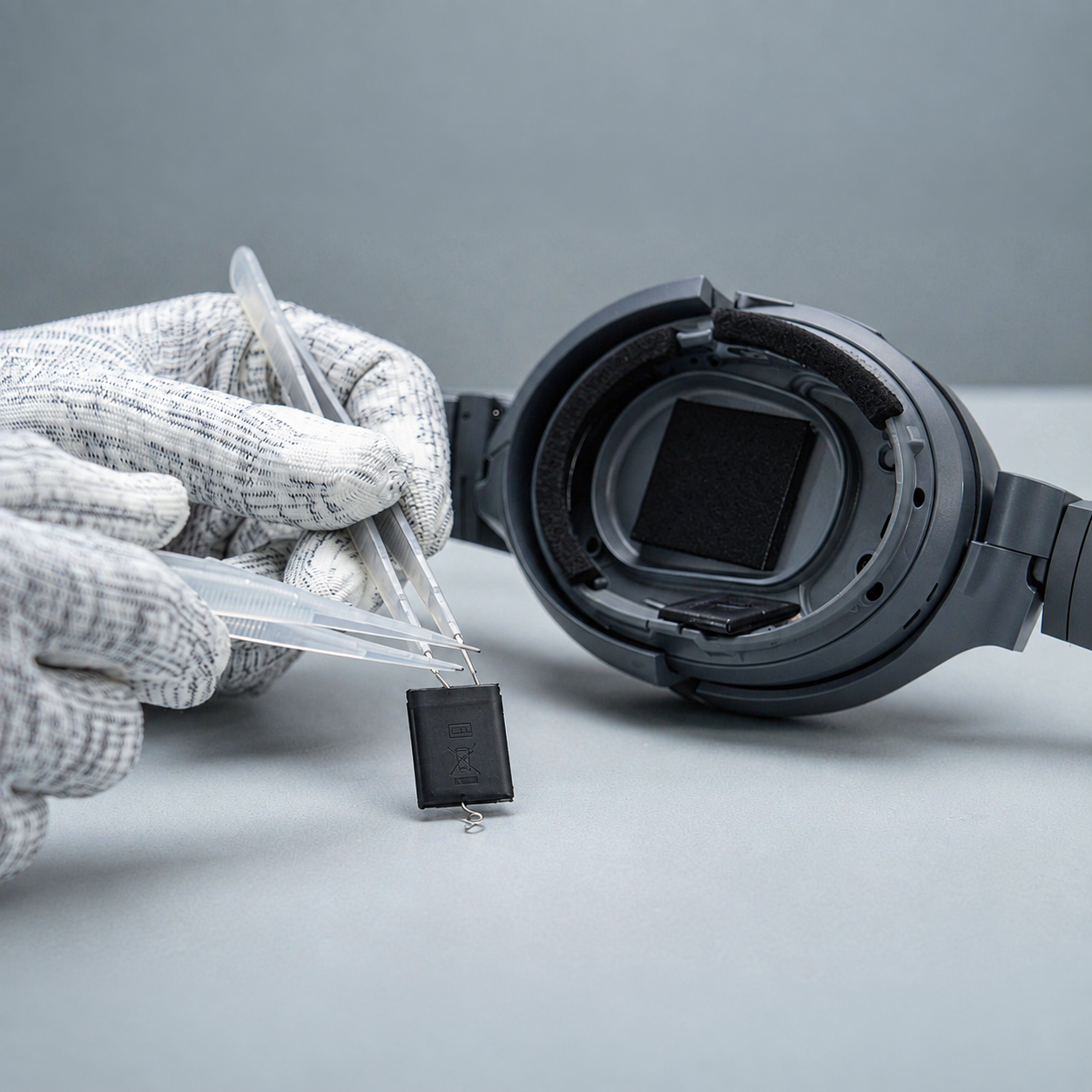
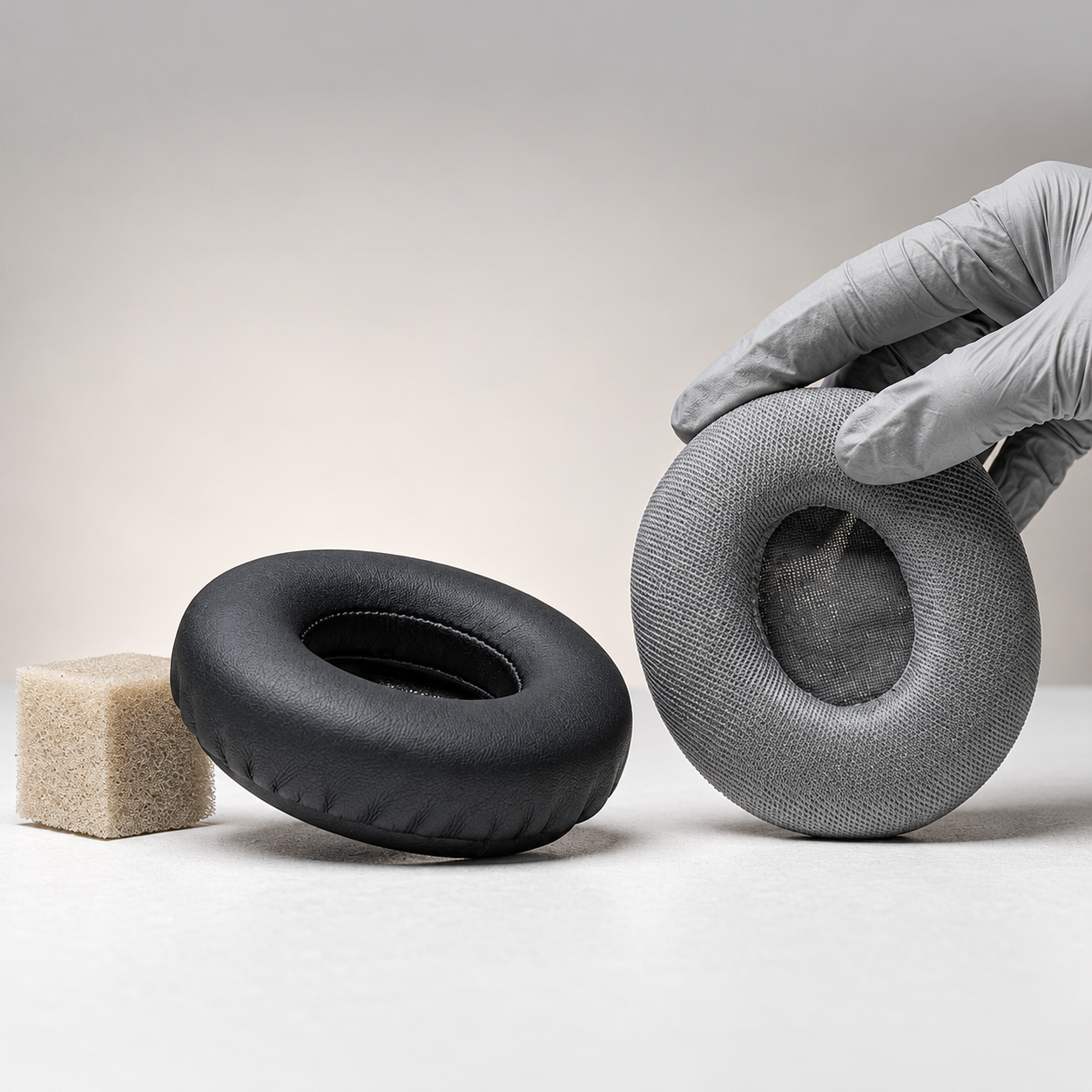
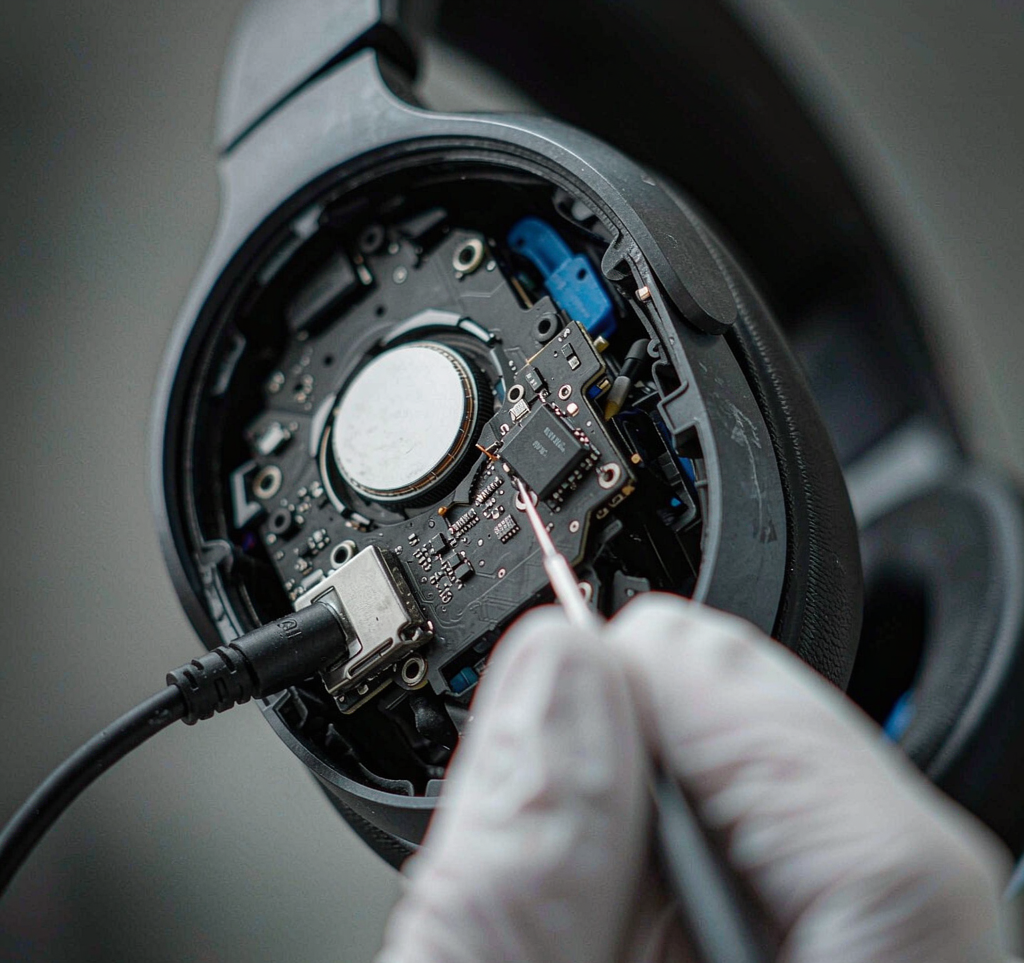
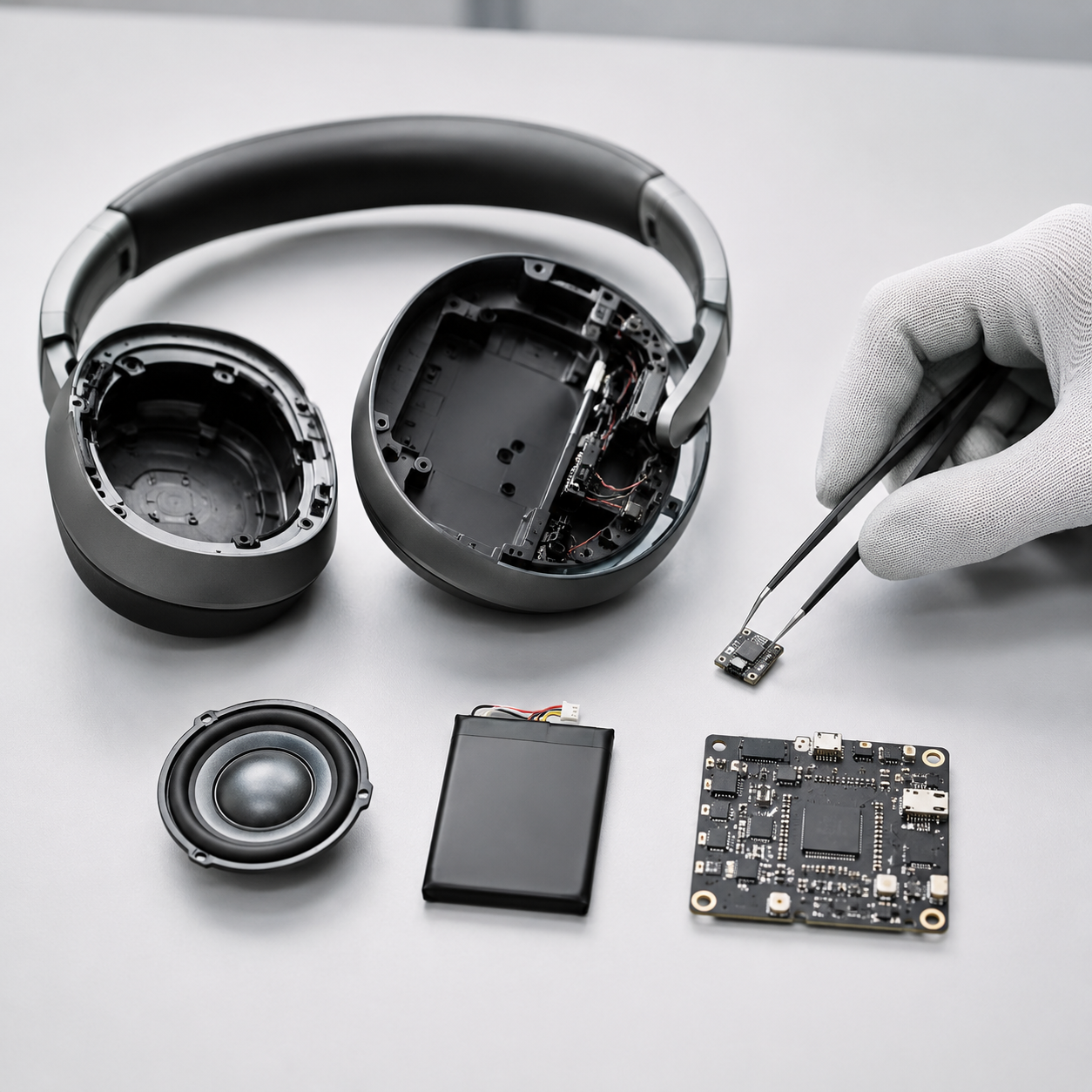
For a wireless headphone, the controlled list normally includes the speaker driver, microphone, battery cell, charging component, Bluetooth chipset, antenna and main PCB. A housing material or ear cushion also belongs on the list when its color, finish or durability forms part of the approved product specification.
Each controlled component should have an approved manufacturer, part number or measurable specification. Writing only “equivalent component accepted” gives the supplier too much room to interpret equivalence.
Use Two Approval Levels
A practical change rule separates major changes from routine updates.
| Change level | Typical situation | Required action |
|---|---|---|
| Buyer approval | Change affects sound, runtime, charging, wireless performance, safety or compliance records | Stop production release until evidence and approval are complete |
| Supplier notification | Change does not alter an approved product requirement | Record the change and notify the buyer before the defined production lot |
This distinction prevents two opposite problems.
Giving the manufacturer unlimited substitution rights removes buyer control. Requiring written approval for every minor factory material update creates delays without improving the finished product.
The approval level should follow product impact, not component price.
Specify the Approval Package
A component change request should follow an agreed information format.
The manufacturer should identify the original and replacement parts, explain the reason for the change and compare the specifications connected to product performance. The request should also include the relevant sample or test results and identify the intended production lot.
The buyer should not need to reconstruct this information from several emails.
A statement such as “same function” does not establish equivalence. The approval package must show which product requirements remain unchanged and what evidence supports that conclusion.
If the change affects an approved claim, the request must identify the new validation required before production release.
Set Authority and Timing
The agreement should name the person or role authorized to approve a controlled component change.
A sales contact can coordinate the request, but technical approval should come from the person responsible for the product specification. On the buyer’s side, the sourcing manager, product manager or quality representative should have clear decision authority.
The rule should also define when notice is required. Notification must arrive before the replacement part is released to mass production.
Silence should not count as approval unless both sides have explicitly agreed to that process. When the buyer needs more evidence, the production configuration remains on hold until the review is complete.
This protects the buyer while giving the manufacturer a clear decision path.
Control the Changeover Lot
Approval is not complete until both sides know when the new component enters production.
The manufacturer should record the last lot using the original part and the first lot using the replacement. Old and new materials should remain separated during the transition.
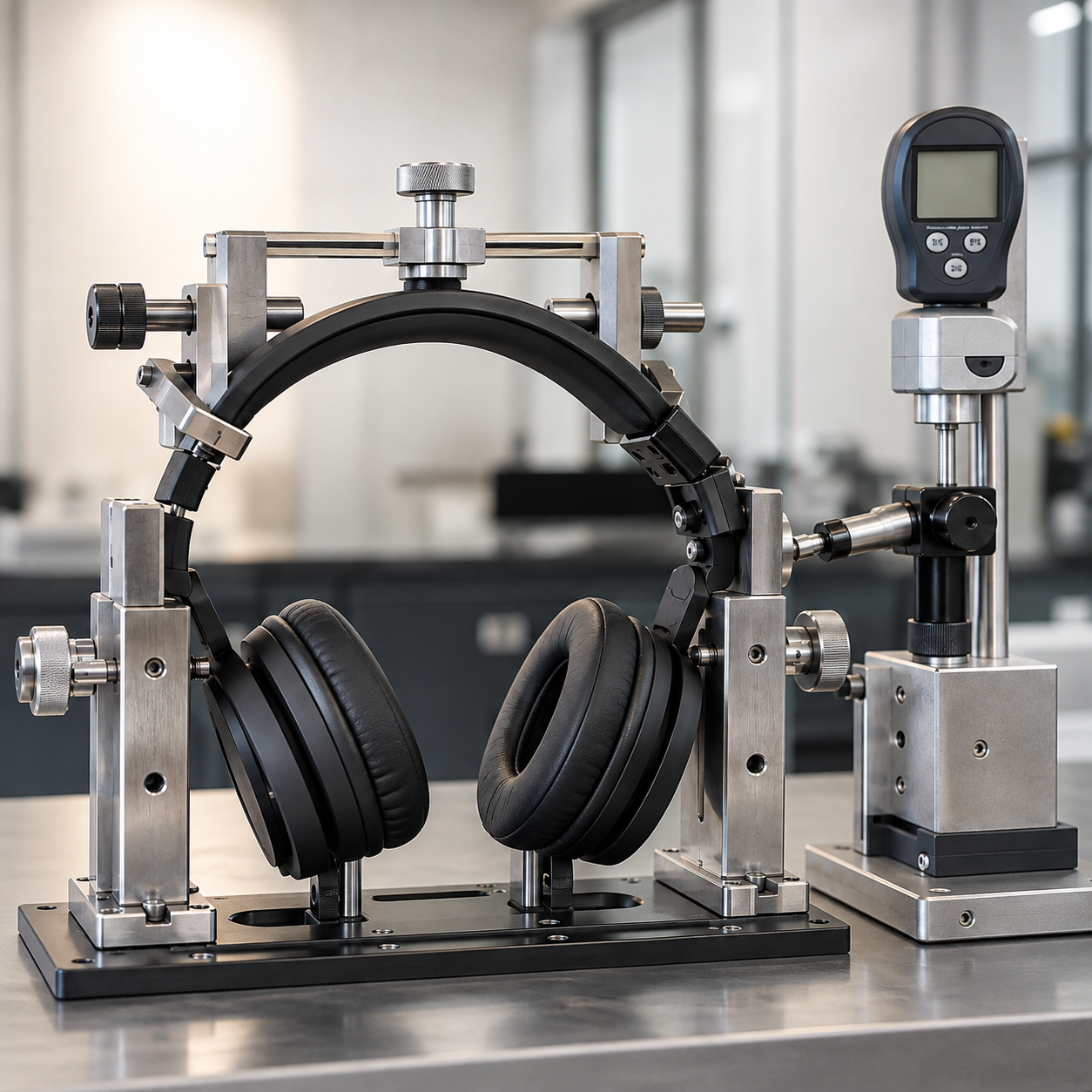
Before production starts, incoming materials must be checked against the approved replacement. For a performance-critical change, produce a small pre-production batch and test the affected functions before releasing the full order.
At the beginning of the first production lot, use first-article inspection to confirm that the production line follows the updated BOM. Test finished units early enough to stop the remaining batch when results fail.
This sequence keeps prevention, production release and ongoing monitoring in the correct order.
Keep Compliance in Scope
A component agreement should never promise that every substitution keeps existing compliance documents valid.
Changes to the chipset, antenna, firmware or radio design require a separate compliance review. The Bluetooth Qualification Process requires Bluetooth products to complete qualification and places responsibility on the member marketing the product.
Treat a change to the Bluetooth design as a qualification risk until the responsible technical or compliance team confirms the correct path.
The same principle applies to other market requirements. Identify the destination market first, then determine which documents and tests the changed component affects.
A useful component change rule gives both sides a practical decision system. It defines what requires approval, which evidence supports the decision and when the approved version enters production.
When preparing a headphone OEM or ODM project with Sonunaudio, include your controlled-component requirements in the RFQ and sample approval process. Clear rules established before production reduce delays and protect the product configuration that your brand approved.