




The Future of Headphone Factories How Automation and Intelligence Are Transforming the Production Process
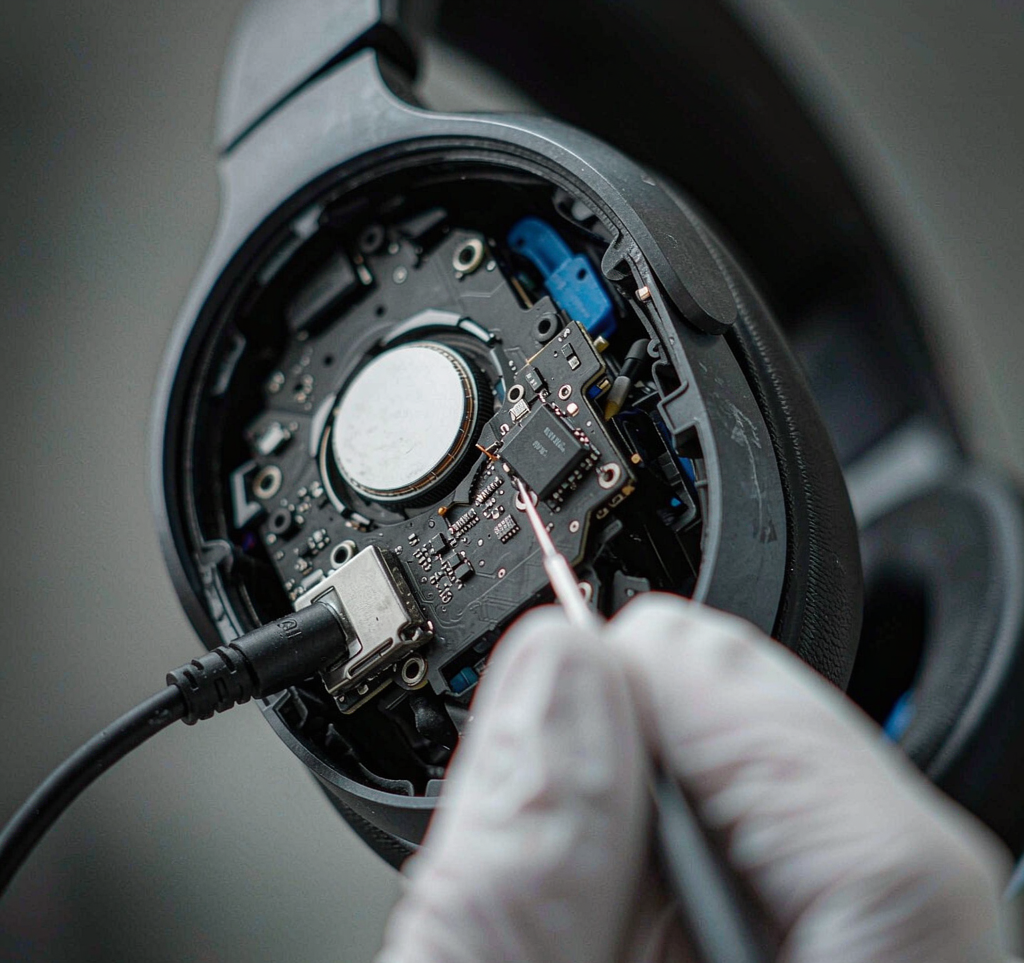
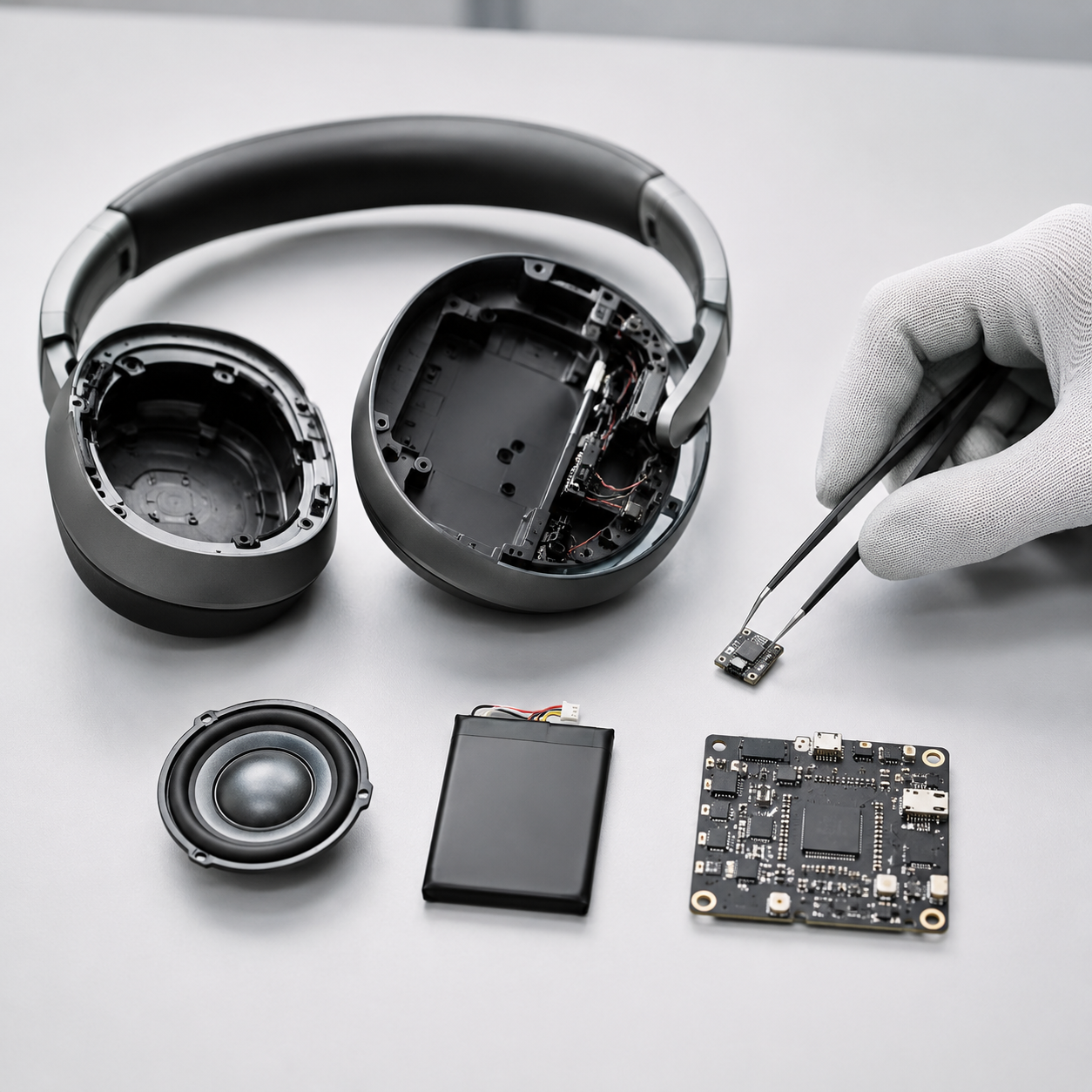
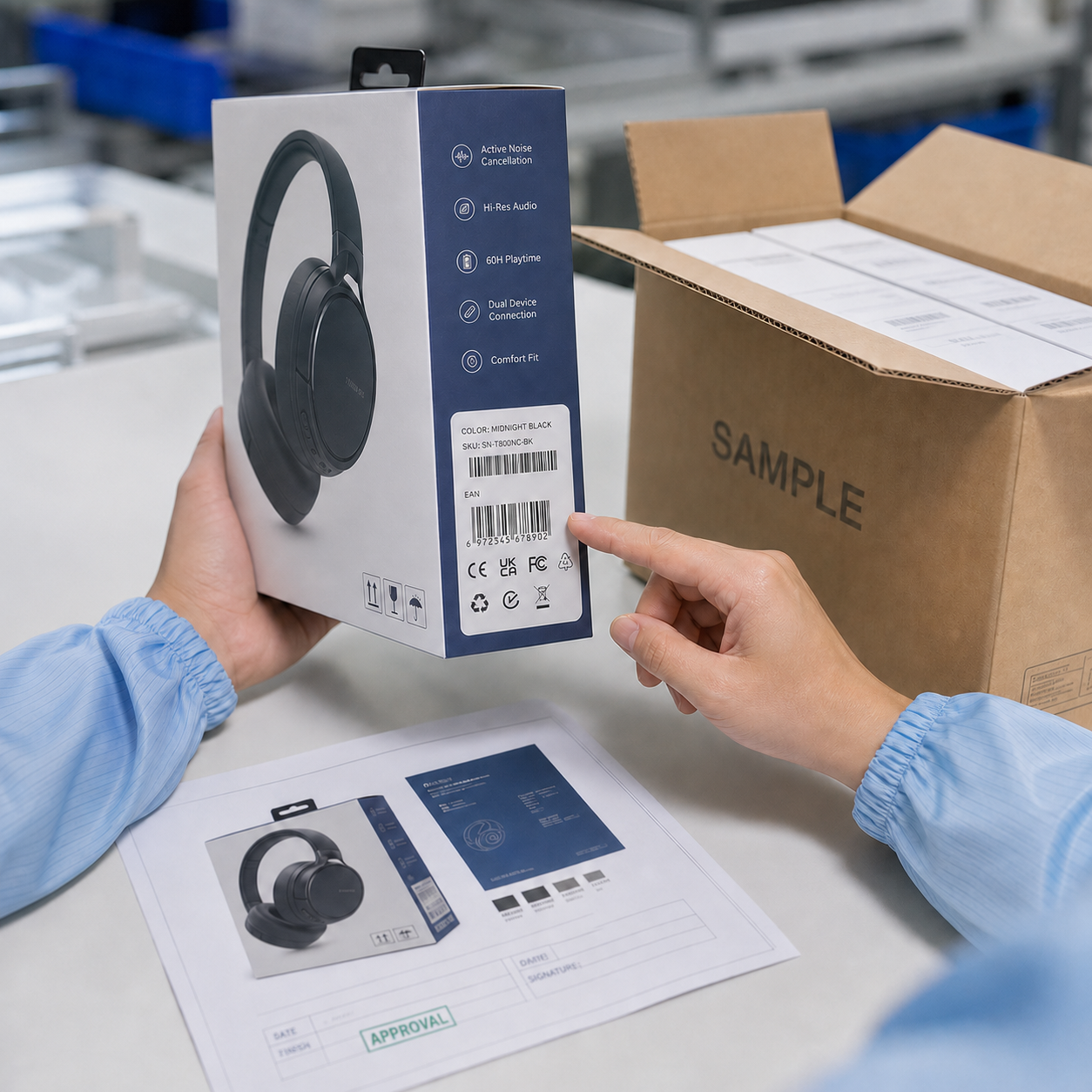
As global manufacturing continues to evolve, automation and intelligent production have become key trends for the future development of headphone factories. With the advancement of technologies like automation, artificial intelligence , and the Internet of Things , the headphone manufacturing industry is undergoing a profound transformation in both technology and production models. In this transformation, not only are production efficiency and product quality improved, but it also plays a crucial role in reducing carbon emissions, minimizing resource waste, and enhancing the sustainability of factory operations. As a leading OEM/ODM manufacturer, Sonun Headphone Factory is actively following these trends and preparing for this change to improve product quality and delivery speed, ultimately offering more efficient and high-quality headphone solutions to our customers.
1. Smart Manufacturing: Reducing Costs and Improving Efficiency
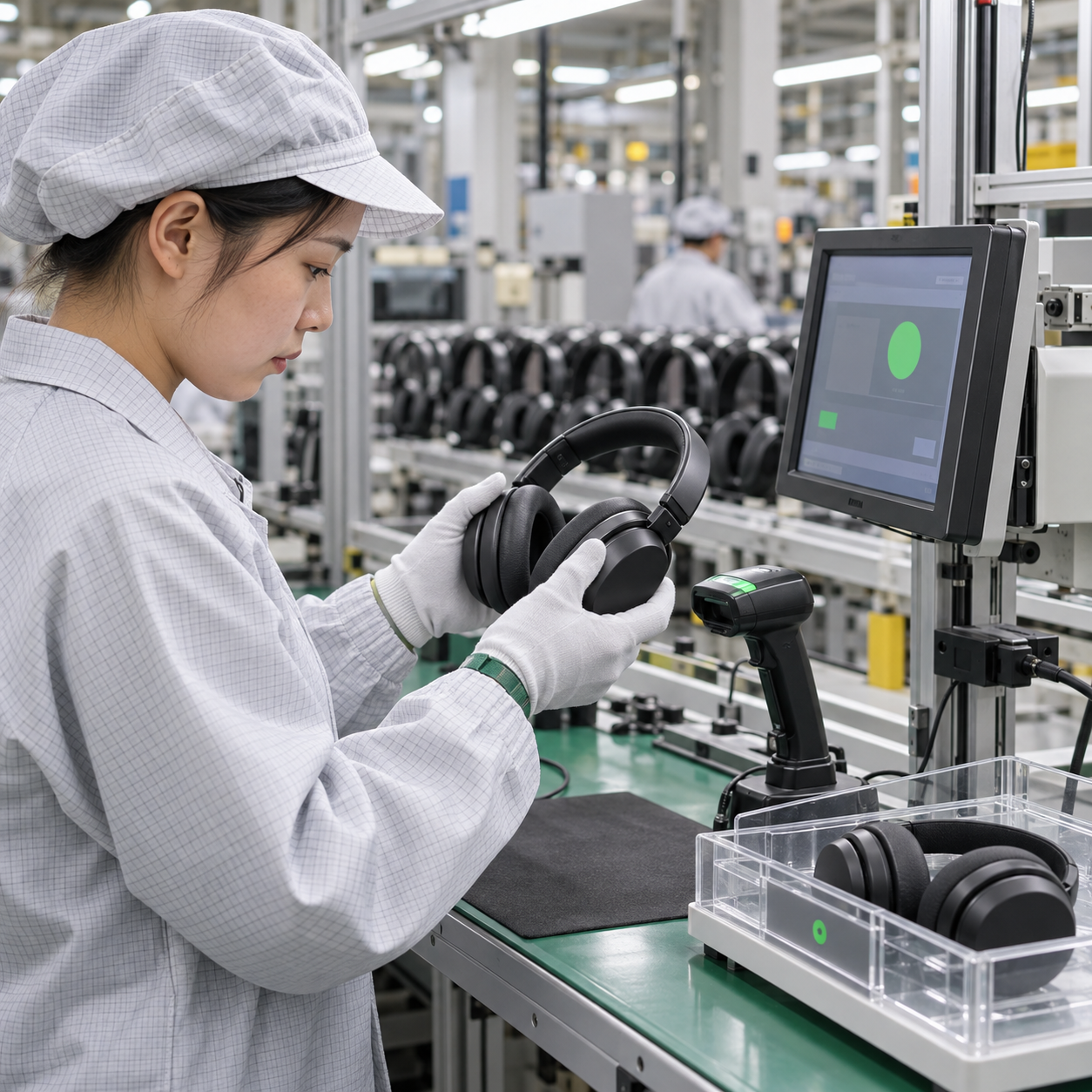
Smart manufacturing is not only a means of enhancing headphone product quality and production efficiency, but it also helps to significantly reduce production costs. With the continuous innovation of manufacturing technologies, future headphone factories will no longer rely on traditional manual operations but will instead use machines, AI algorithms, and IoT devices to achieve precise control and efficient production.
Although Sonun has not yet fully implemented automated production, we are closely monitoring this trend and are actively evaluating how we can gradually introduce intelligent production facilities. Through smart manufacturing, we will be able to improve production speed, reduce human error, ensure consistent product quality, and minimize deviations caused by manual operations. In the future, Sonun plans to introduce automated production lines, allowing for more accurate production scheduling and efficient resource allocation, providing faster delivery and high-quality products for our customers.
2. Sustainable Production: How Smart Technology Supports Green Manufacturing
With the increasing awareness of environmental protection, green manufacturing and sustainable production have become key trends in global manufacturing. As we pursue smart technology transformation, Sonun Headphone Factory is also focusing on promoting a more environmentally friendly production model. Through the application of smart technology, we can better monitor and optimize resource usage, effectively reduce waste, lower energy consumption, and reduce carbon emissions during production.
The introduction of IoT technology will allow Sonun's production equipment to monitor energy usage in real-time, adjust manufacturing processes, and ensure that high-efficiency production is achieved while minimizing energy waste. Additionally, the use of AI will help optimize production workflows, reduce unnecessary steps, and save resources, contributing to green production.
3. Smart Data Management: Improving Decision-Making Efficiency in Factories
The application of IoT and big data analytics will enable smarter and more precise production data management in future headphone factories. By collecting real-time data from every production step, factories can gain a more accurate understanding of production progress, equipment status, and product quality, allowing for quick adjustments to optimize the manufacturing process.
Sonun is actively exploring how to incorporate these intelligent data management systems into our existing production processes. By enabling real-time monitoring of production, we can quickly identify potential issues and make automated adjustments, ensuring a smooth and efficient production process. Additionally, data analytics will help us identify cost-saving opportunities and optimize resource utilization, further improving factory operations.
4. Intelligent Supply Chain: Enhancing Supply Chain Efficiency and Flexibility
As manufacturing becomes more intelligent, supply chain management must also evolve. By leveraging IoT, big data, and other technologies, future headphone factories will be able to predict demand more accurately, optimize inventory management, and automate scheduling to ensure timely procurement of raw materials and prevent production delays.
At Sonun, we are committed to developing an intelligent supply chain system that will optimize the entire process, from sourcing raw materials to production and logistics. By implementing real-time data sharing and smart scheduling, we will enhance the responsiveness and flexibility of our supply chain, ensuring that customer delivery timelines are met while minimizing production downtime.
5. Reducing Labor Costs: The Cost Advantages of Automation and Intelligence
The introduction of automation and intelligent technologies not only improves production efficiency but also significantly reduces labor costs. As labor costs continue to rise globally, automation offers an effective way to address this challenge. By using robots and automated assembly lines, factories can reduce reliance on manual labor, increase the flexibility of production lines, and maintain consistent product quality.
Sonun anticipates that as automation gradually becomes integrated into our production processes, we will significantly reduce our dependence on manual labor. This will result in lower production costs, allowing us to offer competitive pricing on customized headphone solutions while maintaining high-quality standards.
6. Proactively Preparing for Future Challenges
Although Sonun has not yet fully implemented automation and intelligent manufacturing, we are closely following industry trends and continuously evaluating how we can introduce automation, AI, and IoT technologies into our manufacturing processes. Through ongoing technological updates and gradual equipment upgrades, we aim to improve product quality, shorten delivery times, and enhance overall production efficiency.
Sonun’s goal is to drive the future development of the headphone industry by continuously innovating and adopting new technologies, which will enable us to provide highly efficient, high-quality products to our global customers.
Conclusion
The future headphone factory will not only be a place for production but also a combination of technological innovation, intelligent management, and environmental sustainability. Through the application of automation, AI, IoT, and other emerging technologies, headphone factories will enhance production efficiency, optimize product quality, and offer faster delivery services. Sonun is committed to embracing these trends and gradually introducing advanced technologies into our production processes, reducing labor costs, improving product quality, and ensuring timely delivery. We believe that in the near future, Sonun will be at the forefront of smart manufacturing in the headphone industry, leading the sector toward more efficient, sustainable, and high-quality production.