
News


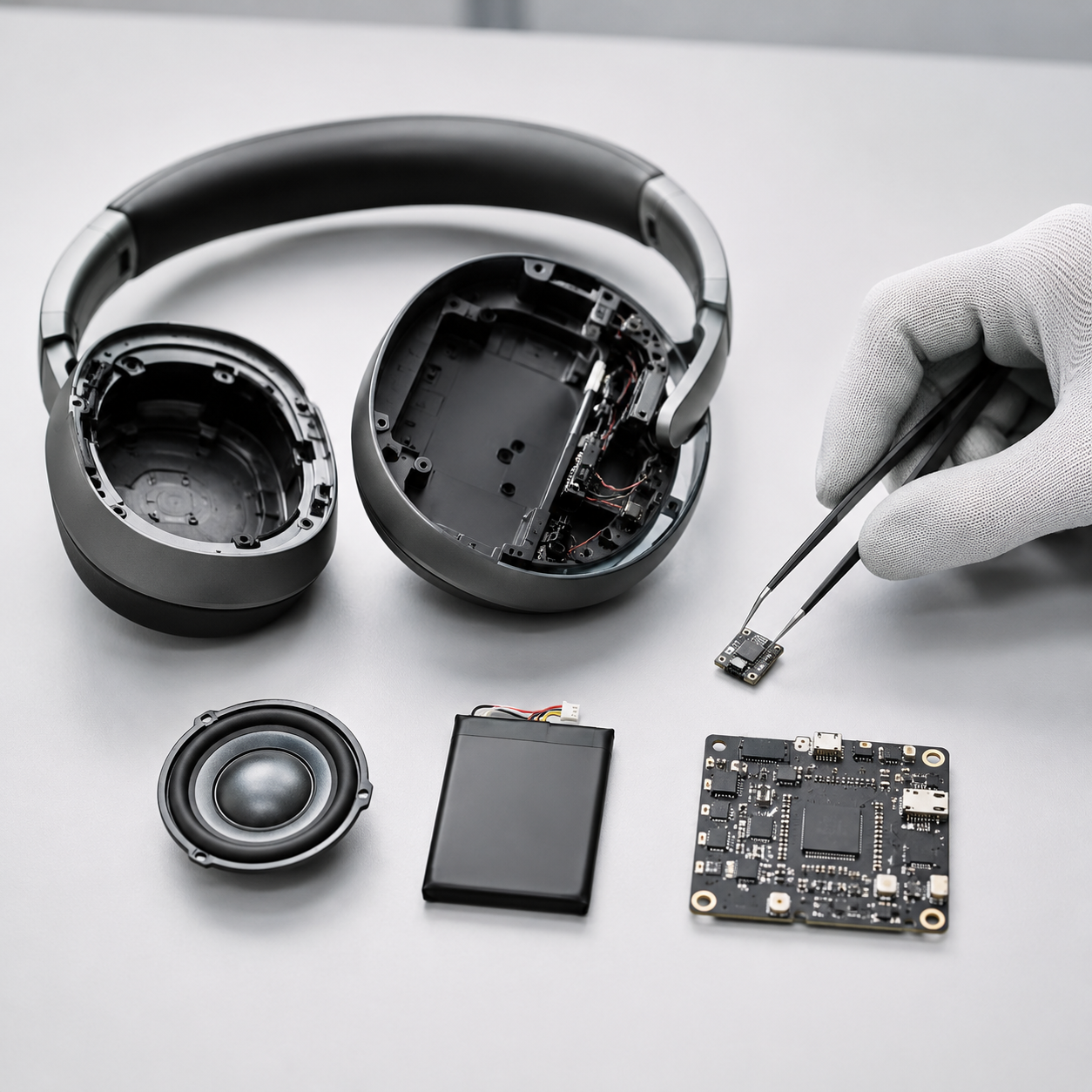

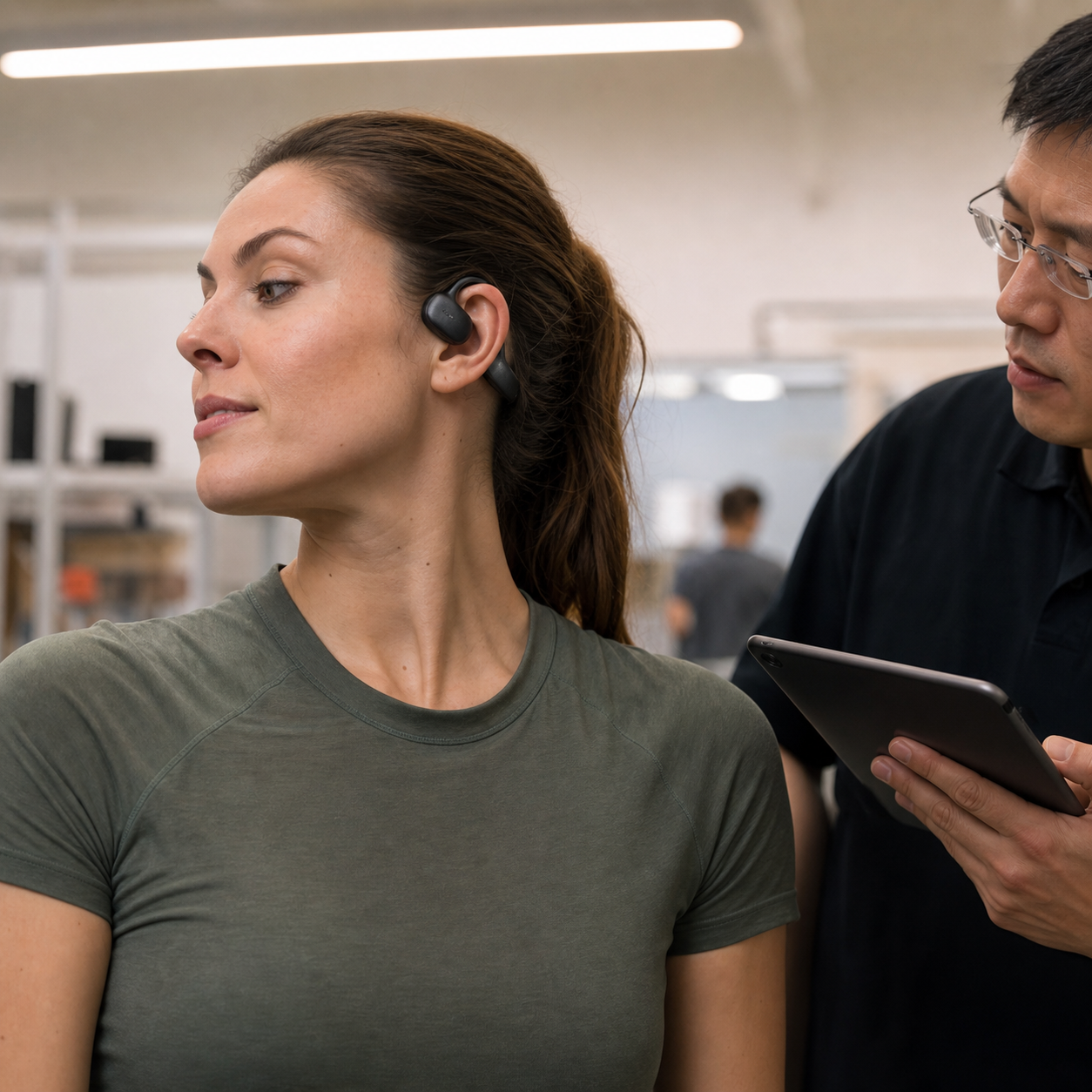

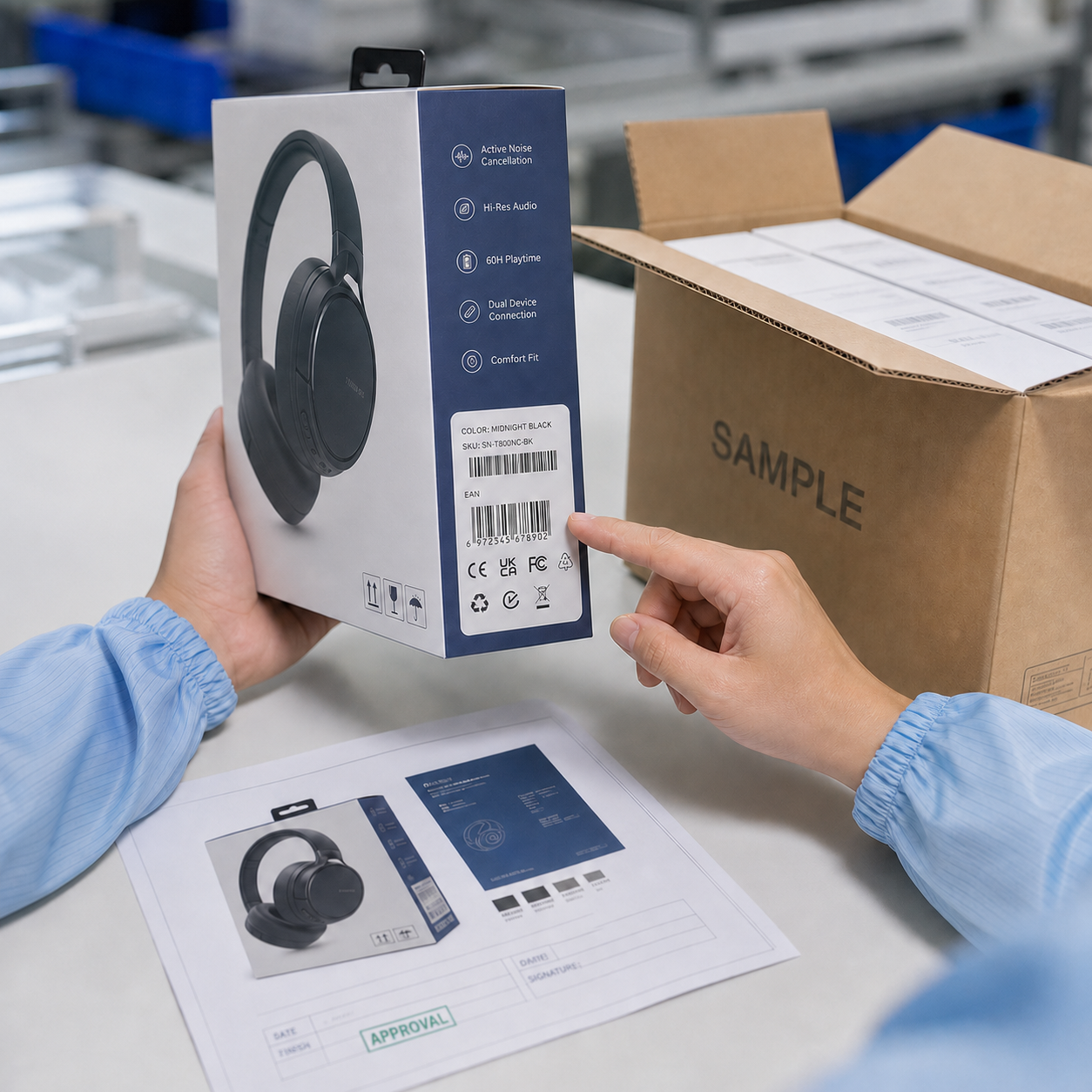
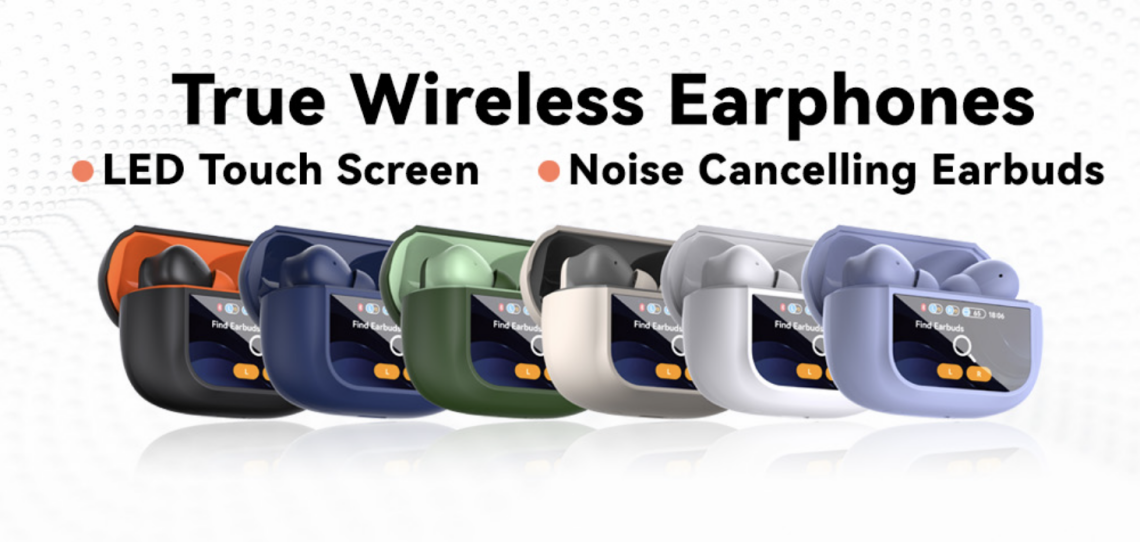
Manufacturing Excellence Within SONUN's OEM/ODM True Wireless Earbuds Factory For Premium Audio
For modern commuters navigating the rhythmic hum of a subway or fitness enthusiasts pushing through a final mile, the quality of their personal soundtrack is rarely a matter of chance. Behind the seamless Bluetooth connection and the rich, balanced bass of a high-end pair of earbuds lies a complex journey of precision engineering. While many brands excel at market positioning and aesthetic curation, the tangible experience of sound—its clarity, depth, and reliability—is often forged in specialized facilities.
As the demand for sophisticated audio grows, brand owners increasingly seek manufacturing partners who can translate complex acoustic concepts into scalable, market-ready products. This search for technical mastery is what brings many to the doorstep of a dedicated OEM/ODM True Wireless Earbuds Factory, where industrial capability meets acoustic artistry.
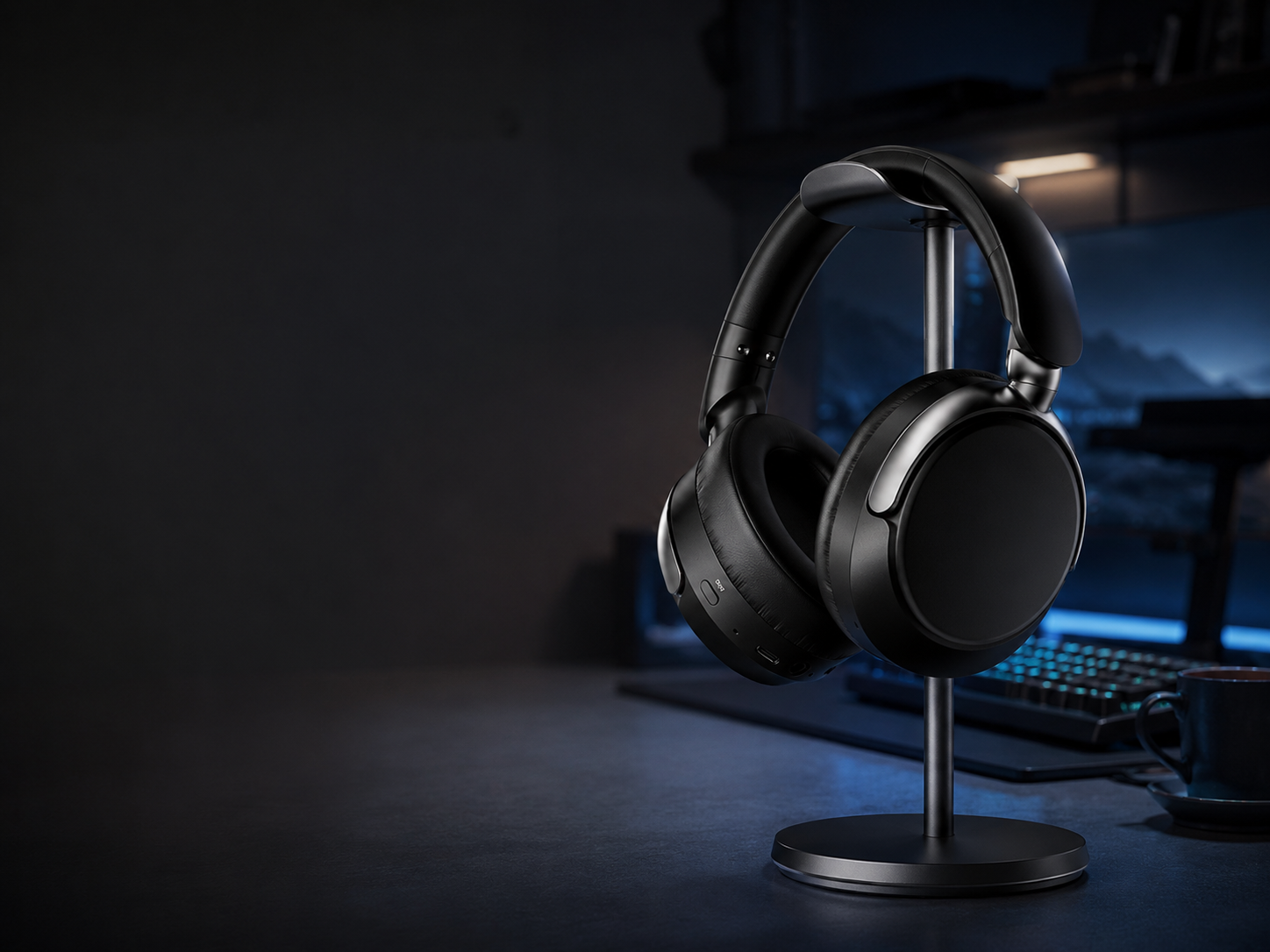
How To Select A Reliable Customized Wireless Headphone Supplier For Global Market Expansion
Why do some emerging consumer electronics brands gain significant traction in competitive overseas markets while others struggle with product consistency or regulatory hurdles? The answer often lies in the invisible backbone of the industry: the strategic partnership between a brand and its Reliable Customized Wireless Headphone Supplier. As wireless audio technology becomes more integrated into daily life—from remote work setups to fitness tracking—the ability to deliver a product that is both technically sound and culturally relevant determines a brand's trajectory.
The global demand for wireless audio solutions, including True Wireless Stereo (TWS), over-ear Bluetooth headsets, and specialized sports acoustics, continues to show steady upward momentum. For brands looking to scale beyond their domestic borders, the shift from merely purchasing "off-the-shelf" products to developing tailored solutions is no longer optional; it is a prerequisite for differentiation.

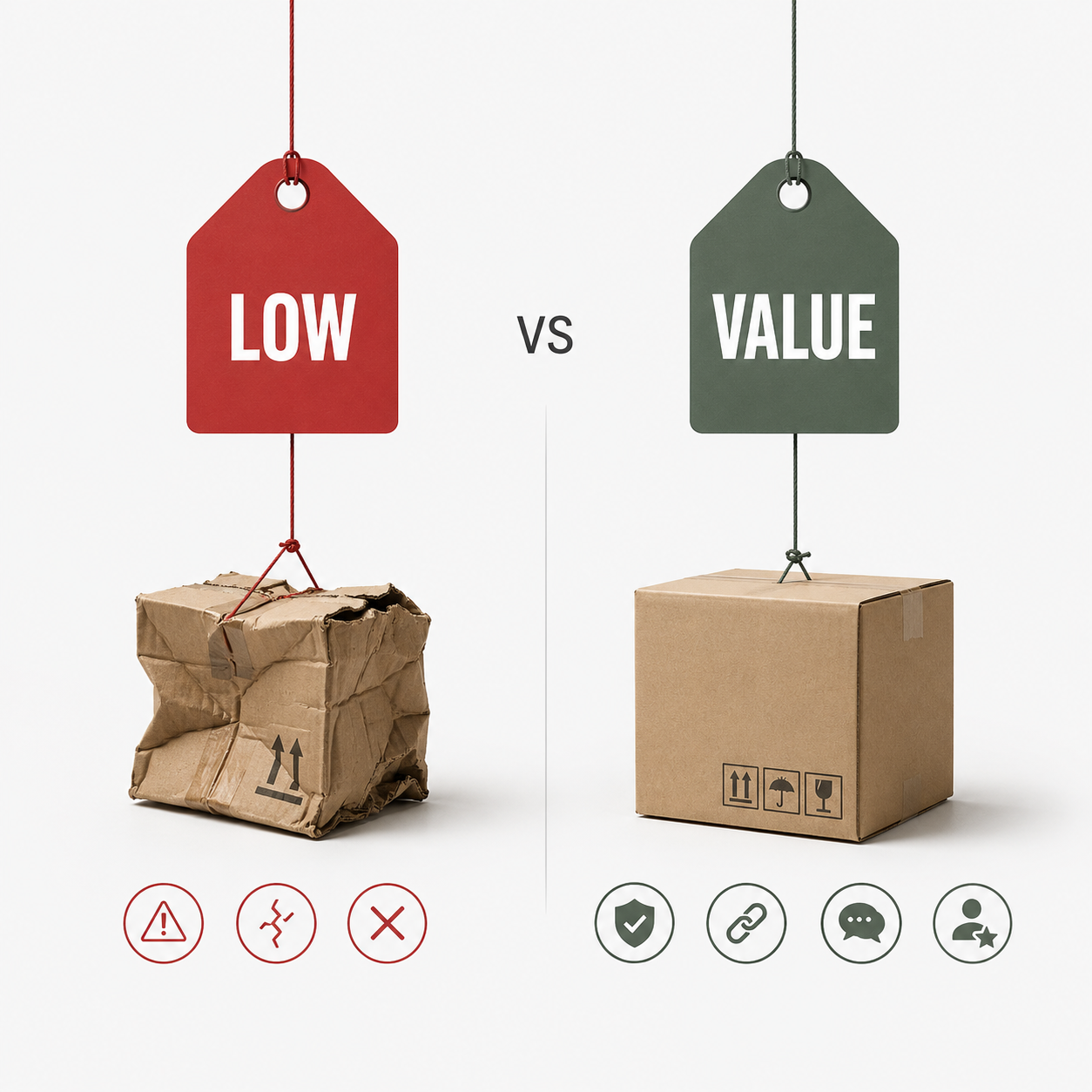
Why Overseas Buyers Shouldn’t Only Look at Low Prices
Choosing a headphone OEM factory based only on the lowest quotation can reduce purchasing costs but increase returns, negative reviews, inventory pressure, and lost repeat orders. This article explains why overseas brands, importers, wholesalers, and e-commerce sellers should evaluate real profitability after launch. It covers product positioning, user scenarios, comfort, call quality, connection stability, packaging, quality consistency, MOQ flexibility, and after-sales traceability. Buyers will also learn three practical questions for judging whether a headphone is worth developing. A reliable OEM partner should provide competitive pricing while helping reduce market risk, improve product-market fit, and support sustainable repeat business.

After Trump’s Visit to China, What Can Headphone Exporters Expect?
This article examines whether warming China–U.S. relations could ease tariff pressure on Chinese headphone exports and what manufacturers should do while uncertainty remains. It explains why the U.S. market is still important, why smaller factories cannot rely on policy changes, and why China’s mature headphone supply chain remains valuable to overseas buyers. It also discusses opportunities in Europe, the limits and compliance risks of shifting production to Vietnam or India, and the need for market diversification. Long-term competitiveness depends on differentiated products, stable delivery, professional content, reliable service, and stronger customer trust—not simply waiting for lower tariffs.
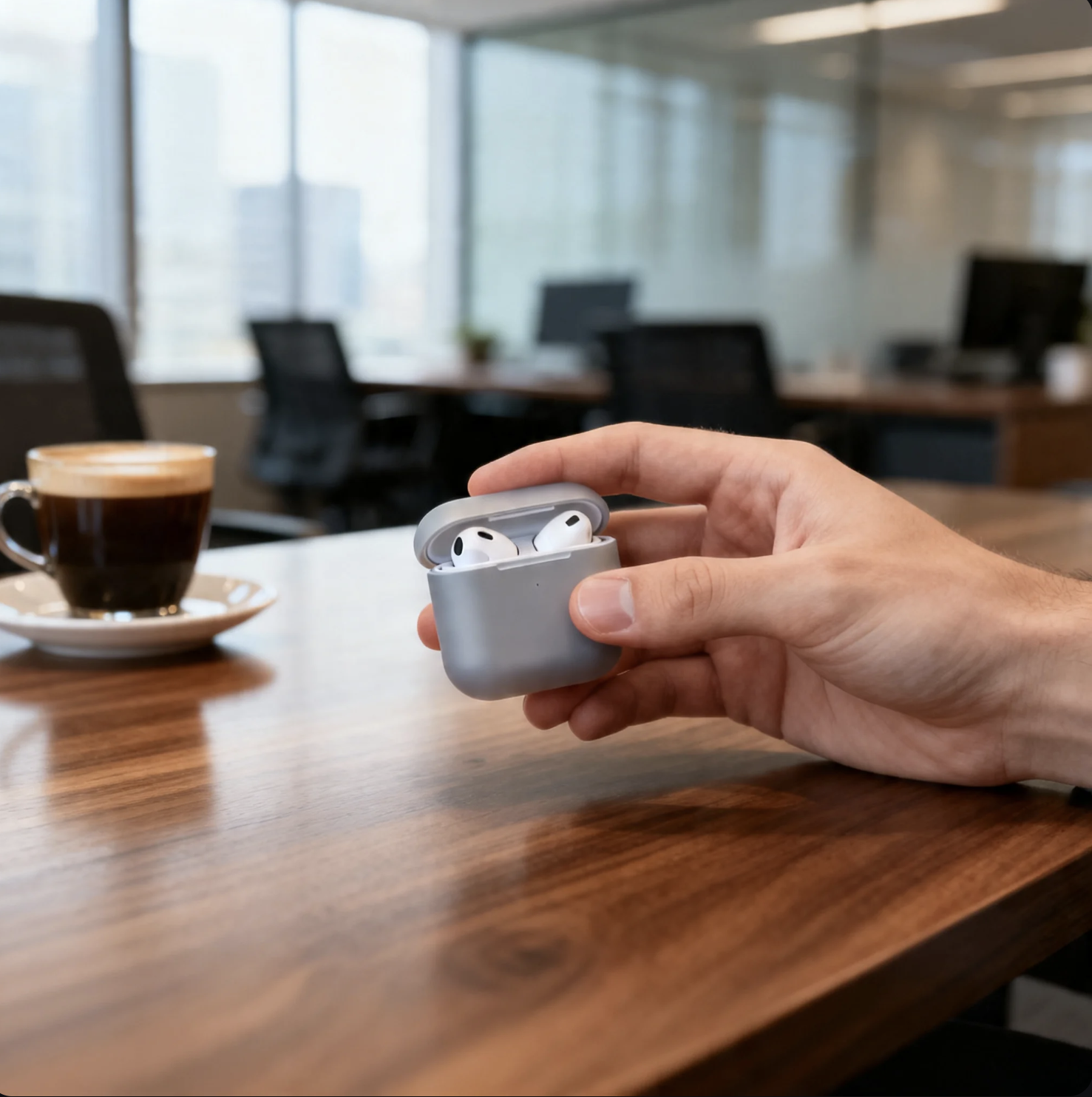
From Deposit to Delivery: The "Time Killers" You’re Overlooking in OEM Earbud Orders
OEM headphone delivery delays often come from unclear approvals, incomplete materials, and mismatched inspection standards rather than slow assembly. This article explains the critical stages that determine lead time, from Golden Sample approval and packaging confirmation to chipset and battery availability, BOM control, and final quality inspection. Cross-border sellers and brand owners will learn why small design changes can affect production schedules, how early AQL agreement can prevent last-minute disputes, and why buffer time is necessary for logistics and customs clearance. Clear requirements, synchronized progress tracking, and early component planning help buyers reduce uncertainty and keep urgent restocking or product-launch schedules under control.

Headphone Export Certification Guide: 2026 Compliance Requirements and What to Watch Out For
Export certification can determine whether wireless headphones clear customs or face costly delays. This article outlines key compliance considerations for OEM headphone launches across the United States, European Union, United Kingdom, Japan, Australia, and New Zealand. It explains why buyers should verify market-specific radio, safety, chemical, battery, labelling, and documentation requirements before mass production. It also highlights common mistakes, including relying on outdated reports, changing components without reassessing compliance, and assuming one certificate covers multiple models or brands. Early certification planning and coordination with qualified compliance specialists can help protect production schedules, reduce customs risks, and support smoother market entry.

The Impact of EU 2025 Environmental Regulations on Headphone Manufacturing
EU environmental rules are reshaping how headphones are designed, manufactured, documented, and managed after sale. This article examines the growing importance of waste reduction, repairability, recyclable materials, responsible battery design, product traceability, and end-of-life collection for companies supplying the European market. It also considers the impact on material selection, product development, certification, supply-chain management, and recycling costs. OEM and ODM headphone buyers will find practical suggestions for reviewing existing products, coordinating with suppliers, exploring modular structures, and planning compliance earlier. Adapting proactively can help manufacturers reduce market-entry risks and turn environmental performance into a stronger B2B advantage.

Can You Start with Just 1,000 Units? How a British Client Built a Headphone Brand from Scratch
Launching a private-label headphone brand does not always require a massive first order. This article shares how a small British e-commerce team used an initial 1,000-unit TWS earbud order to test its target market, refine product positioning, and build a path toward repeat orders. It covers the key stages of defining users and pricing, revising samples, planning CE and RoHS compliance early, improving packaging, and collecting structured feedback from initial customers. For first-time OEM buyers, the case shows why a controlled launch, stable core functions, early certification planning, and continuous product iteration can be more valuable than chasing perfection.