In 2026, Sport Earbuds are not one-size-fits-all. Runners need a secure fit through sharp turns and sweaty intervals. Cyclists may prefer designs that leave the ear canal open, helping them stay aware of nearby sounds. Swimmers need a different solution: water resistance and dependable controls matter more than a tiny charging case. Small details count. A loose tip can ruin a long run.
This guide compares the leading types: true wireless earbuds, open-ear models, bone-conduction headphones, and neckband designs. Each makes trade-offs. True wireless earbuds are compact, but they can be easy to misplace. Open-ear models improve awareness, yet nearby traffic or gym noise may mask music. Bone conduction keeps the ear canal clear, though sound can feel less full. Neckbands are less common, but their connected earpieces can feel reassuring during training.
Audio researcher Sean Olive’s work offers a useful principle: judge comfort and sound through real listening, not specifications alone. The line “Test the fit and sound in real use, not just on paper” is a practical paraphrase of that idea, not a direct quotation. Fair warning: the best category on paper may still feel wrong after twenty minutes. Ear shape, workout intensity, and personal preference all matter. The sections ahead explain which Sport Earbuds types suit different routines, and where each one falls short.
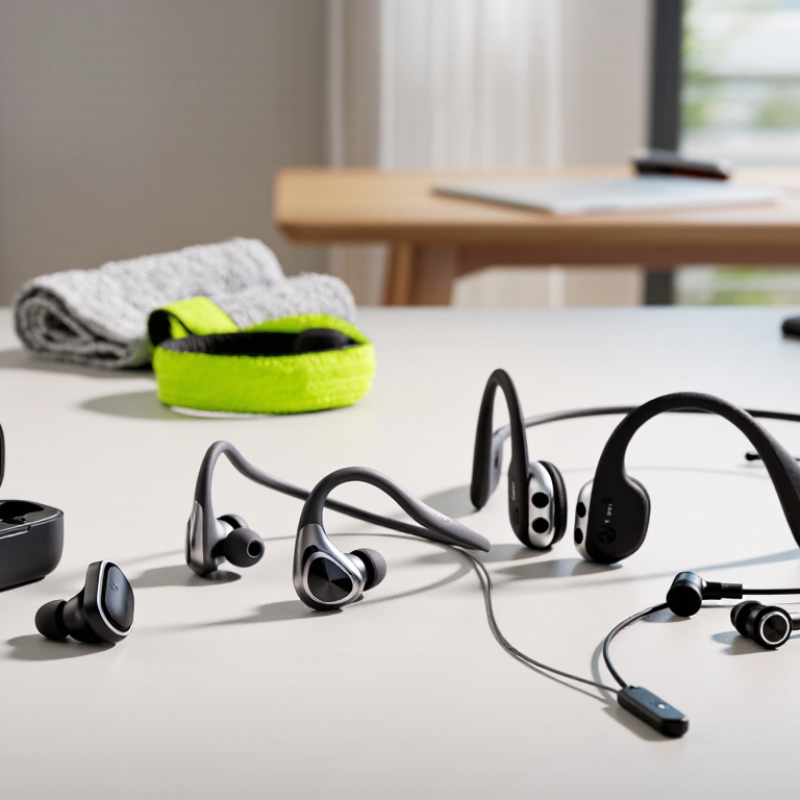
Sport earbuds are commonly grouped by how they sit, connect, and stay secure during movement. That design often matters more than a feature list. Fit is personal. Small differences become obvious during a run or a set of burpees. Most designs fall into a few practical families.
True wireless models use two separate earpieces, with no cable between them. They feel light and pack easily, but tiny housings can be easier to misplace.
Neckband earbuds link the earpieces with a flexible cord resting behind the neck. The cord can reduce drop anxiety, though it may bounce against a collar.
Over-ear-hook designs loop around the outer ear, helping them stay put during sharper movement. They can feel secure, but glasses or ear shape may create pressure.
Open-ear and bone-conduction styles leave the ear canal uncovered. One uses a small speaker near the ear; the other sends vibrations through nearby bone. They may suit people who want awareness of surrounding sounds, but bass can feel less full.
Water resistance, tip material, and cleaning access deserve attention; sweat can expose weak seals and irritate skin. Labels blur. A hook can coexist with an open-ear speaker, and fit still varies from person to person. Try movement, not just comfort at a desk.
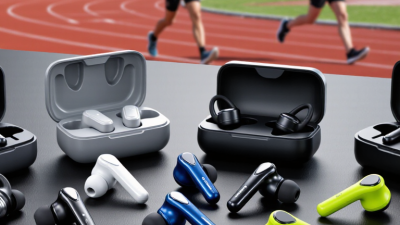
True wireless sport earbuds keep each earpiece independent, so no cable catches on a shirt collar or gym equipment. Their small cases fit easily into a running belt, but tiny controls can be awkward with sweaty fingers. A secure fit matters more than a long feature list. Wing tips, soft hooks, or several silicone tip sizes can help keep buds stable during intervals. Still, ears vary.
For outdoor runs, look for sweat resistance and a stated water-resistance rating, then check what the rating actually covers. Resistance does not mean indestructible; salt, soap, and repeated soaking can wear seals over time. Physical buttons may be easier to use than touch controls when hands are damp, though designs differ. Transparency mode can help users hear nearby traffic, but it should not replace attention to their surroundings.
Judge battery life with the earbuds and charging case separately, since advertised figures may rely on ideal settings. A quick charge helps before a short workout. Noise reduction can steady indoor listening, yet may hide useful cues in busy places. Check for replaceable tips and a comfortable seal; sound quality changes when the fit is poor. Even published battery estimates can feel optimistic during calls or cold-weather runs.
| Type | Fit and Retention | Awareness | Sound and Isolation | Best Suited To | Key Consideration |
|---|---|---|---|---|---|
| In-ear earbuds with stabilizing wings | A silicone tip seals the ear canal; a wing rests against the outer ear to help keep the earbud in place. | Limited while a good seal is formed. | Typically offers stronger passive noise isolation and fuller bass than open-fit designs. | Running, gym training, and workouts where a secure seal is preferred. | Tip size and wing shape affect comfort and stability; a tight seal may reduce awareness of nearby sounds. |
| Ear-hook true wireless earbuds | A hook loops around the outer ear and supports the earbud during movement. | Varies by model: some use sealed tips, while others have a more open fit. | Sound and isolation depend on whether the design seals the ear canal. | High-motion activities and users who find standard earbuds insecure. | Check hook flexibility, glasses compatibility, and fit comfort before extended use. |
| Open-ear air-conduction earbuds | Sit at or just outside the ear canal without forming a sealed in-ear fit; commonly secured with an ear hook or frame. | Allows more environmental sound to reach the ear than a sealed in-ear design. | No ear-canal seal, so bass perception and sound privacy can differ from sealed earbuds. | Outdoor exercise where hearing surrounding activity is important. | Ambient awareness does not replace attention to traffic or other hazards; sound may be audible to people nearby. |
| Open-ear clip-on earbuds | A clip or curved housing holds the speaker near the outer ear without entering the ear canal. | Generally leaves the ear canal uncovered, allowing ambient sound through. | Usually provides less isolation than sealed earbuds; sound leakage depends on volume, fit, and design. | Walking, cycling in appropriate settings, and users who dislike in-ear tips. | Fit depends on ear shape; confirm that the clip remains comfortable and secure during movement. |
| Compact sealed in-ear earbuds | Small housings fit directly in the ear canal, generally using replaceable silicone tips; some models omit stabilizing wings. | Limited when the ear tips create a close seal. | A close seal can help with passive isolation and consistent bass response. | Gym sessions and users who prefer a small, low-profile fit. | Fit varies by ear; check for secure retention and comfort during repeated movement. |
Buying note: Sweat and water protection varies by product. Check the specific IP rating and manufacturer guidance rather than assuming that a sport-oriented design is waterproof. An IP rating describes tested protection under specified conditions; it does not guarantee protection in every workout or swimming situation.
Open-ear earbuds leave the ear canal unobstructed, so traffic, voices, and crossing signals may remain audible during a run. Many use small speakers positioned near the ears rather than inside them. Bone-conduction models send vibrations through the cheekbones, leaving the ear openings clear. The designs aren’t identical. Fit and sound quality can vary noticeably.
On a quiet park path, either style may make it easier to hear a cyclist approaching from behind. In a busy street, though, engine noise can mask both music and environmental sounds. Awareness is never guaranteed. Keep volume low, and pause playback before crossing or entering an unfamiliar area. A clear ear is not a substitute for looking around.
For cycling, a secure fit matters as much as open ears; loose frames can shift when you turn your head. Sweat resistance and simple controls are useful during long sessions, especially when hands are damp. Bone conduction can sound thin beside sealed earbuds, while open-ear speakers may leak audio nearby. That trade-off is real. Try them in a safe, quiet setting first, and notice whether the fit stays comfortable after several minutes.
Neckband and wired sport earbuds still suit athletes who value stability and long sessions. A neckband rests around the collar, keeping the earbuds connected when one slips loose. That can feel reassuring during hill sprints or a bumpy bike ride. The band may bounce, though, and some runners find it distracting. Fit varies from person to person.
Wired sport earbuds avoid battery worries and can be ready whenever a compatible device is nearby. A short cable tucked under a shirt is less likely to swing or catch on equipment. Still, cords can snag, and newer devices may need an adapter. Check that the cable and ear tips feel comfortable before a long workout. They stay put. But not for everyone.
Tips: Try a few minutes of jogging and head turns before committing to a pair. Adjust the cable or neckband so it does not tug at your ears. Check the care instructions after sweaty sessions, and let the earbuds dry fully. Don’t assume a snug fit means they are waterproof.
A runner training beside traffic may prefer open-ear earbuds that leave the ear canal clear. They can make nearby sounds easier to notice, though they do not replace attention to the road. For trail runs or gym sessions, in-ear models with stabilizing wings often stay put during quick turns. Fit matters. A seal that feels secure indoors can become uncomfortable after several sweaty miles.
For cycling, choose a stable fit and keep the volume low enough to hear surrounding traffic. Bone-conduction designs also leave the ears open, but sound quality and comfort vary by person. For strength training, compact in-ear earbuds may be less likely to catch on clothing or equipment. Swimmers need a model specifically rated for swimming; ordinary sweat resistance is not enough. Check the device’s water rating and fit guidance before using it in a pool. Not every feature suits every athlete. Long sessions call for comfortable tips and dependable battery life, while short workouts may need neither. Try the fit during an easy session before relying on it for a race. Small details count.
How to Match Earbud Types to Different Sports and Needs
The 1–5 scores are a practical matching guide, not lab-test results or sales data. Open-ear designs suit situations where awareness matters; ear-hook and secure in-ear designs can help with movement. Swimming requires earbuds specifically rated for swimming—ordinary Bluetooth earbuds are generally unsuitable underwater, and Bluetooth signals do not travel reliably through water. Check the device’s water-resistance rating and swimming instructions.