Leave Your Message
China remains a major sourcing base for Bluetooth Earphones, offering wholesale buyers a broad mix of factories, product designs, and price points. Scale matters. So does verification. A supplier’s catalog may look polished, yet sample quality, production consistency, and after-sales support need separate checks.
Industry forecasts help explain the opportunity, but they require careful reading. Bluetooth SIG’s 2024 Market Update projects annual shipments of Bluetooth devices to reach 7.5 billion by 2028. That figure covers many device categories, not earphones alone. Counterpoint Research’s TWS Market Tracker offers a more focused view by following true wireless stereo shipments across brands and regions. Together, these sources show a growing connected-audio market, though neither report can guarantee the performance of an individual supplier.
For wholesale buyers, the practical questions are more specific: Do left and right earbuds pair reliably? Does the charging case protect them during shipping? Can the supplier maintain the same materials and specifications across repeat orders? Request current samples, written product specifications, and clear production timelines before comparing quotations. Ask how defects are recorded and handled, too. Small details matter.
A low unit price can still become an expensive order. That is easy to overlook. This guide examines how to assess Chinese Bluetooth Earphones suppliers through product checks, communication, manufacturing capability, and order planning. It cannot replace an on-site audit, and supplier claims should not be treated as independent proof. The goal is a better-informed shortlist, not a promise of risk-free sourcing.
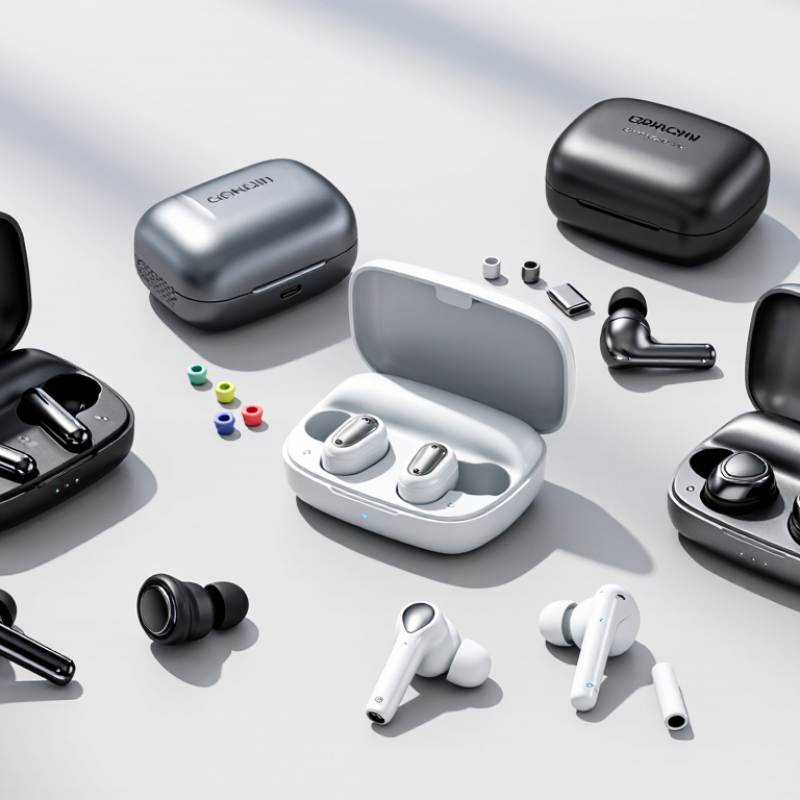
China’s Bluetooth earphone wholesale market includes factories, trading companies, and sourcing agents. Their roles can overlap, so a polished catalog does not prove who controls production. Buyers should compare product specifications, minimum order quantities, sample policies, and quoted lead times. A sample can reveal fit, button response, microphone clarity, and case finish. Small details matter.
Ask suppliers to confirm Bluetooth version, supported audio codecs, battery capacity, charging time, and warranty terms in writing. Request a sample from the same production line intended for the bulk order, when possible. Check packaging dimensions and carton weight before arranging freight. Prices may change with component costs or order volume. I would not treat one low quote as the whole story; comparing like-for-like specifications takes extra time, but often exposes hidden differences.
Tips: Share your target quantity and delivery window early. Keep one approved sample for comparison. Record agreed specifications in the purchase documents. Leave time for inspection; production schedules can slip, even after a supplier gives a confident estimate.
| Sourcing Dimension | Common Wholesale Options | Indicative Benchmark | What Buyers Should Check |
|---|---|---|---|
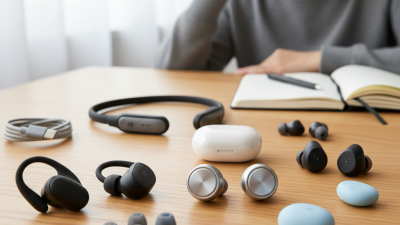
| Product category | Wired Bluetooth-style neckband earphones, true wireless stereo (TWS) earbuds, and open-ear models | Specifications and unit costs vary substantially by design and feature set | Confirm fit, microphone performance, controls, charging method, and intended use |
| Bluetooth specification | Bluetooth Core Specification versions vary by model; version 5.x products are common in current listings | Check the exact version and supported profiles on the product specification sheet | Request evidence for Bluetooth qualification and verify the final product configuration |
| Indicative unit price | Entry-level TWS models, basic neckbands, and feature-rich models are generally quoted in separate price tiers | Broad planning range: approximately US$3–US$25 per unit, depending on components, features, order size, and packaging | Compare like-for-like specifications; clarify whether the quotation includes packaging, accessories, and testing |
| Minimum order quantity (MOQ) | Stock models, customized packaging, and customized product designs may have different MOQs | Some stock offers start around 100–500 units; customization may require larger quantities | Ask for MOQ by color, model, packaging type, and logo or artwork option |
| Sample and production timing | Sample approval usually precedes bulk production; custom packaging can add preparation time | Indicative planning allowance: samples in about 3–10 working days; bulk production in about 20–45 days | Confirm the schedule in writing, including sample approval, peak-season capacity, and inspection time |
| Manufacturing and sourcing hubs | Electronics manufacturing and component supply are concentrated in several coastal Chinese industrial regions | Supplier location, component sourcing, and assembly location can differ | Verify the factory or trading-company role, production address, and supply-chain responsibilities |
| Battery and charging | Rechargeable lithium-ion or lithium-polymer cells are commonly used in wireless earphones and charging cases | Battery capacity, playback time, and charging time are model-specific | Request battery specifications, safety test documents, and applicable shipping documentation |
| Quality control | Typical checks include appearance, charging, pairing, audio, microphone, buttons, and packaging | Inspection scope should be agreed before production is completed | Set defect criteria, sampling method, inspection timing, and remedies for nonconforming goods |
| Compliance and market access | Requirements depend on the destination market and product configuration | Examples may include radio, electrical, chemical, labeling, and battery-transport requirements | Check the applicable rules with the destination-market authority or a qualified compliance professional; verify documents against the exact model |
| Shipping and landed cost | Air, sea, and courier options differ in cost, speed, and documentation requirements | Freight, duties, taxes, insurance, and battery handling can materially change landed cost | Compare quotations using the same Incoterm, destination, carton details, and delivery scope |
| Customization | Options may include color, packaging, printed artwork, accessories, and selected product features | Customization can affect MOQ, tooling or setup charges, approval steps, and lead time | Approve a production sample and artwork proof before authorizing the full order |
| Planning note: Price, MOQ, lead-time, and feature ranges are indicative sourcing benchmarks, not fixed market quotations. Actual terms vary by model, order quantity, season, customization, compliance requirements, and supplier. Obtain current written quotations and independently verify product documents before placing a wholesale order. | |||