Choosing Head Phones for international markets takes more than comparing prices or counting features. A buyer may need one model for quiet home listening and another for a noisy commute. Fit, sound tuning, microphone quality, battery life, and repair support can change the value of a product long after the first listening test.
Veteran headphone reviewer Tyll Hertsens has written extensively about how fit and listening preferences affect headphone reviews. A useful takeaway from his work is: “A good listening test begins with a comfortable fit.” This is a practical summary, not a direct quotation. Small details matter. A tight headband can feel fine for ten minutes, then cause discomfort during a long flight. A wireless model may sound excellent but become frustrating if its controls are hard to use with gloves.
Global buyers also need to check charging options, replacement parts, packaging durability, and the clarity of product specifications. These details are easy to overlook. They should not be. The guide’s 10 buying tips will help readers compare products with real-world use in mind, from testing ear-cup pressure to checking whether advertised features match daily needs. No checklist can predict every listener’s preference, and that is worth admitting. Still, careful questions can reduce costly surprises and lead to a more confident Head Phones purchase.
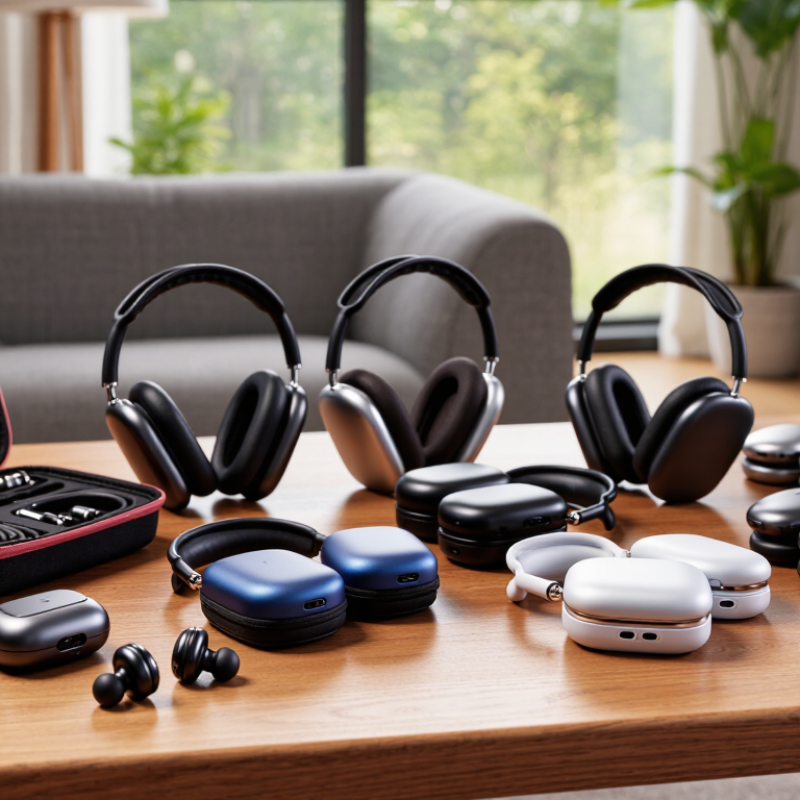
Before comparing headphones, decide where they will be used most: at a desk, on a commute, or during long travel days. Fit matters beyond comfort. A loose seal can weaken bass, while tight clamping may become tiring after an hour. If you wear glasses, check whether the ear cushions press against the frames. Try them for several minutes if possible. Small discomfort grows.
Tips: Check fit with your usual glasses. Look for a secure seal without pressure. For travel, consider weight, folding hinges, and a protective case. A long cable can be useful at a desk, but awkward on a crowded train.
A stated 20 Hz–20 kHz response covers a broad range, but it does not guarantee balanced or detailed sound. Seal, tuning, and your own hearing all affect what you notice. Treat the specification as a basic reference, not a quality score. Portability also involves practical trade-offs: wireless models need charging, while wired ones need a cable and compatible connection. I sometimes focus too much on compact size and overlook cushion comfort. That is an easy mistake. Compare the headphones in the setting you actually use, and allow a little time before deciding.
Bluetooth 5.3 is a useful reference, but it does not guarantee better sound or a longer connection. Actual performance also depends on antenna design, software, and the phone or computer paired with the headphones. A newer headset can connect to an older device, yet some features may not work. The spec sheet can still mislead. Check supported audio profiles, not just the Bluetooth number.
Codecs affect how audio is transmitted. The headphones and playback device must support the same codec for it to be used. Otherwise, they may fall back to a basic shared option. Not always obvious. Look for codec names in both devices’ specifications, and check whether your music app and operating system support them. A high-quality codec may use more power or offer little benefit with compressed audio. Claims about “lossless” wireless sound deserve a careful read.
Regional versions can differ in supported features, app availability, or included accessories. Bluetooth uses the 2.4 GHz band in many markets, but product specifications and regional approvals can still vary. Before ordering, compare the model number on the seller’s listing with the manufacturer’s regional documentation. Check return terms, too. If possible, pair the headphones with your own phone and test a short walk, a video, and a call. I still find codec compatibility easy to overlook. That small detail can change the everyday experience.
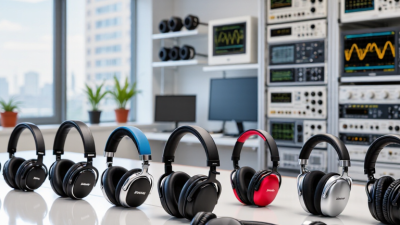
When comparing headphones across markets, start with the measurement sheet, then listen in a quiet room. Frequency response shows how strongly each range is reproduced, from bass rumble to vocal detail. A broad range does not guarantee balanced sound. A 20 Hz–20 kHz claim may look impressive, yet it says little about accuracy. Play a familiar recording and check whether cymbals sound sharp, voices natural, and bass controlled. Keep volume consistent. Loudness can disguise harshness.
Total harmonic distortion, or THD, measures unwanted tones added by the driver. Lower values usually mean cleaner playback, especially during bass-heavy passages. Look for THD figures at specific frequencies and sound levels, not one attractive headline number. A result below 1% can be reassuring, but test methods differ. I would treat missing conditions as a warning, not proof of poor quality. Numbers can mislead.
For active noise cancellation, read the stated dB reduction with context. A claimed 30 dB reduction may apply to narrow low-frequency testing, not traffic, voices, or sudden sounds. Try ANC near an air conditioner, then in a busy street, while staying aware of your surroundings. Listen for pressure, hiss, and changes in bass. Fit matters. Glasses, hair, and loose seals can reduce performance. I have sometimes trusted a high number and felt disappointed during daily use. Measurements guide the purchase, but ears and habits still expose weaknesses.
For global buyers, safety claims should match the exact model and test documents. EN 50332 addresses sound exposure from personal music players and headphones. Ask for test results covering the supplied device-and-headphone combination, not a generic product family. The WHO and ITU’s 2019 safe-listening standard recommends an adult sound allowance of 80 dB for 40 hours weekly, with a lower allowance for children. WHO has also warned that over one billion young people risk hearing loss from unsafe listening practices. Useful context, not a guarantee of safe use.
Check the IP code against how the headphones will be used. Under IEC 60529, IPX4 indicates protection against water splashes; the “X” means no dust-protection rating is stated. A shower or swimming claim needs stronger evidence than a gym-sweat claim. Small detail, big difference. Request the full test report and confirm it applies to the finished product, including its charging case if relevant.
CE marking indicates the manufacturer’s declaration of conformity with applicable European requirements; it is not a universal quality seal. For wireless models sold in the United States, check relevant FCC authorization and documentation. FCC compliance concerns radio-frequency emissions, not hearing safety. Compare model numbers across packaging, declarations, and reports. Paperwork can be confusing, and I would not treat a single certificate screenshot as proof. Ask the supplier to clarify any mismatch before ordering.
A headphone’s sticker price is only the beginning. Compare the cost of replacement batteries, repair parts, and shipping over several years. Check the stated battery cycle rating, but treat it as an estimate, not a promise. Heat, frequent full discharges, and daily use can change how long a battery lasts. Small details matter.
Read the warranty terms before buying. Confirm whether battery wear, faulty charging ports, and accidental damage are covered, and note the claim period. A low-cost model may become expensive if service requires international shipping. Ask whether support is available in your region, in a language you can use, and whether replacement parts are stocked locally. Keep the receipt and warranty confirmation somewhere easy to find.
For a practical comparison, estimate three years of ownership: purchase price, likely battery service, and possible delivery fees. Then compare that figure with a model offering clearer local support. I once focused too much on advertised battery life and overlooked repair access. That was not a great measure of value. Small print can change the math.
| # | Buying tip | What to compare | Practical guidance | Ownership-cost impact |
|---|---|---|---|---|
| 1 | Check battery-cycle information | Published cycle rating, if available, and how the maker defines a cycle. | A cycle generally represents use totaling 100% of battery capacity; it need not happen in one session. There is no universal cycle rating for all headphones. | A stated rating can help estimate battery longevity, but real life also depends on temperature, charging, and usage. |
| 2 | Ask whether the battery can be replaced | User-replaceable battery, authorized repair, parts availability, and repair pricing. | Many wireless headphones have batteries that are not designed for easy user replacement. Confirm the repair route before buying. | A replaceable or repairable battery may avoid replacing the entire product when capacity declines. |
| 3 | Compare battery life under similar conditions | Claimed playback time, noise-cancellation setting, volume, codec, and call use. | Battery-life figures are test-condition dependent. Compare products using the same features and settings where possible. | Longer runtime can reduce charging frequency and make travel use more convenient. |
| 4 | Read the warranty terms for your purchase country | Warranty duration, covered faults, exclusions, proof-of-purchase rules, and claim process. | Warranty periods and consumer rights vary by seller, product, and jurisdiction. Check the terms that apply where you buy and use the headphones. | Clear coverage can reduce eligible repair or replacement costs; accidental damage and ordinary wear may be excluded. |
| 5 | Verify international warranty coverage | Whether service is available outside the purchase country and whether shipping is covered. | A warranty may be limited to the region where the product was sold. Get confirmation for your destination before ordering internationally. | Cross-border shipping, customs charges, or regional restrictions can make a nominal warranty less useful. |
| 6 | Check local service access | Authorized repair locations, support languages, response channels, and service turnaround. | Support availability differs by country. Confirm that repair or customer-service options exist where you live. | Nearby service can reduce shipping time and expense if a repair is needed. |
| 7 | Include replacement parts in your comparison | Availability and price of ear cushions, cables, charging cases, and other wear parts. | Check whether parts can be purchased separately and whether they are sold in your region. | Replaceable wear parts can extend useful life without replacing the whole headset. |
| 8 | Check charging compatibility | Charging connector, included cable, charging requirements, and availability of a wired listening option. | Confirm the charging method works with your existing equipment. Do not assume a wall adapter is included. | Using existing compatible chargers and cables may avoid extra purchases; wired operation can be useful if the battery is depleted. |
| 9 | Calculate the delivered price | Product price, sales tax or VAT, shipping, import duty, and return costs. | For an overseas order, check the final checkout total and who handles duties and taxes. | The listed price may not equal the total amount paid after delivery and import charges. |
| 10 | Compare total cost over your expected ownership period | Purchase total, expected repairs or parts, battery service, and likely replacement timing. | Use the same ownership period for every option. Treat uncertain repair costs as estimates and verify current local prices. | A useful comparison is: delivered purchase price + expected service and parts costs − resale value, if applicable. |
Note: Battery life, repair options, warranty coverage, and consumer protections vary by model, seller, and country. Verify current terms before purchase.