Leave Your Message

10 Best Headphones to Buy in 2026

Choosing among the 10 Best Headphones to Buy in 2026 takes more than chasing a famous brand or a long feature list. The right pair should suit your ears, your routine, and the places where you listen. A commuter may value noise cancellation on a rattling train. Someone working from home may need a clear microphone for calls. At a desk, comfort and reliable wired playback can matter more than flashy extras.

Dr. Sean Olive, an audio researcher known for studying headphone sound and listener preference, offers a useful reminder. In paraphrase: “Good headphone sound depends on both measured performance and listener preference.” That distinction matters. Specifications can reveal battery life, Bluetooth support, and weight, but they cannot tell you whether the earcups will feel warm after an hour. Fit matters. So does the music you actually play.

This guide compares leading wireless and wired options using practical criteria: comfort, sound balance, noise cancellation, call quality, durability, and value. It also considers how each model handles everyday details, from a loose connection on a crowded commute to controls that are hard to find by touch. No pick is universal. Some compromises are easy to miss in a brief store demo, and even careful comparisons cannot predict every listener’s experience. Treat the recommendations as a grounded starting point, then check fit, return terms, and current pricing before buying.
10 Best Headphones to Buy in 2026

Headphone Types and Their Main Differences

Headphone types shape comfort, sound, and where listening works best. Over-ear models surround the ears, often giving a fuller seal and more room for larger drivers. Closed-back designs reduce outside noise; open-back designs let air and sound pass through, which can feel spacious but leaks audio. On-ear headphones rest on the ears, so they are usually easier to carry, though pressure may build during long sessions. In-ear models fit inside the ear and travel lightly. Fit matters.

Wireless headphones offer freedom from cables, while wired models avoid battery limits and can connect directly to compatible audio equipment. Active noise cancellation uses microphones and processing to reduce steady sounds, such as a train’s low rumble. It is less effective against sudden voices. Grand View Research estimated the global headphone market at USD 58.3 billion in 2023 and projected 5.8% annual growth through 2030. That broad market figure does not mean every type suits every listener.

Tips: Match the design to your routine: open-back for quiet rooms, sealed or noise-cancelling styles for commutes, and lightweight in-ear models for pockets. Check the fit for several minutes; small pressure points can become obvious later. The WHO-ITU safe-listening standard recommends adults limit personal-audio exposure to 80 dB for 40 hours weekly. Keep volume moderate, especially in noisy places.
Key Criteria for Choosing Headphones in 2026

Choosing headphones in 2026 starts with where and how you will use them. A commuter may value effective noise reduction, while a desk listener may prefer an open, airy fit. Try them for at least ten minutes if possible. Pressure around the temples often appears after the first song, not in a store mirror.

Sound quality is personal, but a balanced tuning makes voices and instruments easier to follow. Play a familiar track at moderate volume and notice whether bass overwhelms speech or treble feels sharp. Noise cancellation can soften steady engine rumble, though it cannot erase every voice. Transparency mode matters near streets and station platforms. Small details count.

Check comfort, controls, and connection stability before comparing headline features. Physical buttons can be easier with gloves, while touch panels may misread wet fingers. Confirm battery life with noise cancellation enabled, since advertised figures can use different settings. For calls, test the microphone outdoors in a breeze, not only in a quiet room. Consider replaceable cushions and a case that fits your bag. A checklist has a blind spot: comfort may change after an hour, and a quick shop test cannot predict everything. Price is not proof of quality; personal preference can still overturn the neatest comparison chart.

The 10 Best Headphones of 2026 by Use Case

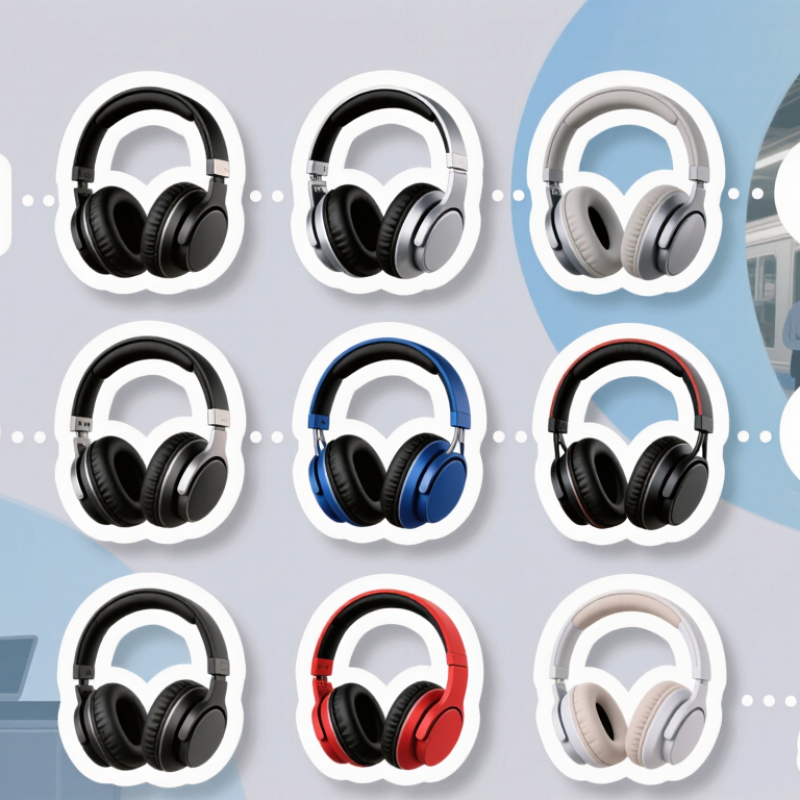
The best headphones in 2026 depend less on a feature list than on where you will wear them. For commuting, choose strong noise cancellation and controls you can use with gloves. Frequent travelers may prefer folding earcups and a replaceable cable. Small details matter. A padded headband can feel very different after three hours. For quiet home listening, open-back headphones can sound spacious, but they leak sound and offer little privacy.

For work calls, look for a clear microphone that handles keyboard noise without making your voice thin. Gym headphones should stay secure during quick turns and resist sweat. Runners may favor open-ear designs, which let more street sound through. For gaming, low-latency wireless or a wired connection helps keep effects in sync. It is easy to overlook comfort while comparing specifications.

Music makers need studio headphones with a balanced presentation, not exaggerated bass. For shared rooms, closed-back earcups limit sound leakage. Budget shoppers can get reliable everyday listening from simple wired headphones, especially when charging is one more task to avoid. Fit is personal; even careful advice can miss the shape of your ears, so try a pair for several minutes if possible.

Comparing Sound Quality, Comfort, Battery Life, and Features

A strong headphone shortlist should balance measurable performance with the way you actually listen. RTINGS’ published testing methodology evaluates frequency response, noise isolation, microphone quality, and battery life. Those measurements help reveal whether bass overwhelms vocals or outside chatter leaks through. Still, a graph cannot tell you how a firm headband feels after an hour. Fit matters. Try the earcups with glasses, and notice pressure around your jaw.

Battery claims need context. Continuous playback tests offer a cleaner comparison than daily use, where calls, noise cancellation, and high volume drain power differently. Look for multipoint connection, physical controls, and a replaceable ear cushion; small details can matter more than another feature menu. I still tend to overvalue bass in quick demos. That is a useful bias to check: familiar songs, moderate volume, and a few genres make comparisons fairer.

Listening safety belongs in the feature check, too. The WHO and ITU’s 2022 Global Standard for Safe Listening Devices recommends a weekly sound allowance of 80 decibels for adults and 75 decibels for children, each over 40 hours. A volume limit can help make that advice practical. Comfort is personal, and published runtime is not a promise. Check the return period before committing.

10 Best Headphones to Buy in 2026

A brand-free comparison of sound quality, comfort, battery life, and features.

Scores are illustrative editorial ratings on a 0–10 scale, not verified test results. Battery-life scores are normalized for comparison; actual playback time varies by model, volume, and features in use.

Matching Headphones to Your Budget and Listening Habits

A good pair of headphones fits your routine, not just your budget. For crowded commutes, closed-back headphones help reduce outside noise, while effective noise cancellation can make bus rides less tiring. Check the controls before buying: tiny buttons are awkward when you’re wearing gloves. Comfort matters, too. A tight headband may feel fine in a shop but become irritating after an hour.

For podcasts and calls, prioritize clear voices, a reliable microphone, and simple device switching. If you mostly listen at home, a comfortable wired pair can offer strong sound without adding battery concerns. On a limited budget, don’t pay extra for features you rarely use. Better padding or replaceable ear cushions may be more valuable than an elaborate app. Small details count.

Think about where your music goes. Open-back designs can sound spacious in a quiet room, but they leak sound and offer little isolation on public transit. Wireless models suit walking and travel; check the stated battery life against your longest typical day. A number on the box is only a guide. Fit varies between people, and sound preferences are personal. I’d leave room in the budget for that uncertainty, because specifications alone can’t predict whether a pair will feel right after lunch.