How to Choose the Best Bluetooth Earphones for Your Needs?
Choosing the right Bluetooth earphones can be a daunting task. With the market flooded with options, making a decision requires careful consideration. According to a recent report by Statista, the global demand for Bluetooth earphones has surged, projected to reach over 300 million units by 2025. This highlights their growing popularity and the need for consumers to make informed choices.
Bluetooth earphones have evolved significantly. They now offer various features, including noise cancellation, sweat resistance, and touch controls. However, not all features may be suitable for every user. Some may require superior sound quality for music, while others might prioritize seamless connectivity for calls. Each person's lifestyle affects their needs, making it essential to assess personal preferences.
Despite the abundance of options, challenges remain. Consumers often face misleading marketing claims. Understanding key specifications can be overwhelming. Research shows that 57% of buyers regret their purchase due to mismatched expectations. It emphasizes the importance of evaluating what you truly need before making a decision. Proper research can lead to the discovery of the perfect pair of Bluetooth earphones that fits your lifestyle.

Understanding Your Listening Preferences and Requirements
Choosing the right Bluetooth earphones often starts with understanding your unique listening preferences. Are you a frequent traveler who values noise cancellation? Or do you prioritize sound quality for music production? Knowing your needs shapes your decision clearly.
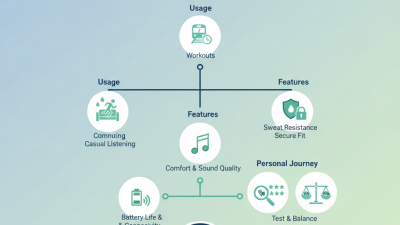
Consider your listening habits. Do you use earphones during workouts? Sweat-resistance is key. If you enjoy long listening sessions, comfort is crucial. Ear tips come in various shapes and sizes. Exploring these options can make a significant difference. For those who appreciate music fidelity, check frequency response and driver types.
Many users overlook battery life. For heavy use, choose earphones that last longer on a single charge. Remember, your lifestyle impacts the durability and functionality you need. Reflecting on these aspects can lead to a more informed purchase. Listening preferences vary, and finding the right fit requires thoughtful consideration. Without it, you might end up disappointed with your choice.
How to Choose the Best Bluetooth Earphones for Your Needs? - Understanding Your Listening Preferences and Requirements
| Feature |
Description |
Importance Level |
Recommended For |
| Battery Life |
Duration of use on a single charge. |
High |
Frequent travelers, daily commuters |
| Sound Quality |
Clarity, balance, and bass response of audio. |
Very High |
Audiophiles, musicians |
| Comfort Fit |
Ease of wear for long durations. |
High |
People with long listening sessions |
| Noise Cancellation |
Ability to block outside noise. |
Medium |
Office workers, public transport users |
| Water Resistance |
Resistance to sweat and moisture. |
Medium |
Fitness enthusiasts, outdoor users |
| Connectivity Range |
Distance over which they can connect to devices. |
Medium |
Users who move around frequently |
| Additional Features |
Touch controls, voice assistant integration, etc. |
Low |
Tech enthusiasts |
Evaluating Battery Life and Charging Options
When selecting Bluetooth earphones, battery life and charging options are crucial. Many users prioritize the duration their earphones can last on a single charge. Recent industry reports indicate that a high-performing pair can offer up to 12 hours of playback. Some models even exceed this, providing around 30 hours with the charging case. However, these numbers can vary significantly between brands. This is where research and personal needs come into play.
Charging solutions also shape your choice. Some earphones feature quick charging, allowing for several hours of playtime with just a 15-minute charge. On the other hand, standard USB-C charging ports are becoming more common, enhancing usability across devices. However, finding a balance between fast charging and battery longevity can be tricky. User reviews often highlight frustrations with models that promise long hours but fail to deliver consistently in real-world usage.
The industry often emphasizes optimal charging practices to extend battery lifespan. Overcharging or failing to update firmware can reduce effectiveness. Awareness of these details can make a significant difference. In the end, your choice will depend on how often and where you plan to use your earphones. Consider exploring various options to identify the best fit for your lifestyle.
Assessing Sound Quality and Performance Features
When choosing Bluetooth earphones, sound quality and performance are crucial. A study by J.D. Power indicated that sound quality is a top priority for 78% of users. Clear highs and rich bass can significantly enhance your listening experience. Look for models that support high-resolution audio codecs, such as aptX and LDAC. These codecs ensure that music retains its original details, appealing to audiophiles and casual listeners alike.
Consider the earphone's noise cancellation capabilities. Industry reports suggest that active noise cancellation can improve audio performance in noisy environments. This feature helps immerse you in music without external interruptions. However, remember that too much noise isolation may make one unaware of surroundings, potentially leading to safety concerns.
When assessing battery life, prioritize models that provide at least eight hours of playback time. Many users find short battery life frustrating during commutes or workouts. A 2022 survey by Consumer Reports found that only 65% of users are satisfied with their earphones' battery performance. Ensure that the earphones you choose can handle your daily routine without constant charging.
Ensure you try different models to find the perfect fit. Acoustic characteristics can vary, and comfort should not be overlooked. An uncomfortable earphone will lead to a poor audio experience, no matter how good the sound quality is.
Considering Comfort and Fit for Long-Term Use
When choosing Bluetooth earphones, comfort and fit should be a priority. Long periods of use can lead to discomfort if the earphones are not designed for your ear shape. Look for options with various ear tip sizes. A good fit will prevent fatigue during extended listening sessions. Soft materials can also enhance comfort.
Consider the weight of the earphones as well. Lightweight options reduce strain on the ears. However, the balance is crucial. Earphones that are too light may lack durability. Try different models to find the right match for you. Assess how they feel after an hour of wear. This assessment can highlight issues that may not be immediately apparent.
The design plays a significant role too. Some earphones are designed to stay in place during movement. Yet, these can sometimes feel tight or restrictive. It’s important to find a pair that feels secure but not overly constraining. Your personal preference and experience matter greatly. Reflecting on all these aspects before purchasing can ensure a better fit for daily use.
Examining Additional Features and Connectivity Options
When choosing Bluetooth earphones, connectivity options and additional features can greatly affect your experience. Look for earphones that support the latest Bluetooth versions. Newer Bluetooth technology offers better range and stability. It can connect to multiple devices, allowing for seamless switching between your phone and laptop.
Compatibility with codecs is another key factor. Some audio codecs improve sound quality and reduce latency. For instance, aptX and AAC can deliver clearer sound, especially during streaming. Additionally, consider earphones with built-in voice assistants. This feature can enhance usability when you're on the go.
Noise cancellation can be a game-changer. It helps block out distractions in public spaces. However, not all noise cancellation is created equal. Some models may create pressure in your ears. This can make for an uncomfortable fit. Evaluate different options. Try them out if possible before making a decision.
Look for earphones with good battery life. Longer battery life means fewer interruptions during your day. In case of low battery, check if they offer a quick charge feature. This can be particularly useful when you're in a rush. Finally, read reviews to see what others think about the sound quality and comfort. It's crucial to find a pair that suits your personal listening preferences.
Bluetooth Earphones Features Analysis
This chart illustrates the evaluation of various features of Bluetooth earphones based on common preferences. Features such as battery life and microphone quality are rated highest, indicating their importance to users.