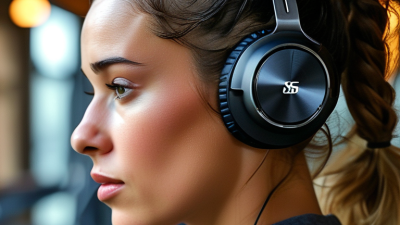
The right Sports Headphones can make a workout feel more focused, whether you are running along a wet sidewalk or lifting in a crowded gym. But comfort matters more than dramatic bass once your ears start to ache. This guide compares ten options for different routines, budgets, and listening preferences. No pair suits everyone.
We look at practical details: fit stability, sweat resistance, battery life, controls, sound, and how easily each model handles calls. A secure earbud should stay put through a set of jumping jacks, while over-ear headphones may feel better during steady indoor cycling. Product specifications can help, but real comfort depends on ear shape, glasses, and personal fit. That part is easy to underestimate.
The list also considers the trade-offs. Some models offer useful noise reduction but may block sounds you want to hear outdoors. Others are lightweight and simple, yet provide fewer adjustments or shorter playback time. We do not treat one feature as proof of overall quality. Instead, the selections are organized to help match headphones to the way you actually train. Check current product details before buying, since features and availability can change. A small caveat: even a well-reviewed pair may feel wrong after twenty minutes. That is worth remembering.
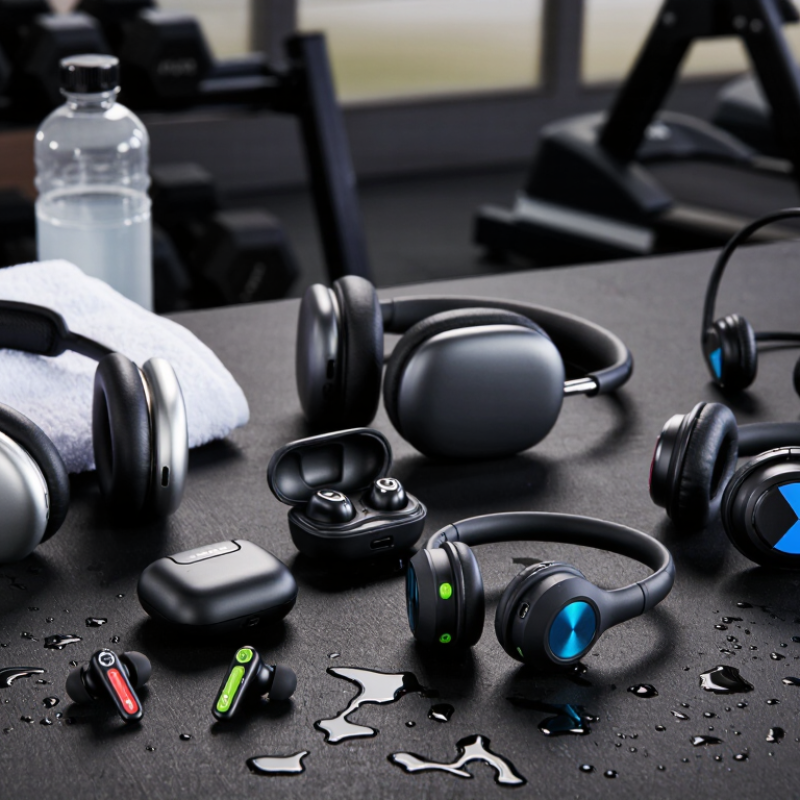
How Sports Headphones Meet the Needs of Different Workouts
A steady treadmill run calls for a secure fit and clear sound that does not distract from breathing. For outdoor running, awareness matters too; open-fit designs can help you hear nearby traffic, though they may leak sound. On the bike, wind can overwhelm weak microphones, so call quality may matter more than extra bass. Fit matters.
Strength sessions bring a different challenge. Earbuds should stay put during rows and overhead presses, while simple controls help between sets. Sweat resistance is useful, but check the device’s stated rating rather than assuming every model handles heavy perspiration. The ACSM’s 2024 Worldwide Survey of Fitness Trends ranked wearable technology first among 45 trends. That finding reflects growing interest in tracking, not proof that headphones improve performance. Still, workout-friendly controls and reliable connections can make tracking easier.
For interval training, quick access to volume and playback helps when your hands are damp. Long hikes or endurance sessions favor comfortable designs and dependable battery life. Keep volume moderate: the WHO-ITU safe listening standard recommends adults limit personal audio exposure to 80 decibels for up to 40 hours weekly. Real-world fit varies, and ratings cannot predict comfort for every ear. That part is easy to overlook.
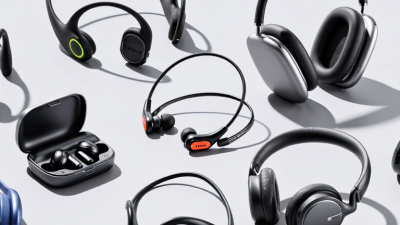
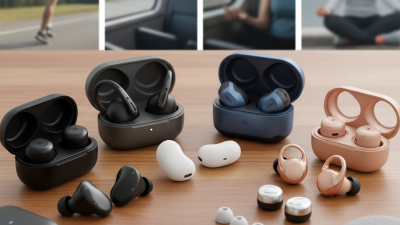
Choosing sports headphones starts with the workout. Lightweight in-ear models suit running and gym sessions, while ear hooks can feel steadier during jumps. Open-ear designs leave the ear canal clear, which can help you hear nearby activity outdoors. Their sound may feel less powerful in a noisy gym. Over-ear headphones can work for stationary training, but heat and movement may make them uncomfortable. Fit matters most.
Look for secure placement, simple controls, and enough battery life for your usual routine. A physical button may be easier to use with sweaty fingers than a touch panel. Check the product’s stated water-resistance rating; sweat resistance does not mean a device is waterproof. Noise cancellation can reduce gym distractions, but consider whether you need to hear people or traffic around you. Comfort is personal, and even a well-reviewed pair may press awkwardly after an hour.
Tips: Test the fit with a few minutes of movement before a long session. Keep the volume moderate, especially outdoors. Wipe headphones dry after exercise and let them air out before charging. Small details count. Ear tips can loosen over time, and replacing them may solve slipping better than buying a new pair.
| Headphone Type | Best For | Fit and Comfort | Useful Features | Workout Considerations |
|---|---|---|---|---|
| Wireless Sports Earbuds | Gym sessions, commuting, and everyday training | Compact, cable-free design; choose ear tips that create a secure seal. | Bluetooth connection, built-in microphones, and charging case. | Check the stated water-resistance rating and clean the tips regularly. |
| Ear-Hook Earbuds | Running, interval training, and high-impact exercise | Hooks loop around the ears to help keep earbuds in place. | Secure fit, wireless listening, and controls for calls or playback. | Make sure the hooks fit comfortably with glasses and do not rub during movement. |
| Neckband Earphones | Long training sessions and people who prefer a connected pair | A lightweight band rests around the neck, with earbuds connected by short wires. | Less risk of dropping an earbud; some designs offer physical buttons. | Check that the band stays comfortable and does not bounce during running. |
| Bone-Conduction Headphones | Outdoor exercise where hearing surrounding sounds matters | Transducers rest near the cheekbones, leaving the ear canals uncovered. | Open-ear listening and awareness of ambient sounds. | Sound may be less immersive, especially in noisy environments; keep volume sensible. |
| Open-Ear Air-Conduction Earbuds | Road running, walking, and people who dislike in-ear tips | Rest at or just outside the ear rather than sealing the ear canal. | Comfortable open fit and awareness of nearby sounds. | They may leak sound and can be harder to hear in loud gyms or traffic. |
| Water-Resistant In-Ear Headphones | Sweaty workouts and training in light rain | In-ear seal can help keep the headphones stable during movement. | Look for a clearly stated ingress-protection rating; IPX4 indicates protection against splashing water. | A water-resistance rating does not automatically mean the headphones are suitable for swimming. |
| Swim Headphones | Lap swimming and pool training | Designed to stay secure in water, often paired with a swim cap or goggles. | Waterproof construction and, in some models, built-in storage for offline audio. | Bluetooth signals do not travel reliably through water, so many designs use onboard audio storage. |
| Lightweight On-Ear Headphones | Stationary cycling, warm-ups, and light strength training | Cushioned ear cups rest on the ears; fit varies with headband pressure. | Larger controls and ear cups than most earbuds; available in wired or wireless designs. | Can feel warm or shift during vigorous movement; check for a secure, comfortable fit. |
| Noise-Cancelling Earbuds | Indoor gyms and focused workouts in noisy spaces | Usually use sealed ear tips; a stable fit supports consistent noise reduction. | Active noise cancellation can reduce some steady background sounds; transparency modes let outside sound in. | Use a transparency mode or disable noise cancellation when awareness of surroundings is important. |
| Wired Sports Earphones | Budget-conscious workouts and devices with a compatible audio connection | No battery is needed for audio, though the cable must be managed during exercise. | Simple operation and no wireless pairing required. | Confirm device compatibility and secure the cable to reduce snagging or bouncing. |
| Buying tip: Prioritize a secure, comfortable fit and check the headphone’s stated water-resistance rating, battery life, and device compatibility before buying. | ||||
Judge sports headphones by fit, moisture protection, comfort, and safe listening—not bass alone. During a run, loose earbuds can shift with every footfall; during strength training, a headband may snag or press beneath a cap. Try them while moving, not only while seated. Check the stated IP rating against IEC 60529, which classifies dust and water protection. An IPX4 rating indicates splash resistance, not submersion. Sweat exposure still varies with fit, seal, and wear. Fit comes first.
Test stability with short sprints, jumps, and head turns. Then check whether buttons remain usable with damp fingers and whether the cable or ear hooks rub. Compare battery life using your usual volume and noise-control settings; advertised results may not match a sweaty, high-volume session. The WHO-ITU Global Standard for Safe Listening (2022) recommends adults limit listening to 80 dB for 40 hours weekly. Treat that as a ceiling, not a workout target. A tight seal can improve sound, but may make outdoor traffic harder to hear.
Tips: Start at low volume and raise it only as needed. Check comfort after 20 minutes, when pressure points become clearer. If one feature feels wrong, it probably will during a longer workout.
A useful top ten for workout headphones includes secure in-ear buds, wingtip buds, ear-hook designs, open-ear sets, bone-conduction styles, neckband models, lightweight over-ear headphones, wired options, long-battery models, and pairs with physical controls. Each suits a different routine. Ear hooks can stay put during jump squats, while open-ear designs let runners hear nearby traffic. Bone-conduction models leave the ear canal uncovered, though their sound may feel less full. Fit matters.
For strength training, physical buttons are easier to press with damp fingers than tiny touch controls. On a treadmill, a secure seal can help keep music audible without raising the volume excessively. Swimmers need headphones specifically designed for water use; ordinary sweat resistance is not the same thing. Check the maker’s water-resistance guidance before buying. Small detail, big difference.
Comfort is personal, and product descriptions cannot predict every ear shape. Try a short walk before committing to a long run, if returns are allowed. Listen for looseness, rubbing, and pressure after twenty minutes. Battery life also changes with volume and features, so treat advertised hours as estimates. I once thought the lightest pair would always win; it didn’t. A stable fit mattered more. Choose for your actual workout, not an idealized routine.
Water resistance is one factor to consider when choosing headphones for exercise. Compare common IP water-protection ratings below.
How to read this chart: The bars show the water-protection code digits, not performance scores; the scale is categorical, not linear. IPX4 indicates protection from splashing water, IPX5 from water jets, IPX6 from powerful water jets, and IPX7 from temporary immersion under specified test conditions. Check a product’s published rating and manufacturer guidance before use.
Top 10 Best Sports Headphones for Every Workout
Choose headphones for the movement you actually do. Secure earbuds may suit running, while lightweight on-ear styles can feel cooler during indoor strength sessions. If you train outdoors, consider whether you need to hear nearby traffic and people. Sweat resistance is useful, but check the product’s stated rating rather than assuming every workout model handles heavy moisture. Comfort matters more than extra features. A slightly imperfect fit can become distracting fast.
Fit matters. Try different ear tips, then jog in place and turn your head. The headphones should stay put without pressure or soreness. Don’t push earbuds deep into your ears. Controls should be easy to use with damp hands, but avoid changing settings while crossing streets or handling weights. If one side keeps slipping, adjust the tip size before tightening the fit.
Tips: Wipe headphones with a soft, slightly damp cloth after sweaty sessions. Let them air-dry fully before charging or storing them. Keep the case clean, too. Follow the care instructions for your specific model; cleaning methods can vary. I’d rather spend a minute drying them than rush and risk damaging them.