Leave Your Message

Top 10 Types of Sports Headphones for Global Buyers

Sports Headphones are no longer simple workout accessories. They support running, cycling, strength training, commuting, and recovery sessions. Buyers now compare fit, battery life, sweat resistance, wireless stability, and safety awareness.

Industry data shows why this category deserves careful evaluation. Grand View Research reported continued expansion in the global headphones market, driven by wireless adoption and mobile audio use. Future Market Insights also identifies rising demand for sports headphones, especially models with secure designs and water resistance. Meanwhile, the World Health Organization warns that unsafe listening levels can damage hearing, making volume control and listening breaks important purchasing factors. These reports provide useful direction, although market estimates differ by research method and regional coverage.

This guide examines the top 10 types of Sports Headphones for global buyers. It considers open-ear, bone-conduction, true wireless, neckband, over-ear, and other practical formats. Each type creates a different experience. A trail runner may value environmental awareness. A gym user may prefer a stable in-ear seal. A long-distance cyclist may prioritize battery endurance over compact size. Small details matter, such as buttons that work with wet fingers or ear hooks that remain secure during sudden movement.

Not every popular feature is essential. That deserves reflection. Active noise cancellation can improve focus, but it may reduce awareness near traffic. Water resistance ratings also require careful interpretation, because sweat, rain, and immersion are not identical conditions. By comparing professional data with real-use demands, global buyers can choose more reliably and avoid paying for features they will rarely use.
Top 10 Types of Sports Headphones for Global Buyers

What Defines Sports Headphones for Global Buyers

Sports headphones are defined by movement, not appearance. Global buyers may choose true wireless, open-ear, bone-conduction, neckband, or over-ear designs. The real test is stability during sweat, sudden turns, and uneven ground. An IPX4 rating can resist splashes, but it does not guarantee protection from heavy rain or saltwater. That distinction is often missed.

The 2024 ACSM Worldwide Survey ranked wearable technology as the leading fitness trend, showing how closely training now connects with personal devices. Yet sports headphones need more than smart features.

WHO’s 2022 Global Standard for Safe Listening recommends no more than 80 decibels for 40 hours weekly among adults. Volume limits therefore matter, especially for daily runners and gym users.

Open-ear designs can help users hear traffic and nearby voices, while sealed models may deliver stronger bass and passive isolation. Neither choice is perfect.

In field testing, fit usually matters more than codec support. A loose earbud becomes useless after ten minutes. Physical controls can be safer than touch panels with wet fingers. Battery claims also deserve caution, because high volume, cold weather, and calls reduce actual runtime. Buyers in humid regions should inspect charging-port protection and cleaning guidance. I would not treat every “sport” label as proof of durability. Standards help, but real-world use remains messier.
In-Ear and True Wireless Headphones for Active Training

For global buyers, sports headphones should match movement, weather, and training habits, not just advertised sound quality. In-ear models with soft ear tips can stay secure during running, rowing, or strength sessions. A correct seal improves bass and reduces the urge to raise volume near busy roads. That matters for comfort and hearing safety. True wireless headphones remove cable drag and offer independent controls for each ear. However, small housings can loosen when sweat changes the fit. No design is perfect.

Look for a published water- or sweat-resistance rating, then read its limits carefully. A rating may cover splashes, not swimming or saltwater exposure. For active training, test stability with jumping and quick head turns before outdoor use.

Useful features include transparent listening modes, physical controls, stable Bluetooth connections, and charging cases with clear battery indicators. Noise reduction helps in gyms, yet full isolation can reduce awareness near traffic or shared equipment. Battery claims also deserve skepticism. High volume and calls can shorten real use. A short fitting test can mislead anyone.

Tips: Choose ear tips in several sizes and wipe them after every sweaty session. Test one full workout, not just ten quiet minutes. Keep your surroundings audible near roads. Store the earbuds dry, and inspect charging contacts regularly. Small details often decide whether a headset becomes reliable training equipment or stays unused in a drawer.

Open-Ear, Bone-Conduction, and Air-Conduction Headphones

For global buyers, sports headphones now divide into three practical designs: open-ear, bone-conduction, and air-conduction. Open-ear models sit beside the ear, leaving the canal unobstructed. Bone-conduction units send vibrations through the cheekbones. Air-conduction designs direct sound toward the ear without sealing it. The labels overlap. That still confuses buyers. Grand View Research estimated the global headphones market at USD 58.3 billion in 2023, with a 5.7% projected CAGR from 2024 to 2030. Such growth encourages variety, but forecasts are not guarantees.

Open-ear headphones suit runners who need traffic and conversation awareness. Bone conduction can work well with helmets or glasses, yet bass usually feels lighter. Air-conduction models often sound fuller, though wind can reduce clarity. In product testing, stability matters more than maximum volume. A loose ear hook becomes irritating after thirty minutes. Check clamp pressure, charging protection, microphone performance, and the stated water-resistance rating. Sweat exposure is not the same as swimming.

The World Health Organization reported in its 2021 World Report on Hearing that over 1.5 billion people live with hearing loss. It projects nearly 2.5 billion by 2050. That makes listening habits relevant, even during training. Keep volume moderate and take quiet breaks. No design is universally safest. Open-ear awareness can also tempt users to raise volume near roads or windy beaches. I would compare fit, environment, and hearing comfort before chasing novelty.

Top 10 Types of Sports Headphones for Global Buyers - Open-Ear, Bone-Conduction, and Air-Conduction Headphones
Type Sound Delivery Typical Sports Use Environmental Awareness Typical Water Resistance Typical Battery Range Main Advantages Key Limitations Best Buyer Profile
1. Open-Ear Directional Air-Conduction Headphones Speakers sit outside the ear canal and direct sound toward the ears. Running, cycling, walking, commuting, and outdoor training. Excellent Usually IPX4–IPX5; some models offer higher protection. Approximately 6–12 hours per charge. Leaves the ear canal open, improves situational awareness, and is generally comfortable for long sessions. Sound leakage is possible; bass and clarity may decrease in noisy environments. Outdoor athletes who need to hear traffic, people, or instructions.
2. Bone-Conduction Headphones Transmits vibrations through the cheekbones while bypassing the outer and middle ear. Road running, trail running, cycling, hiking, and safety-focused training. Excellent Commonly IP55–IP67; swimming suitability depends on the specific model. Approximately 6–10 hours per charge. Open ears, strong awareness of surroundings, and no in-ear pressure. Usually has less deep bass and lower maximum detail than sealed in-ear designs; vibration may be noticeable at high volume. Users prioritizing safety, awareness, and comfort over high-fidelity music.
3. Open-Ear Clip-On Air-Conduction Earphones Small external speakers attach near the ear with a clip-style structure. Fitness classes, walking, gym workouts, and casual running. Very good Often IPX4–IPX5. Approximately 5–10 hours per charge. Lightweight, discreet, and does not block the ear canal. Fit can vary with ear shape; wind noise and sound leakage may affect performance. Buyers seeking a compact open-ear alternative to conventional earbuds.
4. True Wireless In-Ear Sports Earbuds Sealed or semi-sealed drivers sit inside the ear canal without connecting wires. Gym training, running, strength training, and indoor sports. Limited to good Commonly IPX4–IPX7, depending on the model and charging case. Approximately 5–12 hours per charge; charging cases commonly provide additional recharges. Portable, widely available, and capable of strong bass and clear detail. May reduce awareness and can loosen during intense movement if the fit is poor. Users who want compact size, strong sound, and cable-free convenience.
5. Secure-Fit In-Ear Earbuds with Ear Hooks In-ear drivers are supported by flexible hooks around the outer ear. Running, interval training, court sports, and high-impact workouts. Limited to good Typically IPX4–IPX7. Approximately 6–12 hours per charge. More stable than standard earbuds during vigorous movement; often provides effective passive noise isolation. Can feel warmer or less comfortable around the ear; sealed fit may reduce awareness. Athletes who need a secure fit for fast or repetitive movement.
6. Wireless Neckband Sports Headphones Earbuds connect to a flexible band worn around the neck. Running, travel, gym workouts, and long training sessions. Limited to good Often IPX4–IPX5; the control module may require extra protection. Approximately 8–20 hours per charge. Long battery life, low risk of losing individual earbuds, and easy control access. The neckband is less compact than true wireless designs and may move during some activities. Buyers who value battery life and security over minimal size.
7. Wireless On-Ear Sports Headphones Small earcups rest on the outer ear without fully enclosing it. Indoor cycling, gym workouts, walking, and general fitness. Good Often IPX2–IPX4; sweat protection varies significantly. Approximately 15–40 hours per charge. Long battery life, larger controls, and less ear-canal pressure than in-ear products. Can become warm or shift during running; usually less resistant to heavy rain. Indoor exercisers and buyers who prefer traditional earcup controls.
8. Wireless Over-Ear Sports Headphones Large cushioned earcups surround the ears and provide sealed or semi-sealed playback. Indoor training, stationary cycling, walking, and post-workout recovery. Low Usually not designed for heavy sweat or rain; some offer basic moisture resistance. Approximately 20–60 hours per charge. Strong sound quality, powerful bass, comfort during low-impact sessions, and effective passive isolation. Bulky, warm, and less suitable for outdoor safety or high-intensity exercise. Indoor users prioritizing audio immersion and long battery life.
9. Swimming Headphones with Built-In Audio Storage Uses waterproof earbuds or bone-conduction transducers and stores audio internally. Swimming, open-water training, water aerobics, and triathlon practice. Not applicable underwater Commonly IPX8 or a manufacturer-rated swimming specification; Bluetooth usually does not work reliably underwater. Approximately 6–12 hours of stored-audio playback. Designed for submersion and can play music without a continuous wireless connection. Streaming is generally unavailable underwater; audio control and fit may be less convenient. Swimmers who need audio during pool or open-water sessions.
10. Wired In-Ear Sports Headphones Wired in-ear drivers connect directly to a compatible audio source. Gym workouts, treadmill sessions, travel, and activities where charging is inconvenient. Limited Often IPX2–IPX5; connector protection is important. Not applicable; no internal battery required. No charging needed, low latency, consistent connection, and often lower purchase cost. The cable can snag or tangle, and many newer devices require an adapter. Buyers who prioritize reliability, low latency, and unlimited playback time.

On-Ear and Over-Ear Headphones for Extended Workouts

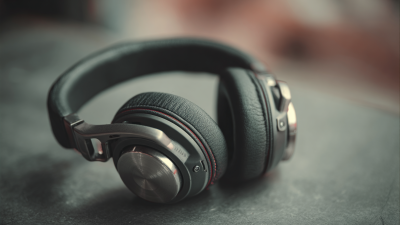
On-ear and over-ear headphones remain practical choices for extended workouts, especially when comfort matters more than minimal size. On-ear models rest on the ear, reducing heat, but clamp pressure can become noticeable after an hour. Over-ear cups feel softer and usually provide steadier bass, yet they may trap sweat during rowing, cycling, or treadmill sessions. Fit should stay secure during head turns, not merely during a shop trial. Small details matter: breathable pads, a stable headband, physical controls, and a cable-free design reduce interruptions.

ACSM’s 2024 Worldwide Survey of Fitness Trends ranked wearable technology first, showing how closely training now connects with personal devices. Headphones fit this ecosystem through timers, coaching cues, and heart-rate audio prompts. However, louder is not better. The World Health Organization’s World Report on Hearing warns that more than one billion young people risk hearing damage from unsafe recreational listening. For long sessions, buyers should seek volume limiting, transparent controls, and occasional quiet intervals. Try them sweaty. That changes everything.

Global buyers also need to compare sweat resistance with actual workout conditions, because “water resistant” does not always mean showerproof or pool-safe. Over-ear designs suit controlled indoor training, while lighter on-ear sets may work better for hot outdoor walks. Battery claims deserve skepticism; high volume, cold weather, and calls can reduce runtime. I would test pressure points after 45 minutes, although many product reviews stop too early. That is a weakness worth admitting. Comfort is personal, and no specification fully predicts it.

Comparing Ten Sports Headphone Types by Use, Fit, and Features

Top 10 Types of Sports Headphones for Global Buyers

Sports headphones differ sharply by use, fit, and features.

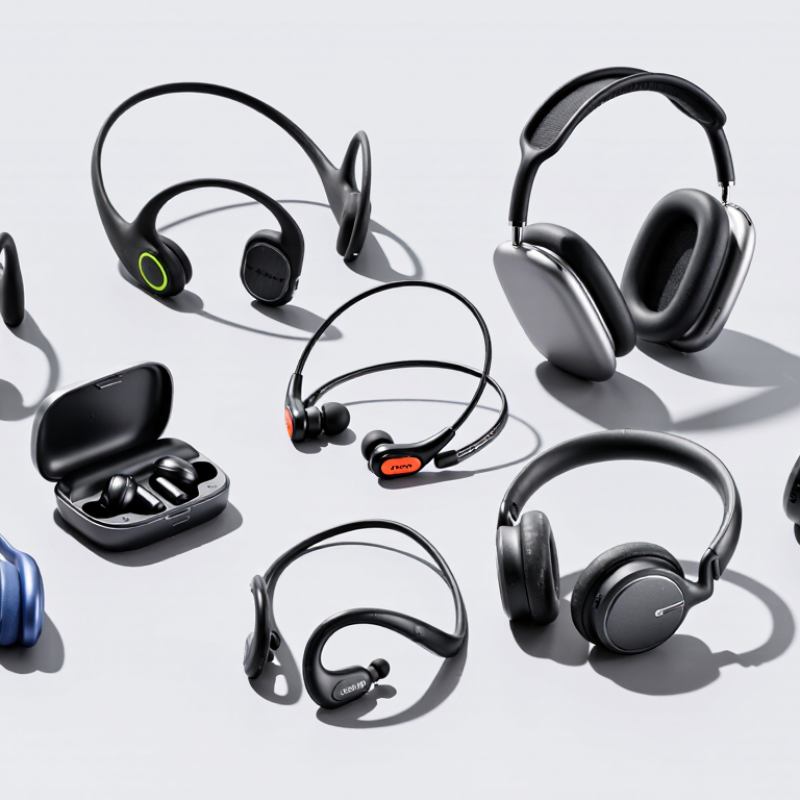
Wired in-ear models suit runners wanting low cost and zero battery anxiety. True wireless earbuds offer freedom, charging cases, and compact storage. Neckband headphones stay connected during commuting and moderate workouts. Open-ear models preserve environmental awareness for road cycling. Bone-conduction sets leave the ear canal open, but bass can feel weaker.

Ear-hook designs improve stability during sharp movements. On-ear headphones provide lighter coverage than over-ear models. Over-ear sets deliver stronger isolation for indoor training. Swimming headphones require waterproof construction and secure memory storage. Smart sports headphones add heart-rate or coaching functions, though sensor accuracy needs checking.

Fit decides comfort before specifications do.

Earbud tips should seal without painful pressure. Ear hooks must hold firmly without rubbing the outer ear. Open-ear frames can feel safer near traffic, but loud surroundings reduce detail. Over-ear cushions may become hot after forty minutes. I have found that sweat changes fit more than advertised. Small design flaws become obvious during intervals.

Feature claims also need context.

The International Electrotechnical Commission recommends keeping listening levels controlled, while the World Health Organization reports that over 1.5 billion people live with hearing loss worldwide. Battery life matters, but charging speed may matter more for daily athletes. A 2024 Grand View Research report identifies wireless audio as a continuing growth category through 2030. However, market growth does not prove better sports performance. Buyers should compare IP water resistance, microphone quality, controls, codec support, and return policies. No model wins everywhere.