
Leave Your Message
Engineered for cyclists. Built for safety. Designed for performance.
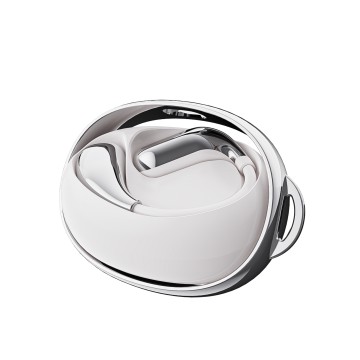
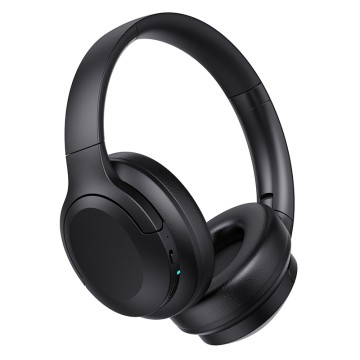
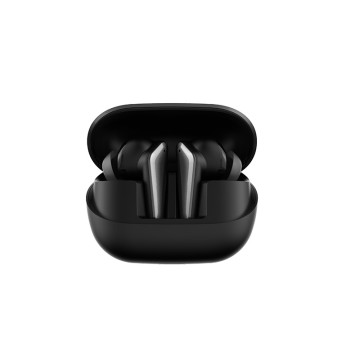
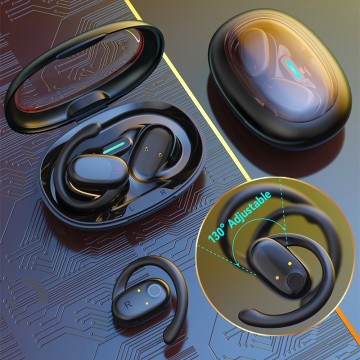
The wireless earbuds market for outdoor sports and cycling safety is one of the fastest-growing segments in consumer audio.
Cycling has evolved from a weekend hobby into a global lifestyle movement. With millions of commuters, competitive athletes, and recreational riders hitting roads and trails every day, the demand for audio solutions that enhance — rather than compromise — rider safety has never been higher. Wireless earbuds designed specifically for outdoor cycling safety sit at the intersection of consumer electronics, sports science, and urban mobility, making them one of the most strategically important product categories in the audio industry today.
Traditional earbuds were built for passive listening: sealed ear canals, maximum noise isolation, deep bass. For a cyclist navigating city traffic, mountain descents, or group rides, that design philosophy is not just inconvenient — it can be genuinely dangerous. The inability to hear approaching vehicles, warning calls from fellow riders, or sudden environmental changes has contributed to a growing number of cycling accidents worldwide. This reality has driven both regulatory attention and rapid product innovation.
In the cycling audio segment, situational awareness has replaced pure sound quality as the primary purchase driver. Brands and OEM partners that understand this shift are capturing the fastest-growing share of the sports earbuds market.
The commercial ecosystem around wireless earbuds for outdoor cycling safety has matured significantly over the past five years. What was once a niche product category dominated by a handful of specialist brands has expanded into a multi-billion-dollar segment attracting investment from major consumer electronics manufacturers, cycling apparel companies, and smart mobility startups alike.
From an OEM and ODM perspective, the cycling safety audio market presents compelling opportunities. Cycling brands — from premium road bike manufacturers to mass-market e-bike platforms — are increasingly seeking white-label audio solutions they can bundle with their products or sell under their own brand identity. This has created strong demand for flexible manufacturing partners capable of delivering customized wireless earbuds that meet specific safety, durability, and connectivity requirements.
Regulatory frameworks are also shaping the commercial landscape. Several European countries have introduced or are considering legislation limiting the use of fully occluding earphones while cycling. This has accelerated the shift toward open-ear and bone-conduction designs, which allow ambient sound to pass through while still delivering audio content. Manufacturers who have invested early in these technologies are now well-positioned to serve both consumer and B2B channels.
The engineering challenges of building wireless earbuds for outdoor cycling safety are distinct from those of general consumer audio. The following technologies are defining the current generation of cycling-safe earbuds:
Open-ear designs and bone-conduction transducers deliver audio without blocking the ear canal, preserving full ambient awareness. Cyclists can hear traffic, other riders, and environmental cues while enjoying music or navigation prompts.
The latest Bluetooth 5.4 standard delivers ultra-low latency, extended range up to 30 meters, and significantly improved connection stability — critical for cyclists who need reliable audio during high-speed descents or in urban RF-congested environments.
Dedicated wind-noise suppression algorithms and directional microphone arrays ensure clear hands-free calling even at speeds above 40 km/h, enabling cyclists to communicate safely without stopping.
Outdoor cycling exposes audio devices to sweat, rain, dust, and mud. IPX5 and above ratings ensure reliable operation across all weather conditions, extending product lifespan and reducing warranty claims for OEM partners.
Long-distance cyclists and commuters require earbuds that last entire rides without recharging. Products offering 15+ hours of playtime with fast-charge cases are becoming the baseline expectation in the cycling safety segment.
Soft silicone ear hooks, over-ear stabilizers, and ergonomic concha-fit designs prevent earbuds from dislodging during aggressive riding, sprinting, or off-road terrain — a critical safety feature that prevents distraction caused by adjusting audio devices mid-ride.
The wireless earbuds for outdoor cycling safety category is not standing still. Several converging technology and market trends are set to redefine what these products can do over the next three to five years.