Leave Your Message
Designed for low-latency transmission, precision acoustic seal, and ultra-crisp tactical communications under competitive stress.
The transition from casual consumer peripherals to specialized industrial-grade acoustic tools for competitive esports arenas.
In modern Tier-1 electronic sports tournaments, such as the League of Legends World Championship, Dota 2 The International, and CS:GO Majors, audio gear is not simply an entertainment accessory—it is competitive infrastructure. Large-scale stadiums accommodate over 15,000 spectators generating sound pressure levels (SPL) exceeding 100 to 110 decibels. Amid roaring crowds, booming subwoofers, and dynamic play-by-play arena casting, players must detect subtle audio cues: distant footsteps, weapon reload mechanics, and positional abilities rendered in 3D spatial space.
Consequently, professional tournament organizations mandate stringent audio isolation standards. In many sanctioned competitions, players wear dedicated in-ear monitors (IEMs) for game sound, coupled with high-grade industrial noise-dampening over-ear headsets running active stage noise cancellation or calibrated white-noise masking. This dual-layer acoustic containment ensures zero external audio leakage that could otherwise convey unfair competitive intel or distract athletes during microsecond clutch plays.
The global e-sports headset market has grown far beyond off-the-shelf consumer retail. Hardware brands, professional gaming organizations, and venue infrastructure providers increasingly require specialized OEM and ODM partnerships capable of designing custom acoustic architectures. The rapid advancement of Bluetooth 5.4 protocols, ultra-low latency proprietary 2.4GHz RF chipsets, and dual-microphone Environmental Noise Cancellation (ENC) algorithms has established a new commercial benchmark.
Original Equipment Manufacturers (OEMs) must deliver customized shell toolings, high-permeability protein memory foams, and specialized structural dampening cavities capable of heat dissipation during 8-hour daily scrimmages. Brand owners seek differentiated value through custom acoustic curves—tuning frequency responses to amplify midrange acoustic transients (1kHz - 4kHz) where positional information resides, while suppressing low-frequency auditory masking caused by explosive sound effects.
Moreover, white-label branding, customized micro-switch integration, and hybrid wireless/analog interfaces have turned audio equipment sourcing into a core strategic asset for competitive lifestyle brands globally.
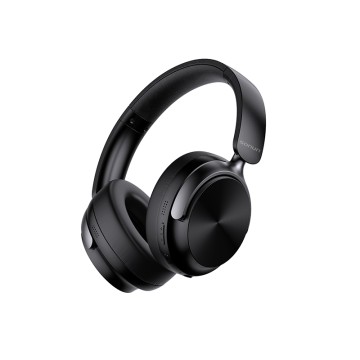
High-density visco-elastic foam coupled with ergonomic multi-axis gimbal yokes distributes clamping pressure evenly, eliminating bass leaks and shutting out mid-to-high frequency ambient chaos.
Utilizing feedforward and feedback microphone arrays, intelligent DSP chips invert arena roar and air-conditioning low-frequency hum with zero latency impact on crucial gaming communications.
Next-generation Bluetooth 5.4 and private-channel 2.4GHz RF wireless pipelines ensure perfect lip-sync, immediate auditory response, and mission-critical voice coordination without wired tethering.
Analyzing the specialized sound engineering prerequisites across different professional gaming environments.
On stage, the acoustic environment is hostile. Pyrotechnics, screaming audiences, and amplified casting reverberate across the arena floor. If noise penetrates the earcups, speech intelligibility drops dramatically, forcing teammates to shout and inducing vocal strain and cognitive exhaustion. E-sports noise dampening headphones deployed in this scenario feature heavy passive attenuation cavities made from dense acoustic polycarbonates, complemented by directional beamforming ENC microphones. These microphones capture only the player's immediate vocal cavity while canceling out sound waves originating beyond a 5-centimeter proximity radius.
In high-intensity training centers, five to ten players sit within elbow reach for 10 to 14 hours a day. Mechanical keyboard clatter, rapid mouse clicks, and side-by-side callouts generate a noisy internal room profile. Headphones designed for pro bootcamps emphasize lightweight composite headbands, breathable cooling-gel ear cushions, and balanced neutral frequency reproduction. This allows players to hear the exact mix of in-game audio and Discord/TeamSpeak communication without ear fatigue, hyperbaric discomfort, or sweat accumulation.
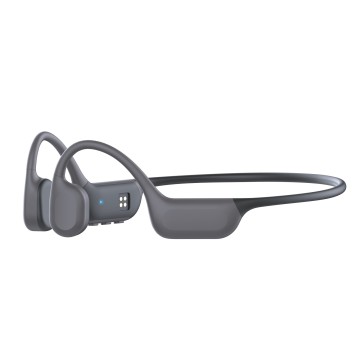
The explosive rise of mobile gaming championships (such as PUBG Mobile, Free Fire, and Honor of Kings) demands ultra-portable, high-efficiency noise isolation. Mobile competitors rely on lightweight low-latency Bluetooth 5.4 over-ear headsets or hybrid bone-conduction/in-ear configurations. These units must maintain rock-solid wireless stability in convention halls packed with tens of thousands of active 5G smartphones and Wi-Fi networks, using adaptive frequency hopping to prevent signal interruption.
E-sports shoutcasters and analysts operate in glass booths adjacent to the stage or directly on the broadcast floor. Their headphones require broadcast-grade condenser mic capsules with integrated pop-filtering alongside superior acoustic back-damping. The earpieces must prevent monitor bleed into the hot microphone while providing real-time side-tone monitoring so casters can regulate their own vocal modulation during thrilling match turnarounds.
How artificial intelligence, spatial HRTF modeling, and advanced metallurgy are shaping the future of competitive audio gear.
Traditional noise gating often clips the beginning or end of crucial speech syllables during panicked callouts. Next-generation gaming headsets are embedding dedicated neural network processing units (NPUs) directly into the headset DSP. Trained on millions of noisy acoustic environments, these algorithms differentiate human voice pitch from mechanical keyclicks, fan hum, and background chatter in real time, transmitting clean, broadcast-ready voice even when the player whispers.
Furthermore, AI-driven Head-Related Transfer Function (HRTF) personalization uses computational photography to map the user's outer ear geometry via a smartphone camera. This produces a customized 3D spatial soundstage that enables pinpoint localization of opponents sneaking above, below, or behind the player with unmatched directional accuracy.
While standard dynamic drivers (40mm-50mm) dominate retail headphones, competitive e-sports hardware is transitioning toward ultra-thin planar magnetic arrays and nano-graphene coated diaphragms. These materials possess near-zero transient inertia, meaning the speaker cone starts and stops vibrating instantly when an electrical impulse is received. The acoustic result is razor-sharp detail rendering: explosions do not smear the acoustic signature of footfalls, and the dynamic range between ambient environmental sounds and tactical alerts remains completely distinct.
Coupled with titanium alloy frames, modular swappable battery systems, and multi-protocol simultaneous connectivity (2.4GHz + Bluetooth 5.4 + 3.5mm analog), the modern e-sports headset has transformed into a sophisticated computing device designed for continuous acoustic victory.
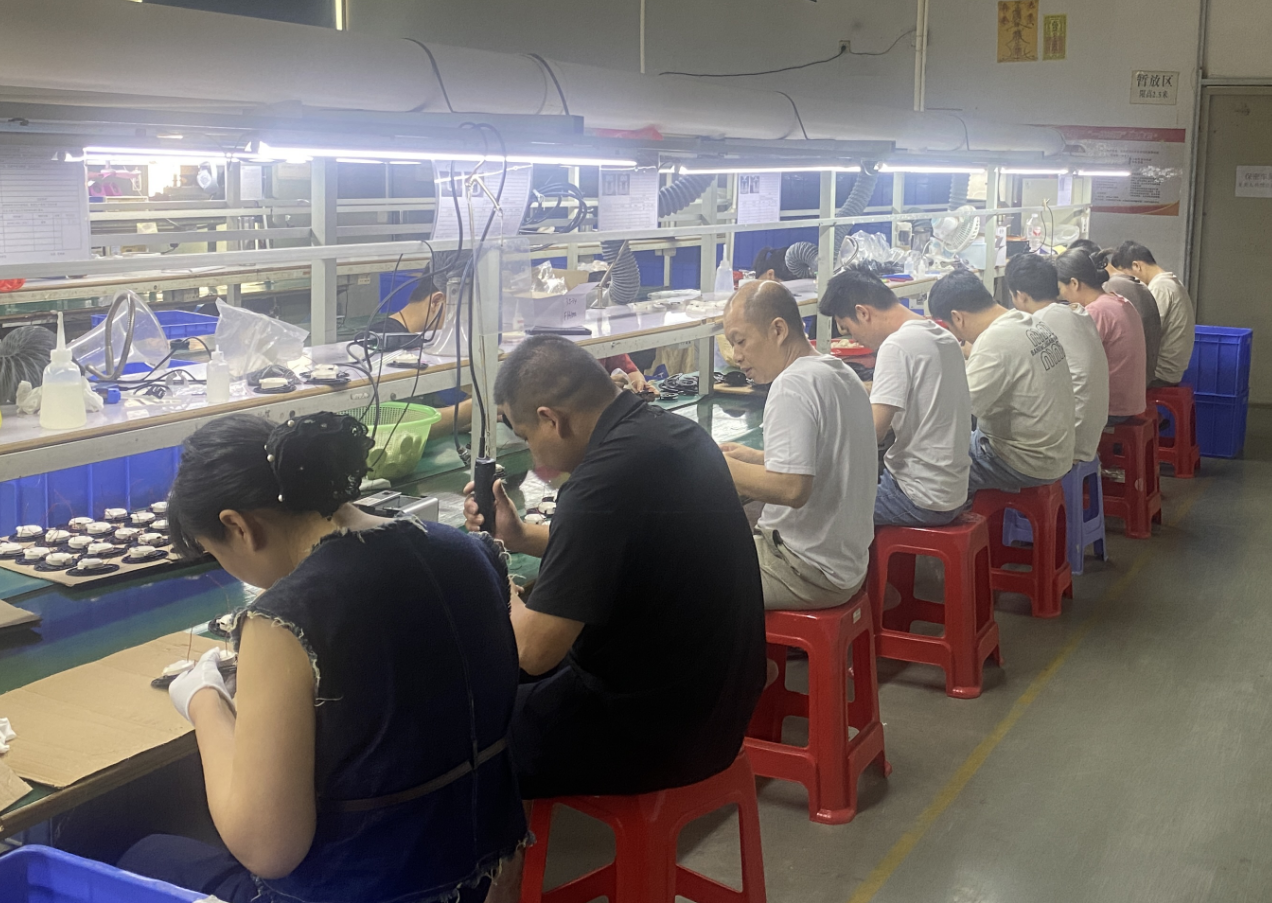
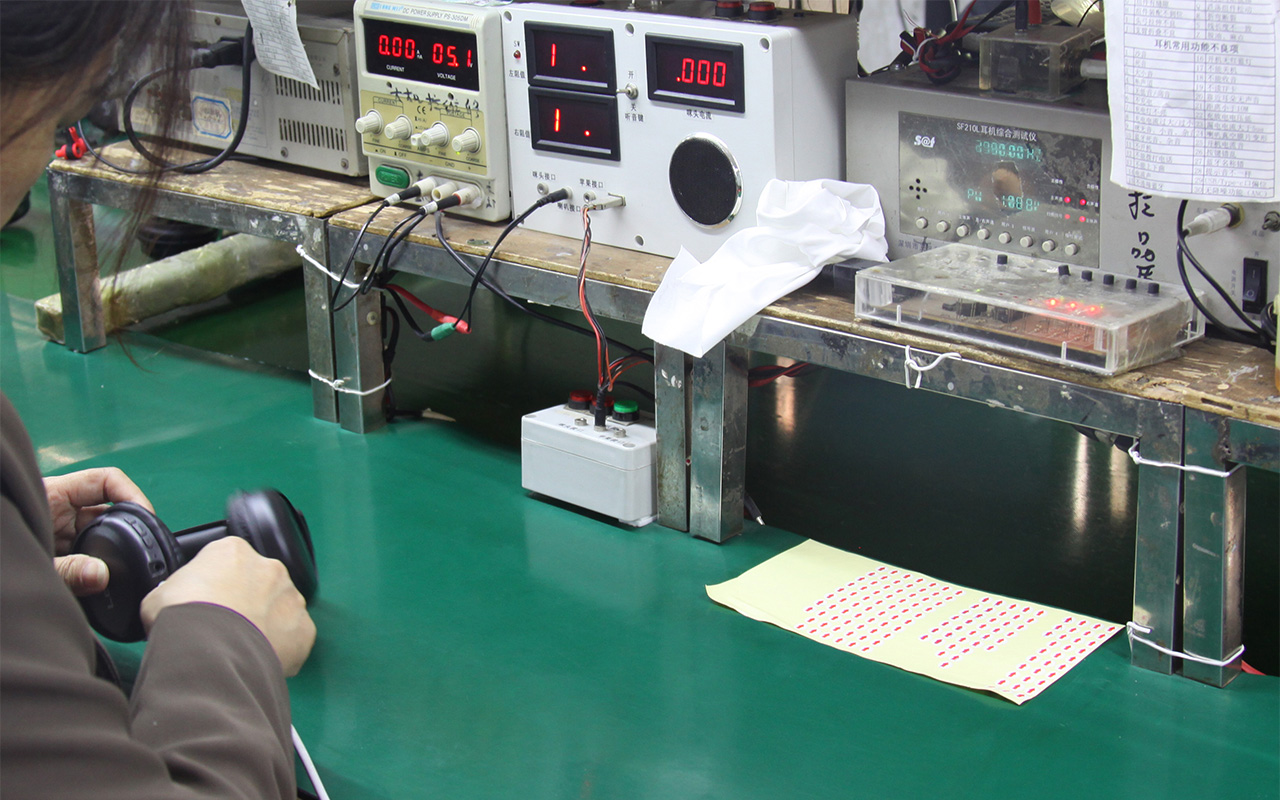
Soneng Technology has a clear positioning, focusing on the in-depth earphone market OEM and ODM services, and taking the global industry leader as the strategic development goal. Continuous promotion of technological improvement and innovative practice as the fundamental management policy. R&d core capabilities have always been valued, innovative thinking drives technological leadership, and occupies a leading position in the rapidly changing market environment. The introduction and training of technical personnel has become a solid support for the development of enterprises. With excellent strength and technical strength, the professional team completes all kinds of projects with high standards and exceeds customer demand expectations.
Shenzhen Soneng Technology Co., Ltd. has an extremely comprehensive and in-depth understanding of the headset business, and can provide professional cooperation support for customers. The company actively explores innovative solutions in the headset industry and improves multiple business levels, including brand building. Customers put forward technical problems through the company's professional team to study and put forward exclusive solutions. The company's quality standards are extremely strict, far exceeding the prevailing market level. Products from the project, research and development until the final completion stage are kept improving, forming a standardized management process.
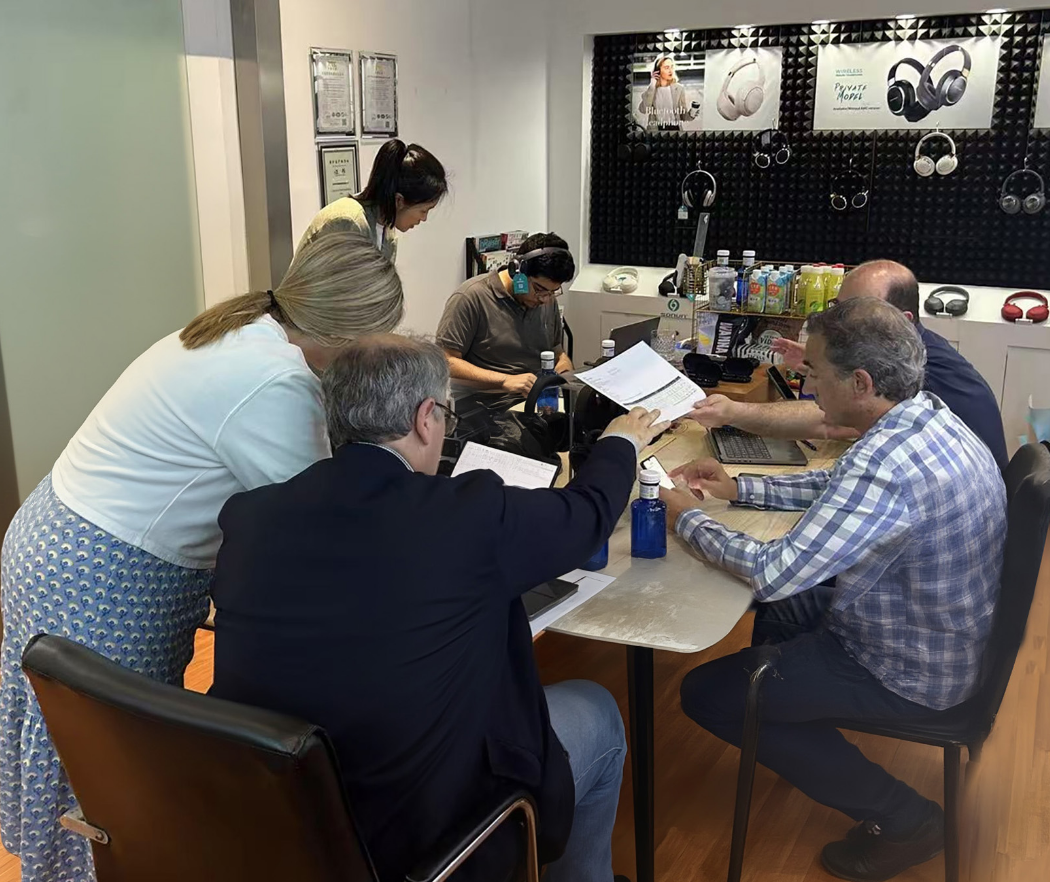
Explore our comprehensive OEM/ODM product portfolio engineered for gaming arenas, active lifestyle endurance, and audiophile precision.