Leave Your Message
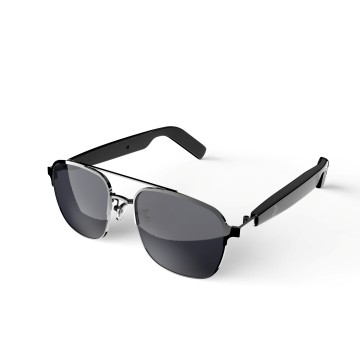
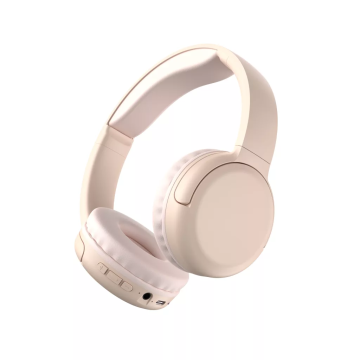
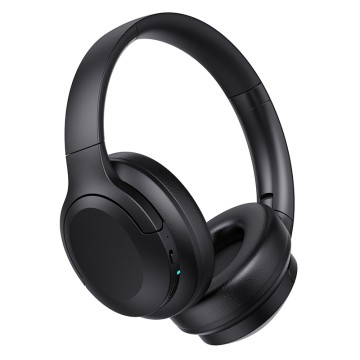
The global educational landscape has undergone a monumental paradigm shift over the past decade. Online education, once viewed as a supplementary tool or a niche alternative, has solidified its position as a central pillar of modern pedagogy. Today, children from preschool to high school participate in virtual classrooms, interactive language tutorials, and remote collaborative workshops. However, this digital migration brings a unique set of challenges, chief among which is the management of the child's immediate physical environment. Unlike traditional schools, which are architecturally designed to isolate classrooms from external noise, home learning environments are inherently chaotic. The hum of household appliances, the chatter of family members, and the distractions of the outside street directly compete for a student's attention.
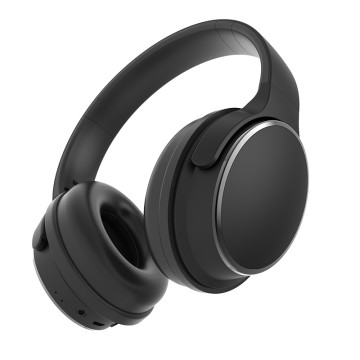
In cognitive science, auditory distraction is recognized as a primary driver of cognitive load. For young learners, whose prefrontal cortexes are still developing, the ability to selectively ignore background noise is significantly less efficient than it is in adults. When a child is forced to strain to hear their teacher's voice over ambient noise, their brain must expend extra processing power just to decode the auditory signals. This leaving less cognitive capacity for comprehension, critical thinking, and long-term memory retention. Consequently, the deployment of "Good Sound Cancelling Headphones For Children's Online Education" has shifted from being a convenience accessory to an absolute educational necessity.
Blocks ambient low-frequency household noise to maintain classroom concentration.
Strict hardware-level limits prevent volume from exceeding safe pediatric decibel thresholds.
Enhanced mid-range frequencies ensure teachers' voices are crystal clear.
To choose the right audio hardware for children, it is essential to understand the underlying acoustic engineering. Not all noise cancellation is created equal, and different technologies address different challenges within the remote learning environment.
Passive isolation is the first line of defense. It refers to the physical blocking of sound waves through the design of the headphone itself. For children's models, this involves designing ergonomic ear cups that wrap completely around the ear (over-ear) or seal firmly against it (on-ear) using high-density, acoustic-grade memory foam. The physical barrier blocks high-frequency sounds, such as voices, whistling, or clapping. PNI requires no battery power and is highly effective when the headphone is designed to match the specific cranial dimensions of a child.
Active Noise Cancellation is a more sophisticated electronic process. Miniature outward-facing microphones on the ear cups continuously monitor ambient sounds. An internal digital signal processor (DSP) analyzes these sound waves and instantly generates an opposing sound wave (anti-noise) that is 180 degrees out of phase. When these two waves meet, they cancel each other out. ANC is particularly effective at eliminating low-frequency drone noises, such as air conditioning units, computer fans, and distant traffic. By neutralizing this background "hum," ANC allows the student to listen to their lessons at a much lower, safer volume level.
While ANC and PNI protect the student's hearing, Environmental Noise Cancellation (ENC) protects the rest of the virtual classroom. Online education is highly interactive, requiring students to speak, answer questions, and collaborate. Standard microphones capture all the noise in the student's room, transmitting it to the teacher and classmates. ENC utilizes a dual-microphone array: one microphone captures the student's voice, while the second monitors ambient room noise. The internal chipset subtracts the ambient noise profile from the voice signal, ensuring that only the student's clear, isolated voice is transmitted. This prevents communication breakdowns and keeps the digital classroom running smoothly.
Soneng Technology has a clear positioning, focusing on the in-depth earphone market OEM and ODM services, and taking the global industry leader as the strategic development goal. Continuous promotion of technological improvement and innovative practice as the fundamental management policy. R&d core capabilities have always been valued, innovative thinking drives technological leadership, and occupies a leading position in the rapidly changing market environment. The introduction and training of technical personnel has become a solid support for the development of enterprises. With excellent strength and technical strength, the professional team completes all kinds of projects with high standards and exceeds customer demand expectations.
In line with our global vision, Soneng Technology is actively expanding its research and development into the educational technology sector. We believe that children's auditory health is paramount. By leveraging our deep expertise in acoustic engineering, we aim to design and manufacture the next generation of safe, high-performance headphones that meet the rigorous demands of digital classrooms worldwide, bridging the gap between advanced audio technology and pedagogical efficacy.
When designing or purchasing audio hardware for adults, the primary focus is often on bass response, volume output, and soundstage. However, when selecting headphones for children, the primary parameter must always be safety. Children's ears are far more sensitive than those of adults. The auditory canal in a child is shorter and narrower, which means that sound pressure levels reaching the eardrum are naturally higher for the same volume output. Prolonged exposure to high volume levels can lead to Noise-Induced Hearing Loss (NIHL), a condition that is irreversible and can severely impact a child's speech development, learning capabilities, and social integration.
According to the World Health Organization (WHO) and the American Academy of Pediatrics, the maximum safe volume limit for children's personal audio devices is 85 decibels (dB). Exposure to sounds above this level for extended periods can cause permanent damage to the delicate hair cells in the cochlea. High-quality educational headphones incorporate a built-in hardware-level limiter that caps the output at 85dB, ensuring that even if a child turns the volume slider on their tablet or computer to the maximum, the actual sound pressure level remains within a safe range.
For noisier environments, some premium educational headphones offer a selectable switch that allows the limit to be raised to 95dB temporarily. This is useful for travel or exceptionally noisy home environments, but it should be used sparingly and under parental supervision. The integration of Active Noise Cancellation (ANC) actually helps maintain the 85dB safety standard; because the background noise is actively canceled out, the child does not feel the need to raise the volume to overcome the ambient noise floor.
The global market for children's educational headphones is experiencing rapid growth, driven by the institutionalization of e-learning. Schools and school districts are increasingly purchasing audio hardware in bulk, creating a surge in demand for reliable OEM and ODM manufacturing solutions. Several key trends are shaping the design and manufacture of these devices:
Modern consumers and educational institutions demand eco-friendly and safe materials. Children frequently chew on headphone cables or put the ear cups close to their mouths. Consequently, leading manufacturers are shifting toward food-grade silicone, BPA-free plastics, and non-toxic dyes. Furthermore, there is a growing push for the use of recycled plastics and biodegradable packaging to minimize the environmental footprint of these high-volume products.
Educational headphones must withstand harsh handling. They are twisted, dropped, stuffed into heavy backpacks, and stepped on. OEM factories are utilizing ultra-flexible headbands made from advanced polymers that can be bent flat or twisted 180 degrees without snapping. Cable strain relief points are reinforced, and many designs feature detachable cables or robust wireless connections to eliminate the most common point of mechanical failure.
While wired headphones remain popular in classroom settings due to their simplicity, wireless models are dominating the home learning market. The adoption of Bluetooth 5.4 has resolved previous issues with latency and connection stability. Low latency is critical in online education: if a teacher's voice is out of sync with their lip movements on screen, it disrupts the child's phonetic processing and visual tracking, leading to faster mental fatigue.
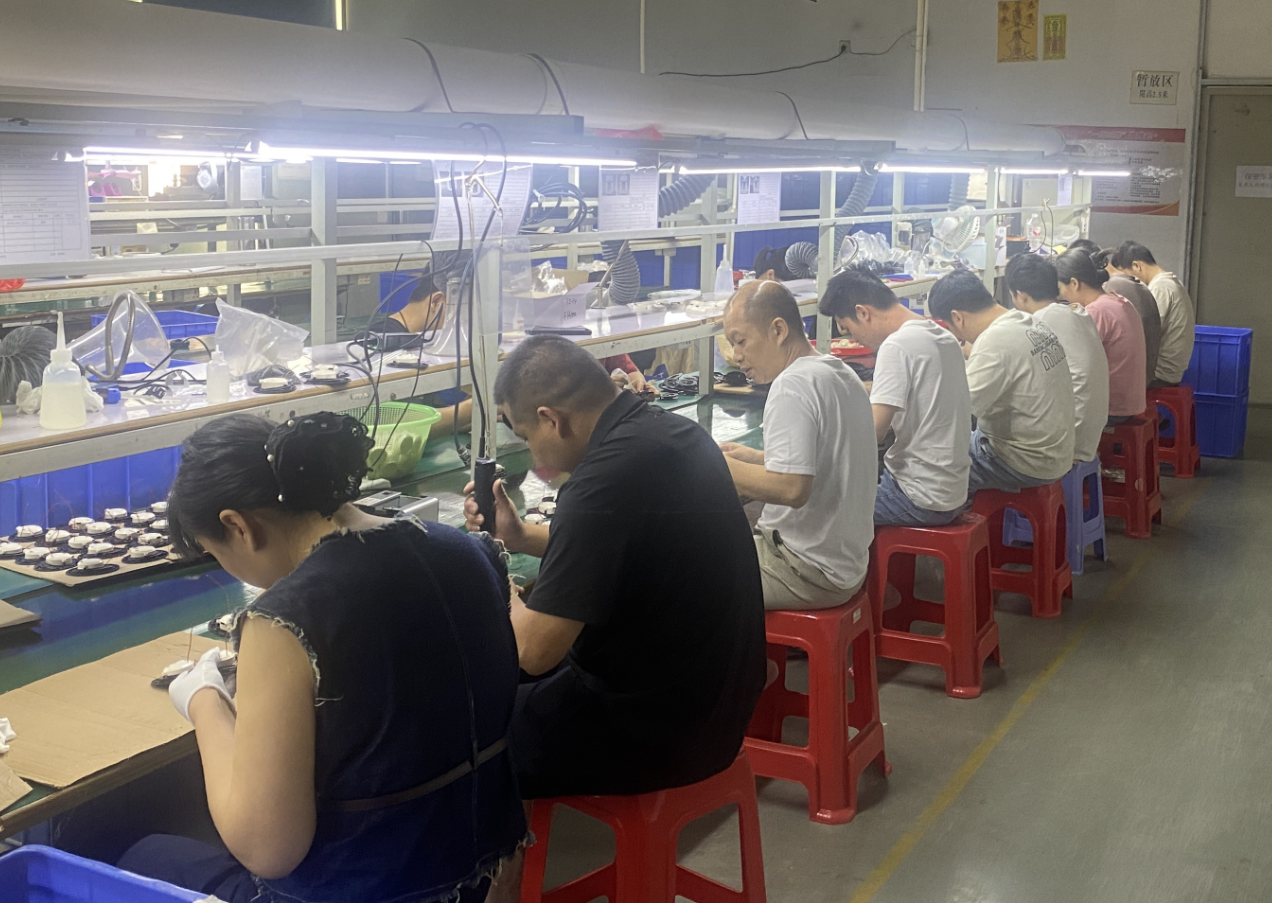
Shenzhen Soneng Technology Co., Ltd. has an extremely comprehensive and in-depth understanding of the headset business, and can provide professional cooperation support for customers. The company actively explores innovative solutions in the headset industry and improves multiple business levels, including brand building. Customers put forward technical problems through the company's professional team to study and put forward exclusive solutions. The company's quality standards are extremely strict, far exceeding the prevailing market level. Products from the project, research and development until the final completion stage are kept improving, forming a standardized management process.
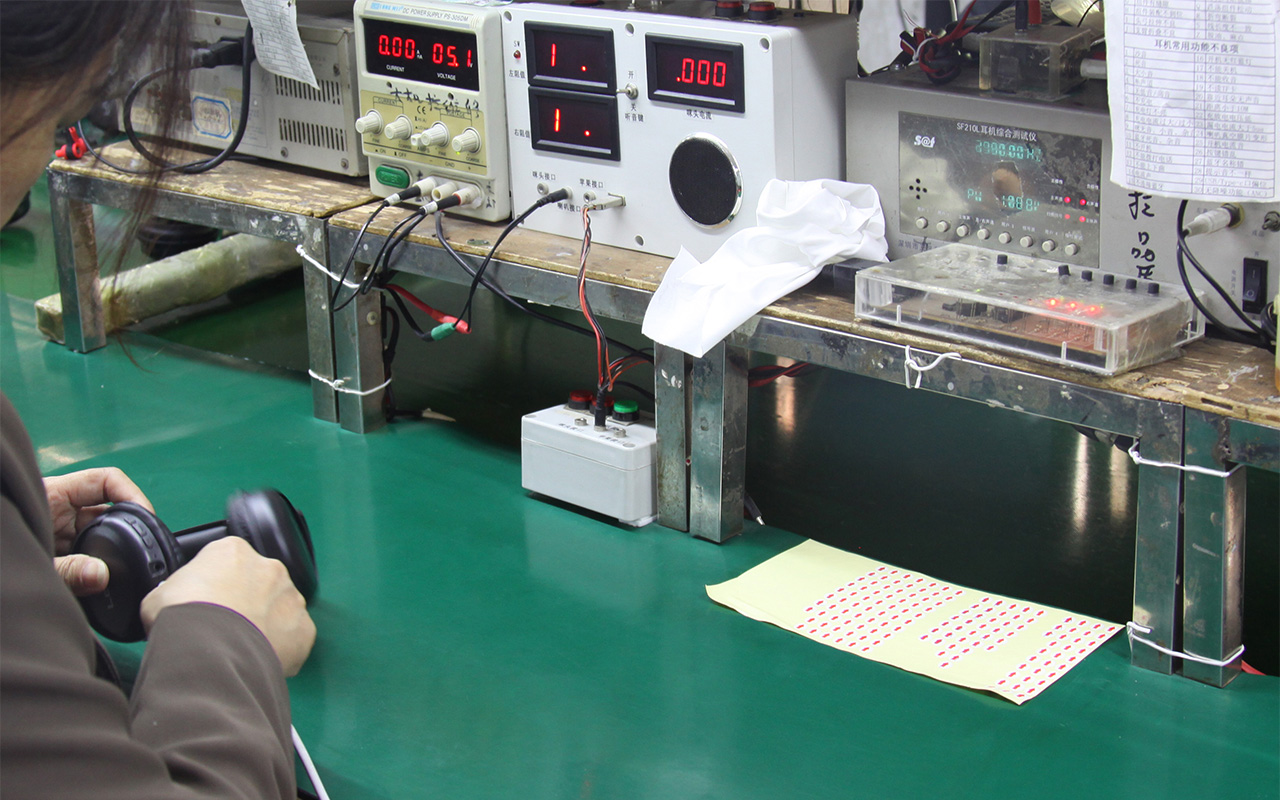
Our manufacturing facility leverages state-of-the-art testing equipment, including artificial ear simulators and anechoic chambers, to ensure that every pair of headphones we produce conforms to strict international acoustic safety standards. We work closely with global brands, educational distributors, and school systems to deliver customized OEM/ODM solutions that prioritize child safety, acoustic clarity, and long-term mechanical durability.
The utility of high-quality noise-cancelling headphones extends far beyond simply listening to a video stream. Different educational contexts require specialized acoustic responses and features:
For children learning a second language, hearing the exact pronunciation of phonemes is critical. Subtle differences between consonants (such as "b" and "p", or "th" and "f") can be easily lost over low-quality speakers or in noisy rooms. High-definition drivers tuned for mid-range vocal clarity, combined with active noise cancellation, allow the child to hear the micro-details of speech. This directly improves their pronunciation, speech imitation, and confidence during oral exams.
Students with Attention Deficit Hyperactivity Disorder (ADHD), Autism Spectrum Disorder (ASD), or sensory processing sensitivities often struggle in noisy environments. A sudden noise from a sibling or an outdoor siren can completely disrupt their focus, causing sensory overload and anxiety. ANC headphones act as a sensory shield, providing a quiet, predictable auditory space that helps these students maintain focus, reduce anxiety, and stay engaged with the lesson for longer periods.
In modern homes, it is common for siblings to attend different online classes simultaneously in the same room. Without proper isolation, the audio from one child's class will bleed into the other's, leading to distraction and frustration. Over-ear headphones with strong passive isolation and active noise cancellation allow multiple children to study side-by-side without interference, maximizing space utilization in the home.