
Leave Your Message
Discover our top-tier active and passive noise cancelling headsets designed specifically to minimize background distractions, optimize agent communication, and elevate call center throughput.
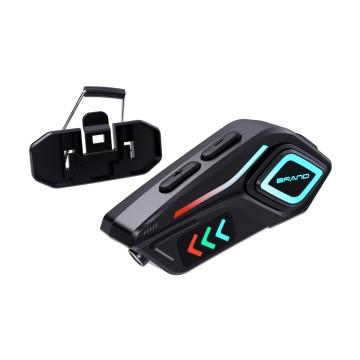
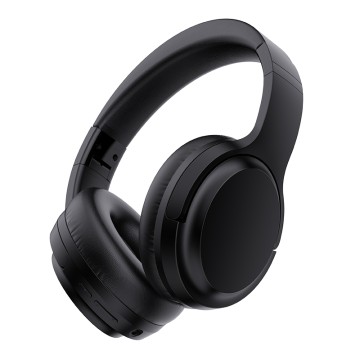
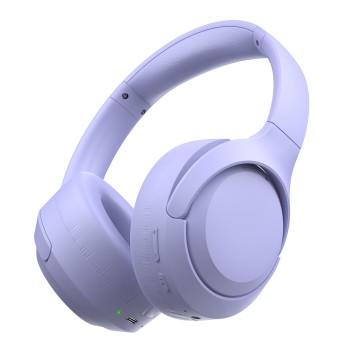
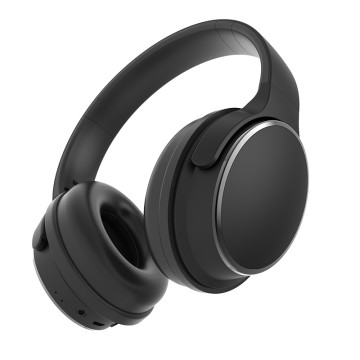
In the highly competitive world of B2B and B2C telemarketing, the clarity of communication is the thin line between a successful conversion and a dropped lead. Modern call centers operate in incredibly high-density configurations. Hundreds of agents sit side-by-side, creating a constant, low-frequency hum of chatter, keyboard clicks, and HVAC systems. This ambient noise is not just an irritation; it is a major business liability. It degrades the quality of calls, spikes customer frustration, and accelerates agent fatigue. Implementing good noise cancelling headphones for telemarketing and call centers has transitioned from a luxury upgrade to a critical operational necessity.
When evaluating professional audio equipment, it is vital to distinguish between Active Noise Cancellation (ANC) and Environmental Noise Cancellation (ENC). ANC targets the agent's hearing. By utilizing internal and external microphones to capture ambient sounds, the headset generates an inverted sound wave (anti-noise) that cancels out background distractions. This allows the agent to focus entirely on the customer without cranking up the volume, protecting their hearing over long shifts.
Conversely, Environmental Noise Cancellation (ENC) is integrated into the microphone system. It targets what the customer hears. ENC technology utilizes dual-microphone arrays and smart DSP (Digital Signal Processing) algorithms to isolate the agent's voice while filtering out the surrounding call center chatter. For telemarketing companies, ENC is the ultimate tool to ensure that outbound pitches sound clean, professional, and authoritative.
No two call center environments are identical. The demands of a remote outbound sales agent differ vastly from those of an in-house technical support specialist. Let's analyze the deep application scenarios where customized, high-quality noise-cancelling headphones are changing the game.
In outbound sales hubs, agents make hundreds of cold and warm calls daily. Speed, stamina, and voice articulation are paramount. In these dense workspaces, standard consumer headphones fail immediately. Good noise cancelling headphones designed for this scenario feature highly directional cardioid or hypercardioid microphones mounted on flexible, unbreakable boom arms. These mics ignore lateral chatter, ensuring that the prospective client only hears the sales pitch. Furthermore, integrated quick-mute controls and durable, sweat-resistant ear pads ensure that agents can maintain peak performance throughout their shifts.
Inbound technical support agents deal with highly complex, often stressful situations. They must listen carefully to diagnostic details while troubleshooting software or hardware. Here, hybrid ANC is crucial. By isolating the agent from the surrounding office chaos, they can concentrate on the customer's technical descriptions without missing crucial details. This directly reduces average handling time (AHT) and increases first-call resolution (FCR) metrics—two of the most critical KPIs in customer service operations.
The shift toward remote work has introduced a new set of acoustic challenges. Remote agents no longer contend with office chatter; instead, they face domestic distractions—barking dogs, crying children, traffic, and household appliances. For WFH setups, Bluetooth 5.4 headphones with advanced ENC are the gold standard. They offer the range to allow agents to move around their home offices while maintaining a stable, low-latency connection. Smart AI-driven noise suppression algorithms built into the headset's firmware can identify and eliminate non-human noises, presenting a perfectly professional image to the caller regardless of the agent's actual environment.
In banking, insurance, and medical hotlines, confidentiality is not just preferred; it is mandated by law. When agents handle personal identification numbers, health records, or credit card details, any bleed-through of ambient voices from neighboring desks can constitute a major security breach. Specialized close-talk microphones with strict acoustic fences ensure that only the primary speaker's voice is transmitted, securing the boundary of data privacy and maintaining corporate compliance.
As we look toward the future of enterprise communication, several key technological vectors are redefining what makes a headset "good" for telemarketing. Manufacturers are no longer just building analog speakers and microphones; they are designing integrated hardware-software ecosystems powered by artificial intelligence.
The integration of dedicated Neural Processing Units (NPUs) directly into the Bluetooth SoC (System on Chip) allows for real-time voice isolation. By training machine learning models on millions of voice profiles and background noise samples, these headsets can dynamically isolate the human voice while completely muting background chatter, typing, and ambient hums with zero latency.
Wireless headsets were once shunned by call centers due to battery limitations and interference. However, Bluetooth 5.4, combined with LE (Low Energy) Audio and the LC3 codec, has revolutionized wireless deployment. These technologies offer ultra-low latency, multi-stream support (allowing seamless switching between softphones and mobile devices), and massive battery efficiency—enabling headsets to run for up to 80 hours on a single charge.
For large-scale enterprise deployments, off-the-shelf solutions often fall short. Businesses require customized acoustic tuning to match their specific VoIP software ecosystems (such as Avaya, Cisco, Genesys, or Microsoft Teams). Furthermore, customized branding, color schemes, and logo integrations on the headsets help reinforce corporate identity and build a sense of unity among on-site and remote workforces.
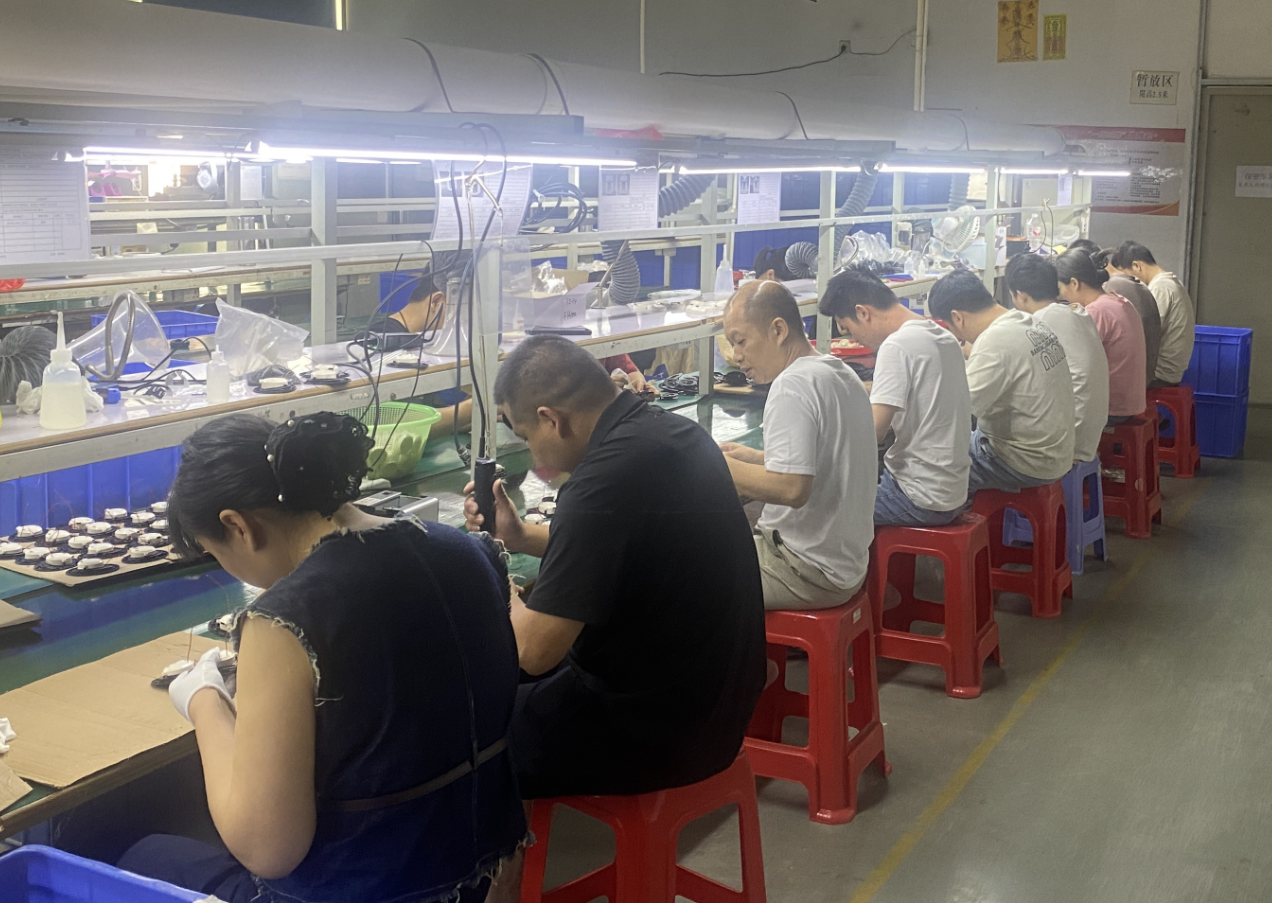
Shenzhen Soneng Technology Co., Ltd. has an extremely comprehensive and in-depth understanding of the headset business, and can provide professional cooperation support for customers. The company actively explores innovative solutions in the headset industry and improves multiple business levels, including brand building. Customers put forward technical problems through the company's professional team to study and put forward exclusive solutions. The company's quality standards are extremely strict, far exceeding the prevailing market level. Products from the project, research and development until the final completion stage are kept improving, forming a standardized management process.
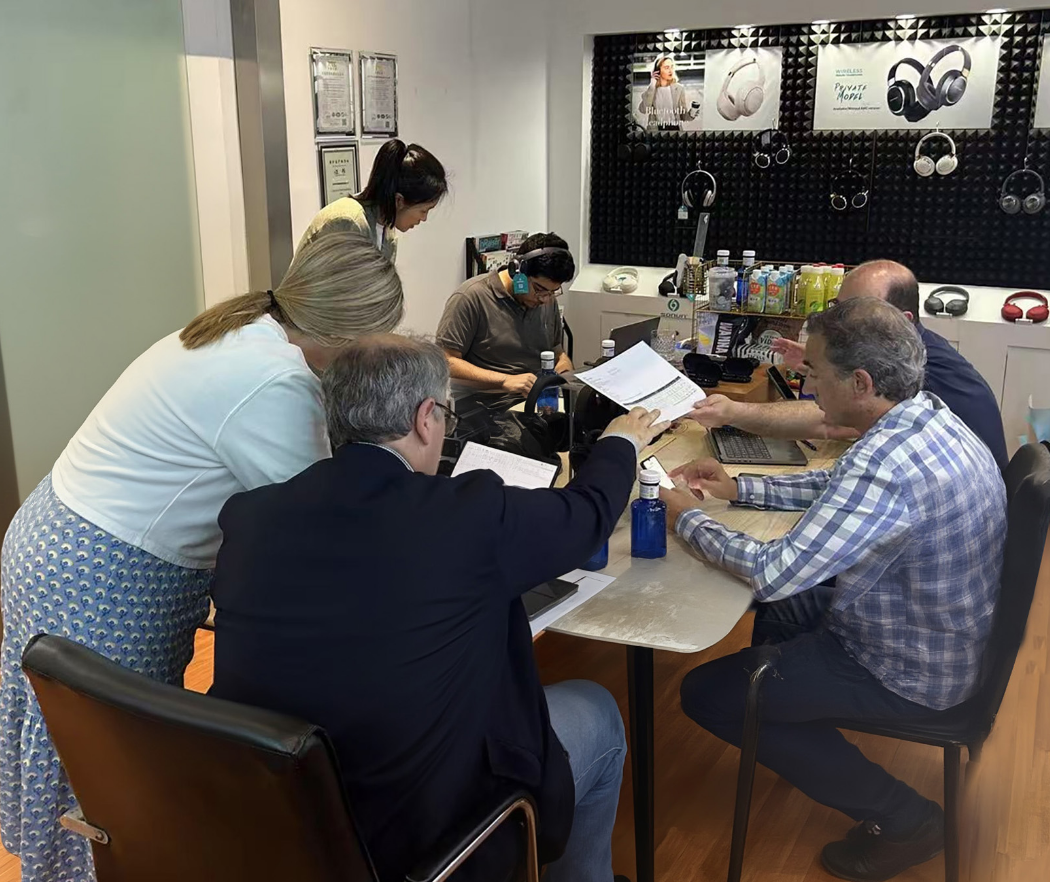
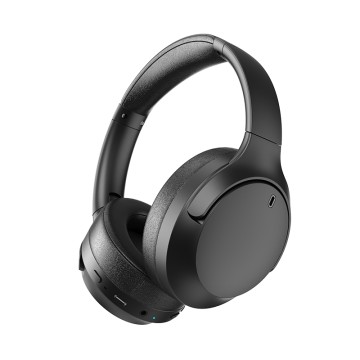
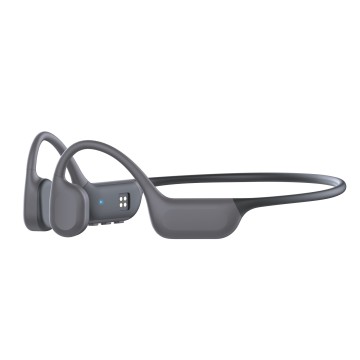
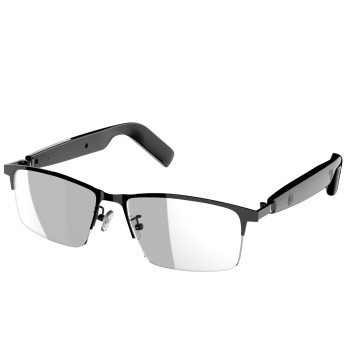
Explore our full lineup of OEM and ODM custom audio solutions, engineered to meet the stringent demands of modern call centers, sports communications, and active lifestyles.
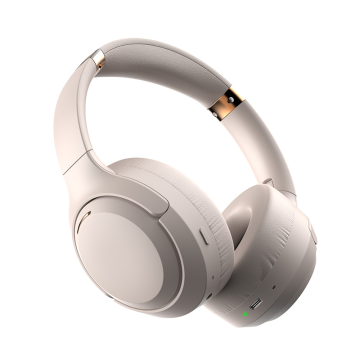
When purchasing noise-cancelling headphones at an enterprise scale, procurement officers and IT directors must look beyond basic consumer reviews. Factors such as total cost of ownership (TCO), hardware lifecycle, post-sale firmware support, and supply chain integrity are critical to ensuring a high return on investment.
In a 24/7 call center environment, headsets are subjected to extreme wear and tear. They are constantly adjusted, put on, taken off, and occasionally dropped. A cheap headset that needs replacement every six months is far more expensive in the long run than a premium, industrial-grade headset designed with reinforced headbands, strain-relieved cables, and replaceable ear cushions. Partnering with an OEM/ODM specialist like Soneng Technology ensures that the materials utilized are optimized for industrial longevity.
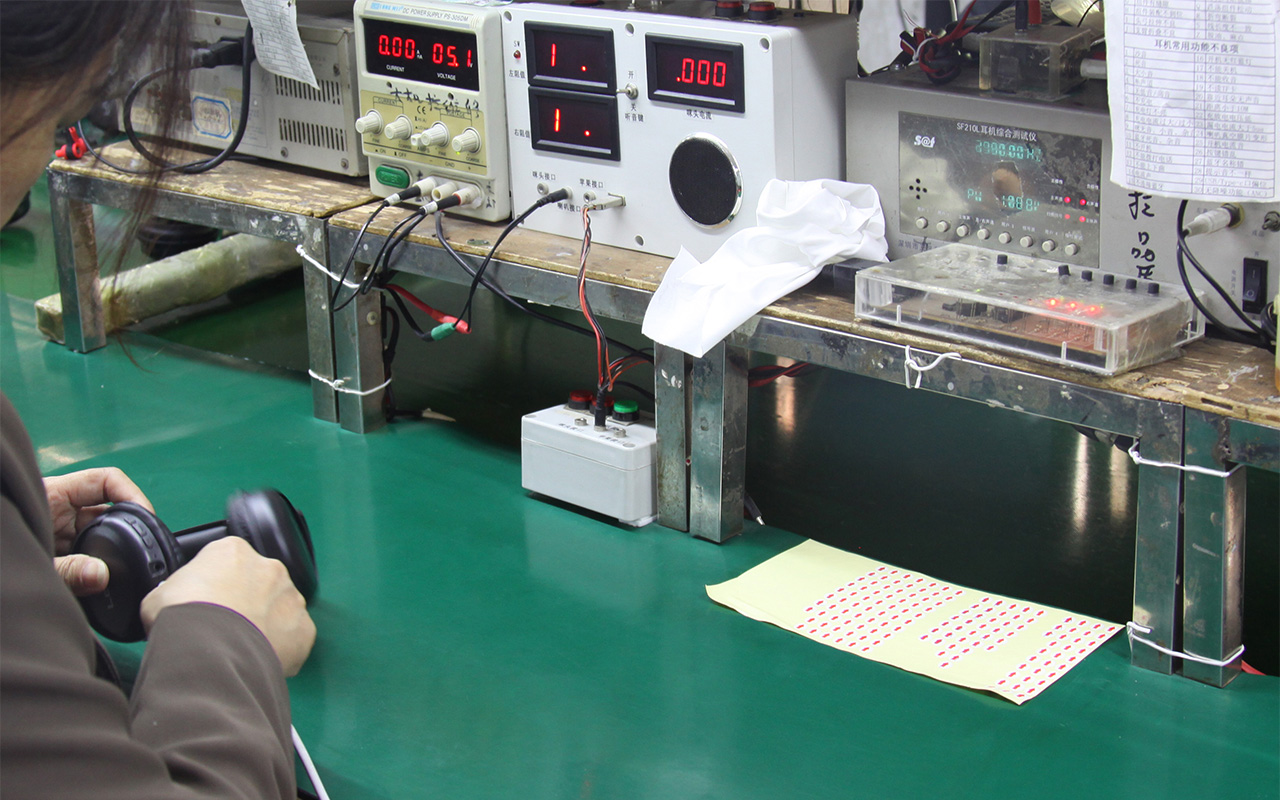
Professional-grade headsets must undergo rigorous acoustic testing, including Total Harmonic Distortion (THD) checks, frequency response matching, and microphone sensitivity calibration. Consistent audio performance across thousands of deployed units ensures that all agents operate under identical, optimized conditions, stabilizing the quality of customer interactions across the entire organization.
Ultimately, investing in good noise cancelling headphones for telemarketing and call centers is an investment in your brand's voice and your agents' efficiency. By reducing ambient distractions, securing client data privacy, and mitigating physical fatigue, advanced acoustic hardware acts as a force multiplier for sales conversions and customer satisfaction. As technology continues to evolve, businesses that prioritize high-quality communication infrastructure will maintain a decisive edge in the global marketplace.