
Leave Your Message
Precision-crafted audio solutions purpose-built for acoustic transparency, wind-noise mitigation, and extreme mechanical retention during rapid cadence and adverse riding environments.
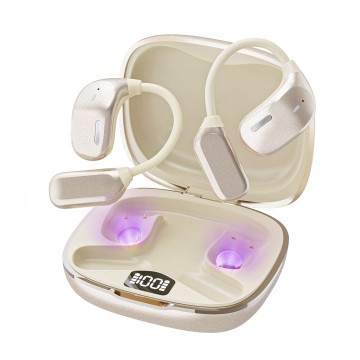
JM20 OWS Bluetooth 5.4 Wireless Earbuds with UV Sterilization 30H Playback Custom Branding
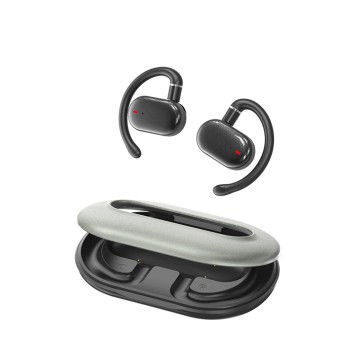
OEM Sport Adjustable Ear-Hook Wireless Earbuds with Metallic Finish
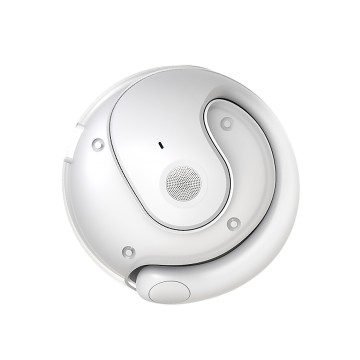
AI Language Translator Open-ear Bluetooth Earbuds With APP Control
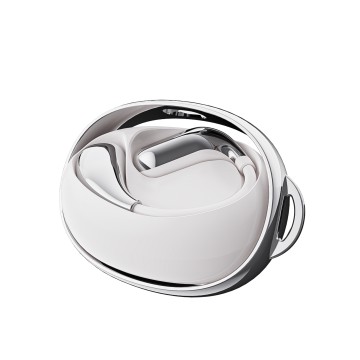
360°Rotating Charging Case Wireless Earbuds with Soft Silicone Ear Hooks
The global micro-mobility and cycling landscape has witnessed exponential growth over the past decade. Driven by worldwide urban decarbonization mandates, corporate fitness initiatives, competitive gravel and criterium races, and the explosion of high-velocity electric bicycles (e-bikes), cyclists are traveling farther, faster, and through far more complex traffic environments than ever before. However, this surge in cycling participation has highlighted a severe technological contradiction in personal audio equipment: traditional earbuds are inherently antagonistic to cycling safety.
For decades, consumer audio focused relentlessly on passive sound isolation and active noise cancellation (ANC). In an office or commuter train, sealing the auditory canal with memory foam or silicon tips to eliminate high- and low-frequency environmental noise creates a serene acoustic cocoon. Yet on a bicycle—whether traversing congested urban intersections, descending winding alpine passes at 60 km/h, or negotiating narrow single-track woodland trails—auditory isolation is hazardous. Auditory cues provide human brains with 360-degree, non-line-of-sight spatial telemetry. A cyclist’s ears detect approaching motor vehicles, electric vehicles that produce virtually no engine rumble, warning bells from other cyclists, sirens, and pedestrian movements long before they cross the cyclist’s visual field.
As national transportation safety boards across Europe, North America, and the Asia-Pacific tighten cycling helmet and earphone regulations—in several jurisdictions outright penalizing the occlusion of both ear canals—the demand for excellent earbuds for outdoor cycling safety has evolved from a niche fitness novelty into a multi-billion dollar industrial imperative. Leading consumer tech brands, sports accessory conglomerates, and premium cycling apparel manufacturers are turning to innovative OEM/ODM factories to deliver open-ear wearable platforms that combine acoustic excellence, military-grade retention, dynamic wind suppression, and uninterrupted situational awareness.
Unobstructed ear canal architectures guarantee unattenuated acoustic reception of ambient traffic noises, horns, emergency sirens, and overtaking riders without digital latency.
Aerodynamically contoured mic grilles and intelligent DSP algorithms dissipate micro-turbulences, ensuring clear phone calls and music clarity at speeds above 35 km/h.
Engineered memory titanium and liquid-silicone ear hooks disperse mass evenly across the pinna, coexisting harmoniously with cycling helmet retention straps and sunglasses.
Designing audio devices that deliver punchy bass, crisp vocal clarity, and articulate navigation prompts without physically sealing the ear canal requires profound acoustic and spatial engineering. Traditional earbud designs rely on the acoustic impedance matching created inside a sealed ear canal to generate low-frequency pressure waves. When the canal remains open to the ambient environment, low frequencies rapidly bleed into the free air, often leaving open-ear designs sounding tinny, hollow, and washed out by oncoming headwinds.
To overcome acoustic leakage while delivering rich dynamic spectrums, modern Open Wearable Stereo (OWS) platforms utilize specialized micro-transducers coupled with directional sound beamforming tubes. By aligning dual acoustic exit chambers to aim sound waves precisely into the concha and external acoustic meatus, sound energy is focused toward the eardrum. Simultaneously, inverted phase sound waves are channeled out through opposing exterior vents. These inverse sound waves cancel out peripheral acoustic leakage through destructive acoustic interference, preventing cycling partners in a paceline from overhearing personal calls or podcast audio, while preserving private listening integrity.
Miniature 6mm or 8mm dynamic drivers cannot physically move sufficient air volume when unsealed. Safety-centric cycling earbuds integrate substantially larger 14.2mm, 16.2mm, or 18mm high-compliance dynamic drivers equipped with composite titanium or liquid crystal polymer (LCP) diaphragms. Paired with custom low-frequency enhancement DSP (Digital Signal Processing) algorithms that track real-time riding velocity and dynamically boost sub-bass octaves, the listener experiences rich acoustic punch without losing ambient auditory acuity.
Cyclists naturally produce their own headwinds. Moving at 30 km/h produces air velocity capable of triggering massive vortices across standard microphone holes, totally corrupting voice clarity and creating an unbearable rushing hiss inside the rider's ear. Advanced cycling earbuds utilize hydrodynamic exterior housing profiles tested in virtual CFD (Computational Fluid Dynamics) wind channels. The acoustic chambers recess the microphone capsules behind mesh-guarded angled chambers that redirect oncoming high-speed airflow over the surface, preventing vortex formation at the microphone diaphragm.
| Technology Type | Acoustic Delivery | Ambient Safety Factor | Wind Turbulence Resistance | Helmet/Glass Compatibility |
|---|---|---|---|---|
| In-Ear ANC (Standard) | Sealed Silicone Canal | Dangerous / Negligible | Poor (Vortices inside mics) | High (Low profile) |
| Bone Conduction | Cranial Zygomatic Vibration | High (Complete canal open) | Moderate (Vibration tickle at high vol) | Moderate (Rigid wraparound band) |
| Air Conduction OWS | Directional Spatial Beamforming | Maximum (Canal fully open) | High (Hydrodynamic aerodynamic grilles) | Superior (Independent ear-hook design) |
| Pass-Through Transparency | Mic Capture & Digital Injection | Variable (Latency & false spatial cues) | Very Poor (Mic hiss completely saturates) | High |
Outdoor cycling is not a homogeneous activity. The acoustic, structural, and physiological challenges encountered vary wildly across specific disciplines, each imposing distinct constraints on audio equipment performance.
Navigating through inner-city traffic involves instantaneous split-second hazards: opening car doors, right-turning delivery trucks with blind spots, jaywalking pedestrians stepping out from behind buses, and light-rail track transitions. Cyclists in this environment require lightning-fast auditory reflex speeds. Open-ear wireless earbuds allow the rider to cleanly receive GPS navigation prompts ("Turn right in 50 meters onto Broadway") without masking the sound of an overtaking hybrid vehicle or the urgent whistle of a traffic officer.
In group road cycling, riders draft within inches of one another at sustained speeds between 35 and 50 km/h. Clear communication is the primary barrier preventing mass pile-ups. Cyclists call out potholes, road debris, and sudden decelerations verbally. Traditional closed earbuds isolate the rider, causing dangerous disorientation and vocal isolation. OWS earbuds preserve natural vocal feedback, allowing riders to hear vocal paceline calls with razor-sharp fidelity while staying motivated by music.
Off-road terrains subject audio wearables to extreme vibrational shocks, washboard corrugations, jumps, and low-hanging tree branches. Earbuds that sit precariously inside the ear canal frequently loosen due to jaw movements during heavy breathing, eventually falling directly into dirt or mud. Cycling-specific earbuds equipped with aerospace-grade nickel-titanium (Nitinol) memory wire hooks form an unbreakable clamp around the rear of the ear, absorbing continuous mechanical vibration without shifting position.
Strenuous cycling pushes metabolic heat to extremes. Profuse sweat carries salts, acids, and oils that immediately corrode inferior audio components. Combined with unexpected rainstorms, IPX5 to IPX7 water ingress protection is non-negotiable. Furthermore, prolonged in-ear occlusion during multi-hour sweaty rides creates a warm, dark, humid microclimate that breeds bacteria, causing fungal otitis externa. Open-ear architectures completely eliminate this biological danger by keeping the auditory canal dry and naturally ventilated.
A critical engineering failure in ordinary athletic earbuds is their inability to coexist with safety helmets and performance eyewear. A serious cyclist always wears a helmet and UV/impact protection cycling sunglasses. The temporal region of the human skull offers minimal clearance between the temple arms of sunglasses, the nylon Y-straps of the helmet harness, and the retroauricular sulcus (the crease behind the ear).
Inferior wrap-around neckbands or bulky ear-hook structures create intense pressure spots against the mastoid process when clamped under helmet straps and sunglass arms, causing excruciating headaches after barely 45 minutes of riding. Next-generation cycling earbuds designed by Sonun solve this dilemma through ultra-slim flat-ribbon memory titanium cores coated in medical-grade 15-durometer liquid silicone. The ultra-thin profile slips imperceptibly under sunglass arms and works in synergy with helmet dial-fit retention mechanisms, distributing product weight across the auricle with zero focal pressure points.

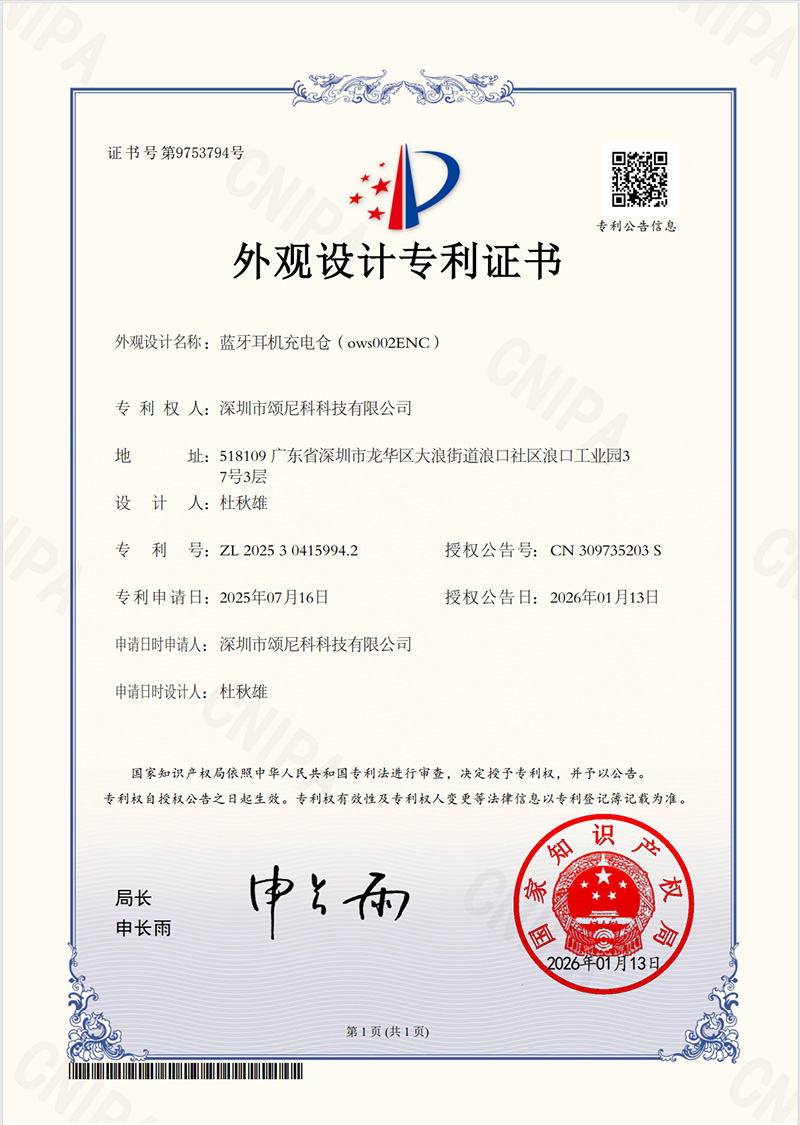
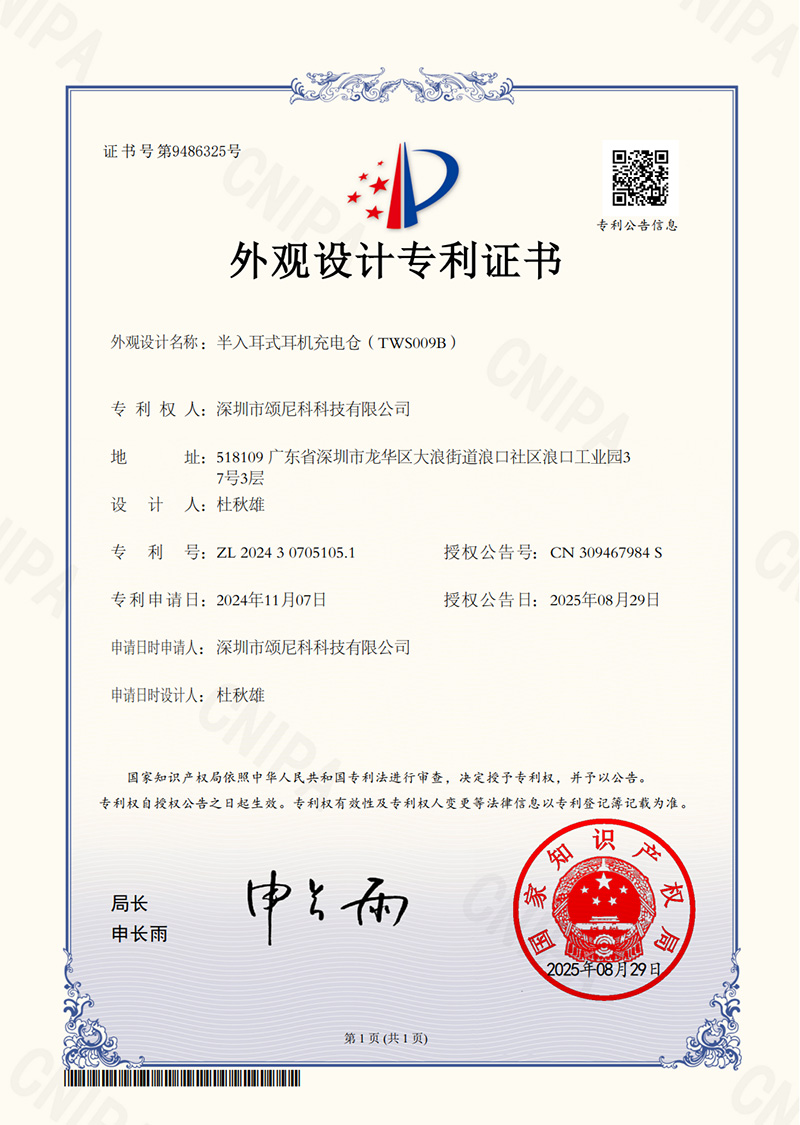
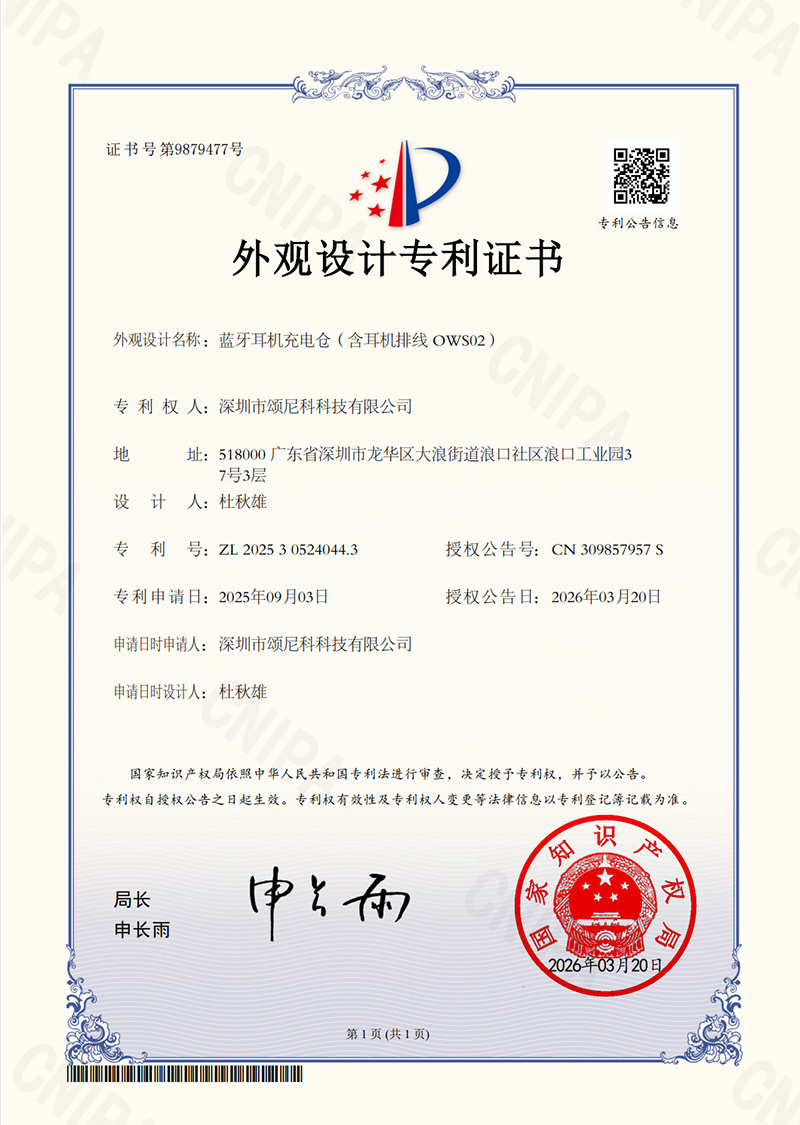



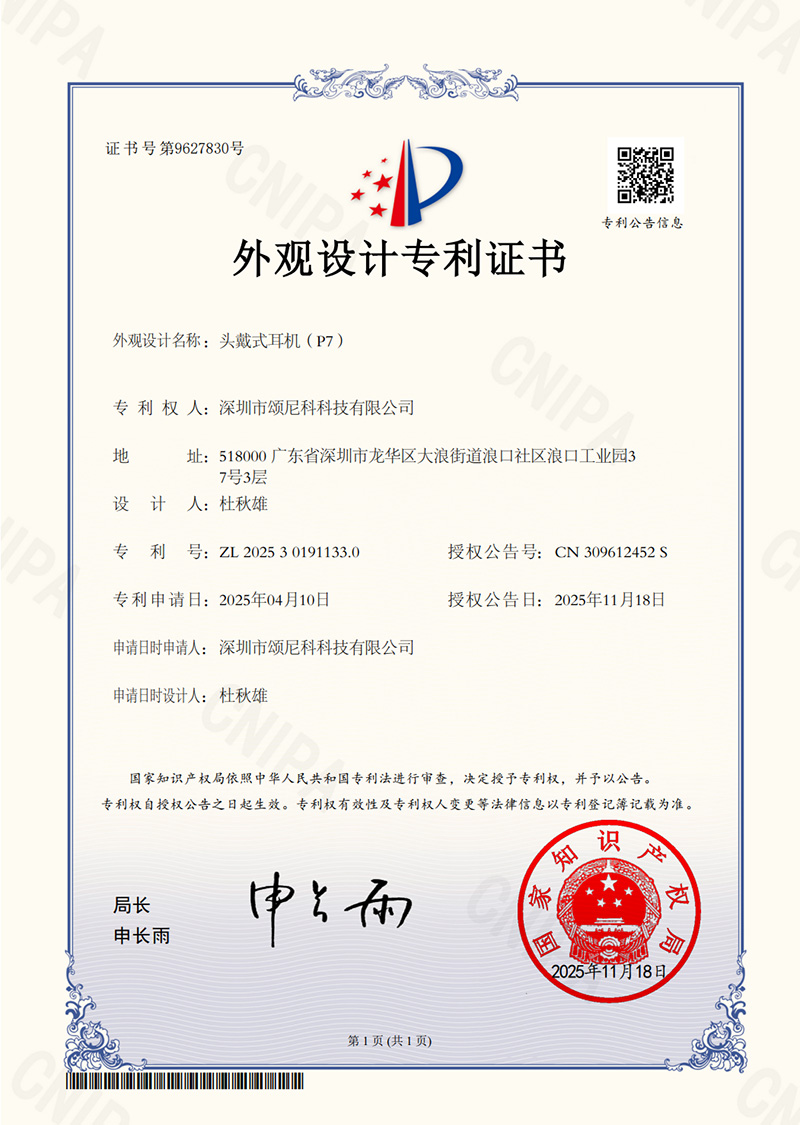

ODM work has made remarkable progress, mainly due to the input of independent design and research teams in various aspects. The design and research teams create new directions by thinking creatively and moving away from simply following market trends. The ODM team leads the industry trends and delivers product solutions with competitive advantages in the market. Product design combines beauty, comfort and smart technology. Sound quality is at the core of product development, and the research team has repeatedly improved and optimized product performance, committed to providing users with a high-quality listening experience.
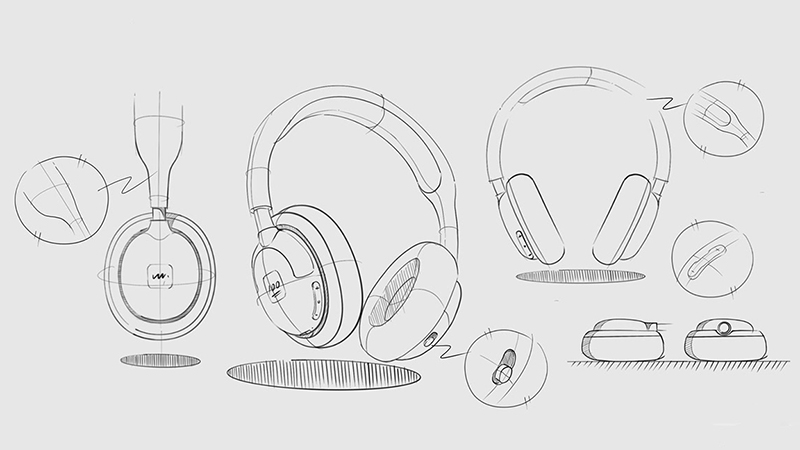
Our journey began with a simple yet ambitious goal: to become a leader in the headphone manufacturing industry. Today, we stand as a testament to that vision. Our OEM services are the backbone of our operations. We take great pride in our ability to meticulously follow client specifications, ensuring that each product we produce is a precise reflection of our clients' vision. Our experienced team, armed with state-of-the-art equipment, navigates the production process with precision and efficiency, adhering to stringent quality standards that are recognized globally.
Explore Sonun's complete OEM/ODM production catalogue engineered for cycling, athletic performance, and outdoor environmental safety.
JM20 OWS Bluetooth 5.4 Wireless Earbuds with UV Sterilization 30H Playback Custom Branding
OEM Sport Adjustable Ear-Hook Wireless Earbuds with Metallic Finish
AI Language Translator Open-ear Bluetooth Earbuds With APP Control
360°Rotating Charging Case Wireless Earbuds with Soft Silicone Ear Hooks
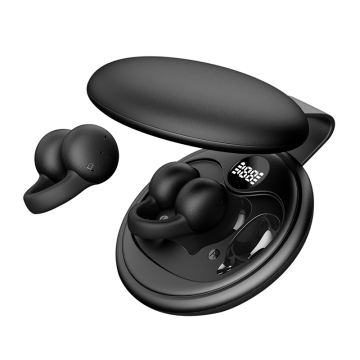
Hi-Res Audio Ultra Light Sports Earbuds Wireless With Mic OEM
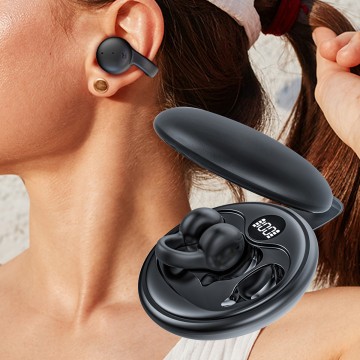
OEM Hi-Res Audio Ultra Light Sports Earbuds Wireless With Mic
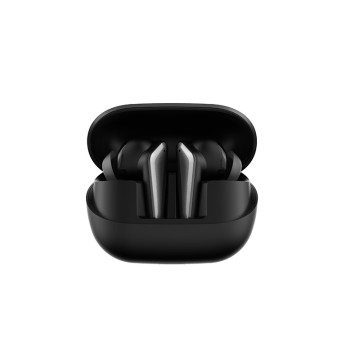
OEM Wireless 5.4 Voice And Volume Control Earbuds
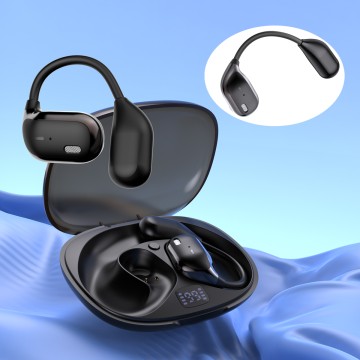
New Sport Adjustable Ear-hook Wireless Earbuds