
Leave Your Message
Purpose-engineered wireless earphones balancing strict 85dB volume constraints, zero-lag voice transmission, and lightweight materials designed for long-duration academic study.
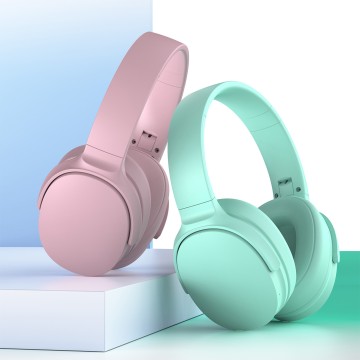
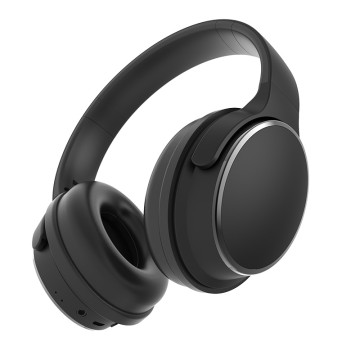
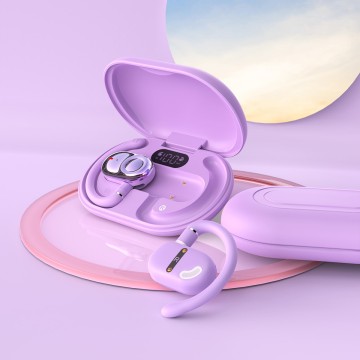
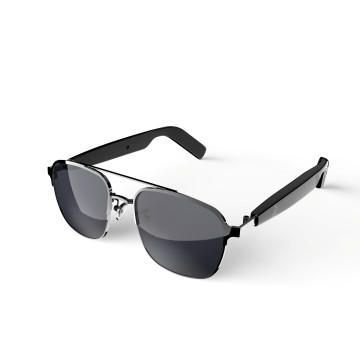
Addressing the unique anatomical and auditory sensitivities of young learners in digital learning environments.
Integrated DSP-level hard limits prevent sound pressure levels from exceeding pediatric safety standards set by the WHO and OSHA, preventing noise-induced hearing loss without sacrificing phonetic articulation.
Advanced neural-network environmental noise cancellation isolates the student's voice from household background noise, ensuring immaculate diction during live language acquisition and recitation.
Proprietary ultra-stable RF design eradicates lip-sync lag during live video streaming, preserving natural pedagogical timing and eliminating conversational friction between teacher and student.
The global shift toward blended, hybrid, and fully digitized education has permanently transformed learning hardware. In early iterations of online classrooms, generic consumer audio equipment was frequently repurposed for pediatric use. However, these devices failed to account for children's delicate tympanic membranes, developing cranial ergonomics, and the cognitive demands of extended screen time. Today, the specialized educational earphones segment represents a multi-billion-dollar market requiring rigorous clinical compliance, robust material safety standards, and tailored acoustic tuning.
Market analysts observe an accelerating transition toward Bluetooth-enabled platforms within K-12 education, distance tutoring, and gamified cognitive learning. Wireless architectures eliminate wire snag hazards, provide unrestricted physical mobility during dynamic pedagogical activities, and seamlessly pair across multi-device configurations spanning tablets, laptops, and smart interactive displays. For OEM and ODM brand stakeholders, delivering high-performance Bluetooth solutions calibrated specifically for children's online education is now an essential competitive differentiator.
Prolonged canal occlusion with traditional in-ear silicone buds elevates the risk of cerumen impaction, otitis externa, and acoustic fatigue. Modern educational hardware paradigms increasingly prioritize open-ear directional audio and air conduction technology. By directing localized sound waves toward the ear canal via micro-directional acoustic wave guides, air conduction headsets preserve natural ventilation and eliminate tympanic pressure.
Furthermore, ambient environmental awareness is preserved. Parents and educators maintain an open line of verbal communication with young learners, ensuring domestic supervision remains intact while the child engages fully in collaborative online dialogue.
Young learners impose substantial mechanical stress on electronic peripherals through frequent drops, flexions, and continuous micro-adjustments. Educational-grade Bluetooth earphones utilize medical-grade liquid silicone rubber, food-grade ABS plastics, and memory-shape titanium alloy backbones that endure severe torsional deformation without structural failure.
Materials must strictly conform to RoHS, REACH, and CPSIA toxicity guidelines, ensuring surfaces that contact sensitive pediatric skin remain non-cytotoxic, hypoallergenic, and antibacterial across long study sessions.
In high-stakes academic applications such as ESL (English as a Second Language) training and speech pathology, acoustic fidelity within the vocal formant frequencies (300 Hz to 3,400 Hz) is critical. Sonunaudio engineers sound curves that emphasize speech intelligibility rather than bloated bass response. This clarity empowers children to perceive subtle phonetic distinctions, plosives, and fricatives that standard headphones smudge. Combined with hardware-level ultra-low latency protocols, students receive immediate auditory feedback during pronunciation exercises, boosting learning velocity and engagement.
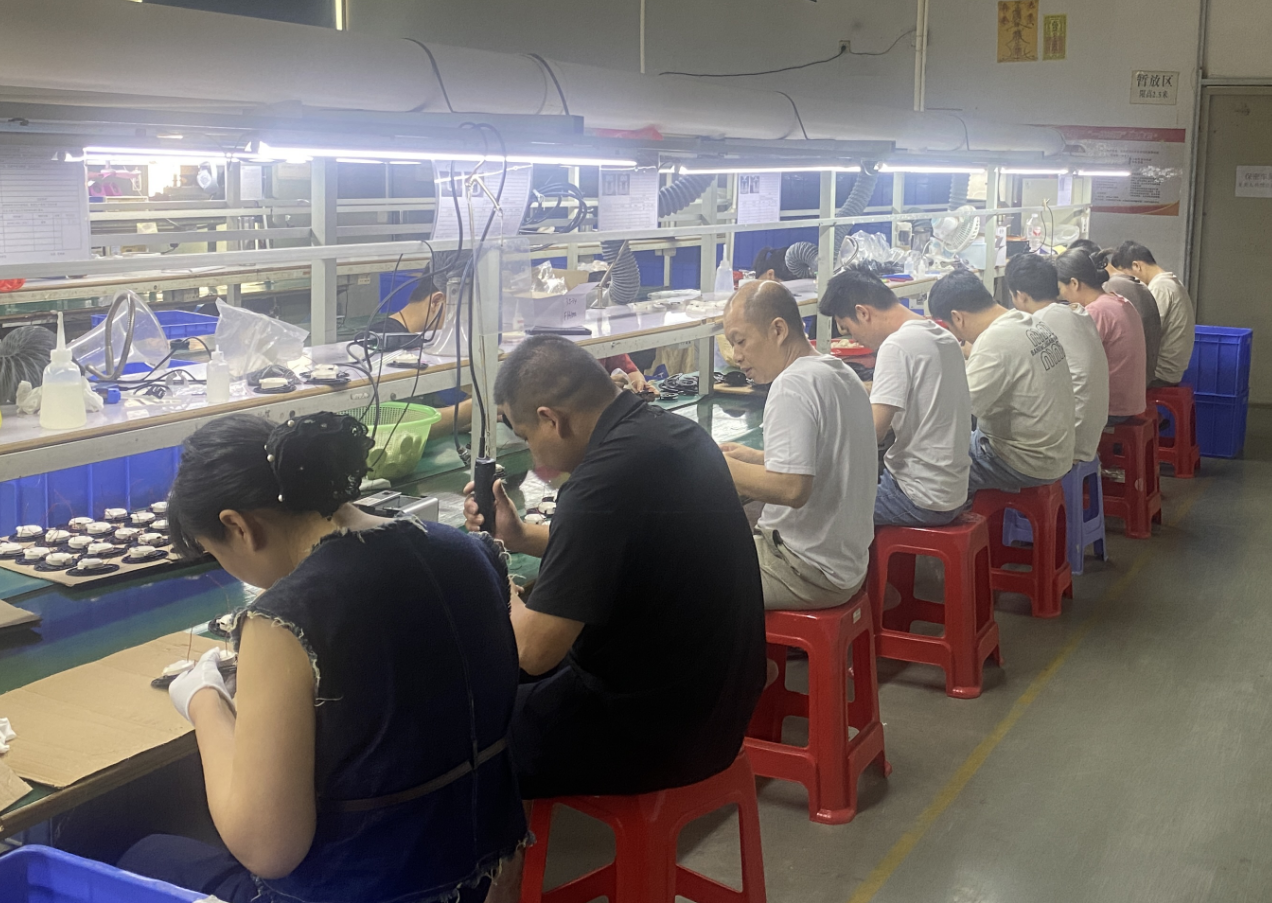
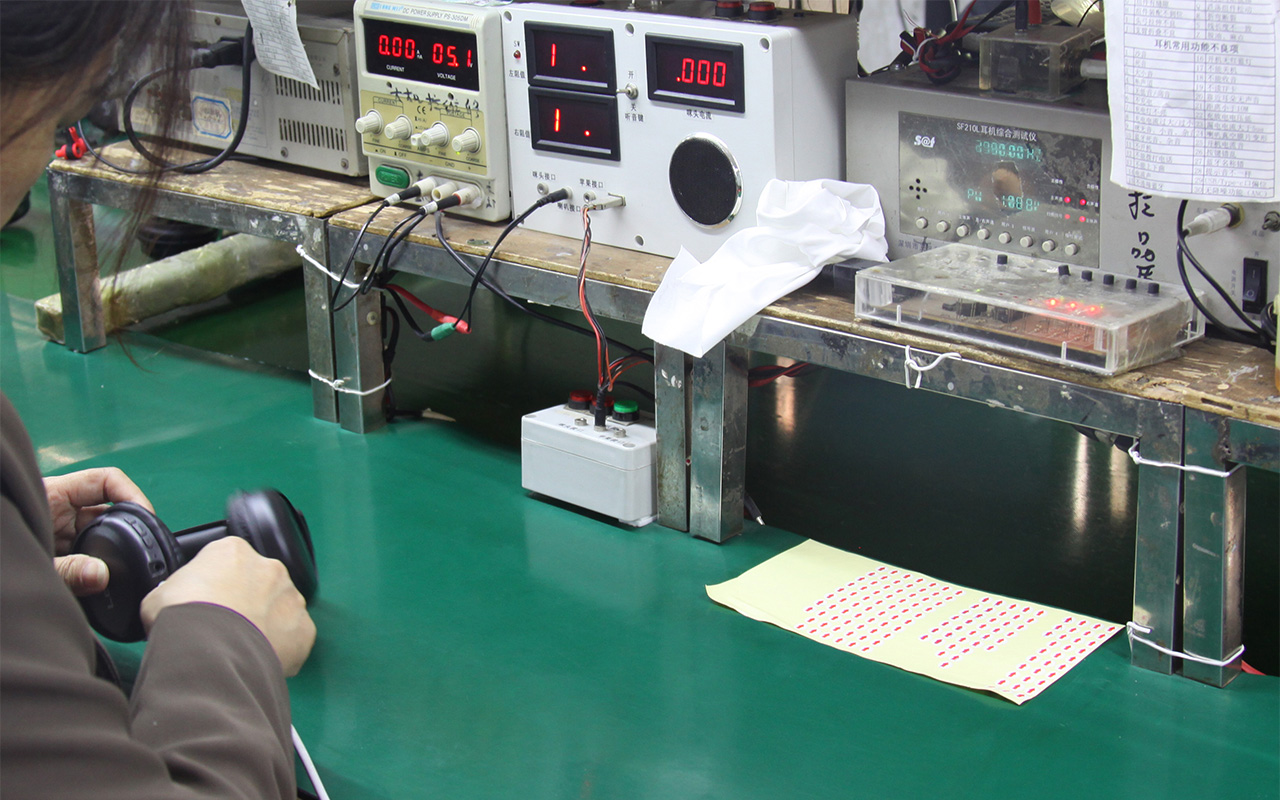
Shenzhen Soneng Technology Co., Ltd. has an extremely comprehensive and in-depth understanding of the headset business, and can provide professional cooperation support for customers. The company actively explores innovative solutions in the headset industry and improves multiple business levels, including brand building. Customers put forward technical problems through the company's professional team to study and put forward exclusive solutions. The company's quality standards are extremely strict, far exceeding the prevailing market level. Products from the project, research and development until the final completion stage are kept improving, forming a standardized management process.

Explore our complete spectrum of customizable Bluetooth headphones, headsets, and open-ear acoustic devices certified for academic institutions, consumer brands, and OEM/ODM distributors worldwide.
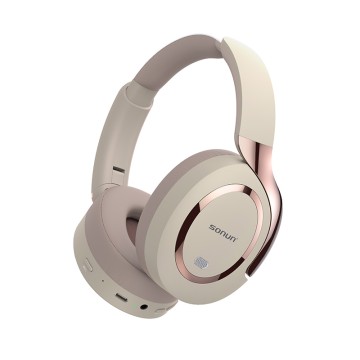
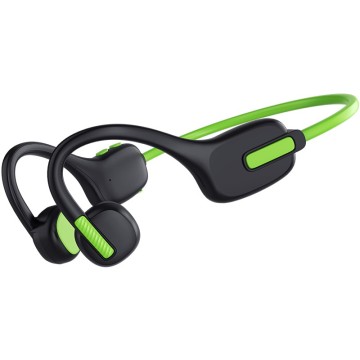
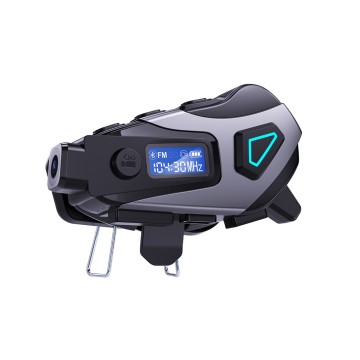
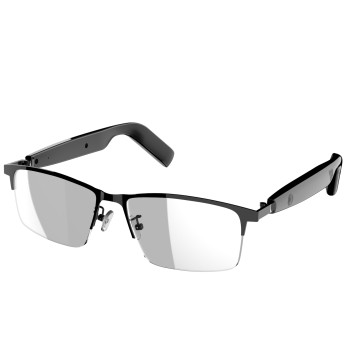
Manufacturing wireless audio devices for children requires stricter quality verification procedures than standard consumer electronics. At Shenzhen Soneng Technology Co., Ltd., our end-to-end production pipeline integrates electroacoustic simulated head and torso simulators (HATS) that evaluate frequency response, decibel safety adherence, and total harmonic distortion (THD) under real-world usage scenarios.
From injection molding using virgin medical-grade polymers to micro-soldering and ultrasonic assembly, each production step follows cleanroom-level quality benchmarks. Mechanical reliability is validated through rigorous drop tests, flex-cycle assessments, cable tensile tests, and sweat/humidity chambers. Our ODM/OEM supply chain enables partners to deploy customized, compliant audio hardware that meets both stringent global safety standards and consumer expectations.