Leave Your Message
Engineered with Sub-20ms Synchronization, AI Environmental Beamforming Comms, and Pro-Grade Pinpoint Spatial Acoustics for Elite Tournament Performance.
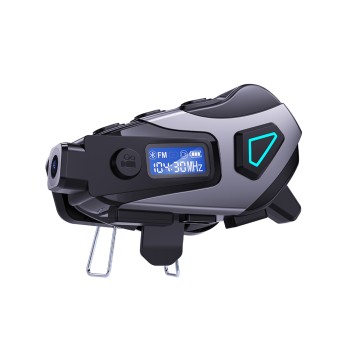
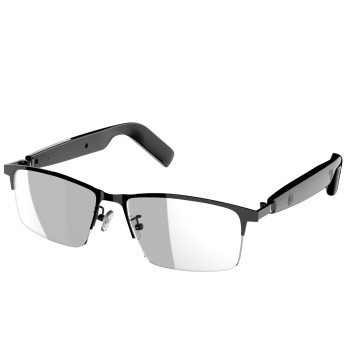
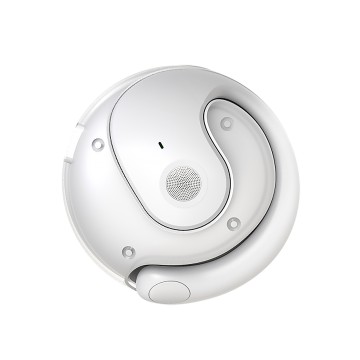
Explore our premier acoustic product lineup engineered to withstand the rigorous demands of professional competitive gaming, mobile e-sports circuits, and high-fidelity sound transmission.
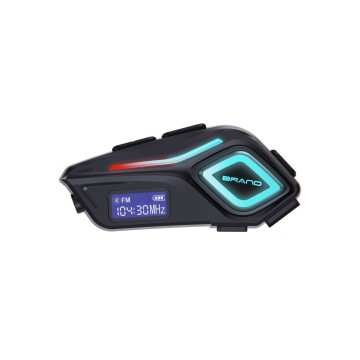
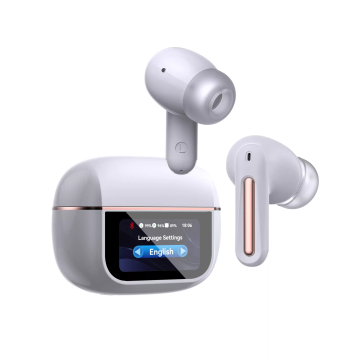
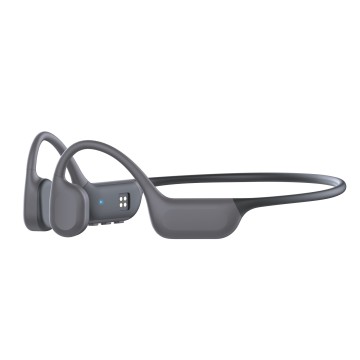
The global e-sports industry has experienced astronomical expansion, transitioning from niche LAN gatherings to multi-billion-dollar stadium tournaments broadcast to hundreds of millions worldwide. In this hyper-competitive ecosystem, audio fidelity is not merely a multimedia feature—it is a critical tactical vector. Historically, professional cyber-athletes relied strictly on bulky, cabled studio headsets to avoid audio latency, frame desynchronization, and transmission packet drops.
However, continuous breakthroughs in Bluetooth Low Energy (BLE) Audio, proprietary 2.4GHz dual-mode hybridization, and the advent of the LC3 (Low Complexity Communication Codec) protocol have completely disrupted the competitive acoustic landscape. Modern Bluetooth earphones designed for professional gaming now achieve imperceptible end-to-end transmission latencies below 20 milliseconds, matching or exceeding traditional wired analog connections while liberating players from cumbersome cables.
According to recent global gaming hardware analytics, the e-sports wireless audio segment is compounding at a CAGR of over 14.8%. This surge is propelled by the global dominance of mobile e-sports titles such as PUBG Mobile, Free Fire, and Honor of Kings, alongside cross-platform competitive ecosystems. Hardware manufacturers, OEM/ODM innovators, and team franchises are heavily investing in custom-tuned earphone architectures that seamlessly integrate active acoustic filtering, spatial tracking, and ultra-high bandwidth data channels.
Delivering an authentic tournament-grade acoustic advantage requires multi-layered synergy across RF hardware, custom DSP firmware, and physical ergonomic structures.
Standard Bluetooth audio profiles (SBC/AAC) often suffer from 120ms to 200ms delays—a fatal bottleneck when split-second visual-audio correlation determines victory. Through customized Qualcomm aptX Adaptive Low Latency, custom 2.4GHz ISM-band RF pairing, and optimized buffer queue controllers, tournament-grade Bluetooth earphones compress latency down to sub-20ms, rendering gunfire and footsteps instantaneous with on-screen pixels.
Integrating Head-Related Transfer Function (HRTF) algorithms and dynamic multi-channel 3D spatial engines, modern gaming earbuds create an immersive 360-degree sound dome. Players can precisely discern verticality (elevated sniper perches), velocity (approaching vehicular mechanics), and micro-distance cues (reloading mechanisms behind physical barriers) with surgical positional accuracy.
Competitive arena tournaments generate thunderous crowd roar reaching over 90 dB. E-sports Bluetooth earphones integrate dual-beamforming MEMS microphones coupled with deep neural network (DNN) Environmental Noise Cancellation (ENC). The DSP continuously filters out external acoustic chaos, isolating and boosting the vocal frequency band to ensure crystal-clear tactical communications.
In tactical shooters, audio is the single most actionable information gathering tool. A competitive earphone requires a specialized parametric equalizer profile where the sub-bass frequencies (which often cause muddy resonance during grenade explosions) are controlled, while the upper-mid frequencies (2 kHz – 5 kHz) are accentuated. This precise acoustic calibration allows tactical players to perceive the faint scuff of a sneaker on concrete or the unpinning of a flashbang two corridors away.
Battle Royale arenas require extreme dynamic range handling. An athlete must simultaneously parse distant sniper trajectories across 400 meters of terrain while tracking close-quarters vertical zipline movements in multi-story buildings. Bluetooth earphones with composite biocellulose or graphene dynamic drivers deliver high transient response, preventing audio distortion during intense multi-squad engagements.
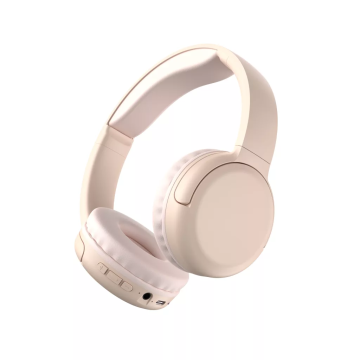
Mobile e-sports athletes encounter unique physical constraints. Over-ear headsets often cause physical interference with hand placement and thermal buildup over long tournament sessions. Ultra-light in-ear Bluetooth earphones (TWS) offer complete ergonomic freedom. Equipped with gaming-mode Bluetooth 5.4 chipsets, they ensure low-drain continuous operational stability without throttling transmission bandwidth.
Modern high-level competitive circuits utilize dual-stream audio channels. E-sports Bluetooth architectures allow simultaneous multi-point Bluetooth pairing—enabling players to receive direct in-game engine sound while staying linked to dedicated tactical coaching VoIP channels with zero signal interference or channel switching delays.
Professional cyber-athletes regularly practice between 8 to 14 hours per day under high physiological and psychological stress. Traditional heavy headsets inflict substantial clamping pressure, leading to temporal bone fatigue, localized heat buildup, and reduced situational focus.
Next-generation Bluetooth gaming earphones utilize 3D-scanned concha cavity mapping, skin-friendly medical-grade silicone ear-tips, and balanced acoustic back-chambers that alleviate inner ear canal pneumatic pressure. This ensures that even during prolonged best-of-five grand finals, players experience zero physical discomfort or auditory fatigue.
Furthermore, integrated high-density lithium polymer battery cells with low-power intelligent power management ICs guarantee continuous 8+ hour operational autonomy on a single charge, supported by rapid-charging docks that deliver 2 hours of competitive runtime in just 10 minutes.
Shenzhen Sonun Technology Co., LTD., a headphone factory founded in 2006, has carved out a niche for itself in the global market with its exceptional OEM and ODM private-label services. Over the past two decades, we've honed our craft, earning a solid reputation for delivering high-quality, innovative headphone solutions to international brands.
Equipped with precision acoustic testing chambers, anechoic test rooms, automated SMT assembly lines, and specialized RF performance analyzers, Sonun delivers cutting-edge Bluetooth gaming and professional audio solutions that meet rigorous international performance criteria.
Empowering global brands with customized industrial ID design, firmware tuning, acoustic DSP customization, and scalable production infrastructure.
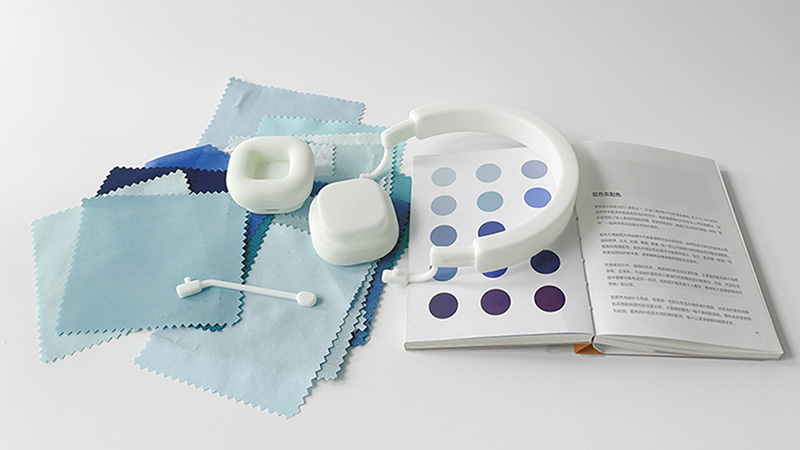
ODM work has made remarkable progress, mainly due to the input of independent design and research teams in various aspects. The design and research teams create new directions by thinking creatively and moving away from simply following market trends. The ODM team leads the industry trends and delivers product solutions with competitive advantages in the market. Product design combines beauty, comfort and smart technology. Sound quality is at the core of product development, and the research team has repeatedly improved and optimized product performance, committed to providing users with a high-quality listening experience.
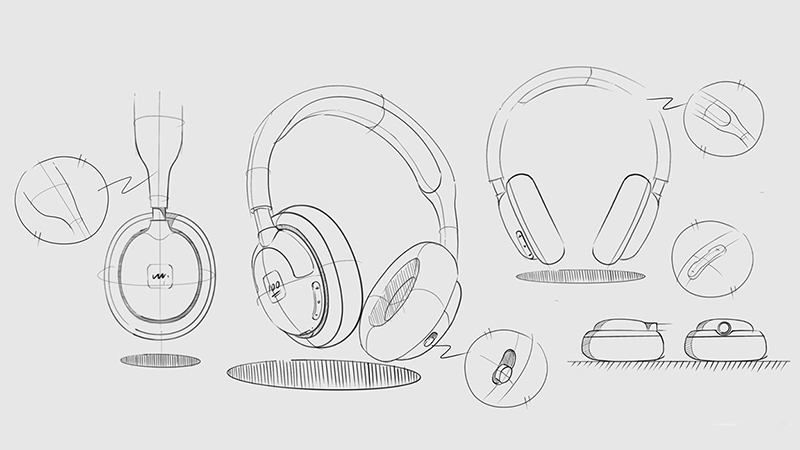
Our journey began with a simple yet ambitious goal: to become a leader in the headphone manufacturing industry. Today, we stand as a testament to that vision. Our OEM services are the backbone of our operations. We take great pride in our ability to meticulously follow client specifications, ensuring that each product we produce is a precise reflection of our clients' vision. Our experienced team, armed with state-of-the-art equipment, navigates the production process with precision and efficiency, adhering to stringent quality standards that are recognized globally.
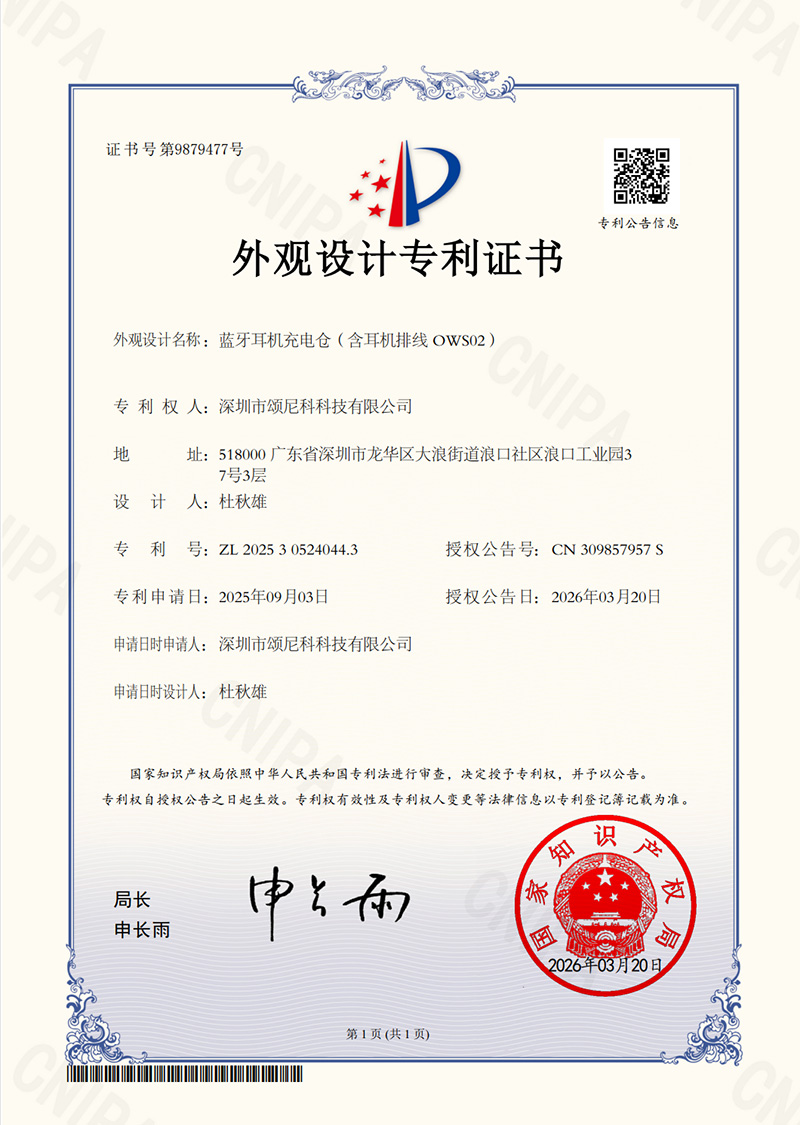
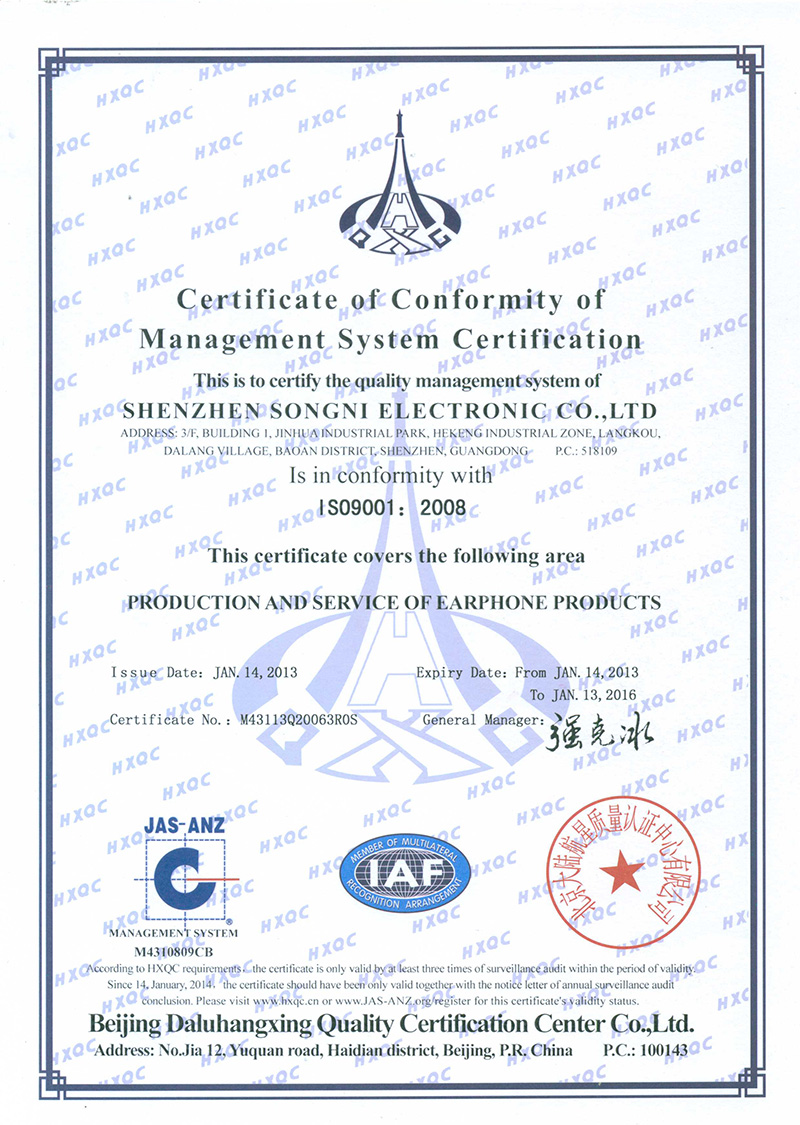
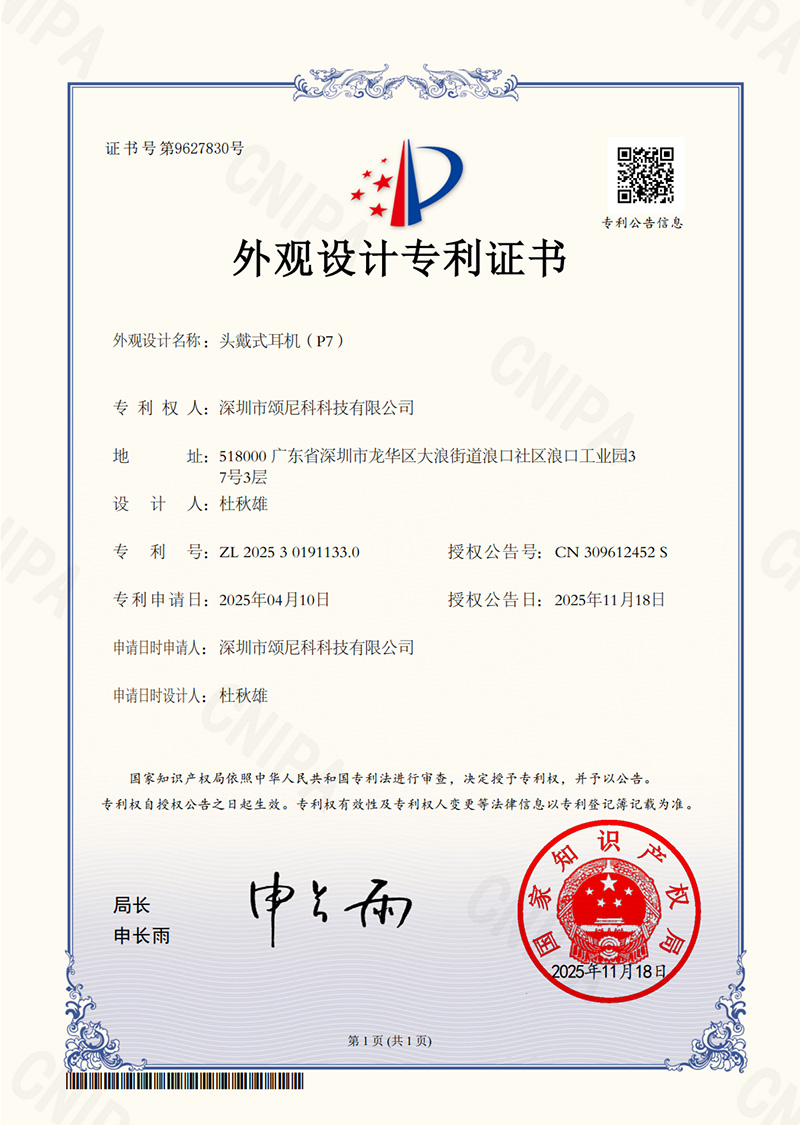
Our manufacturing facilities and Bluetooth wireless audio products strictly comply with world-class safety, environmental, RF emissions, and regulatory standards.
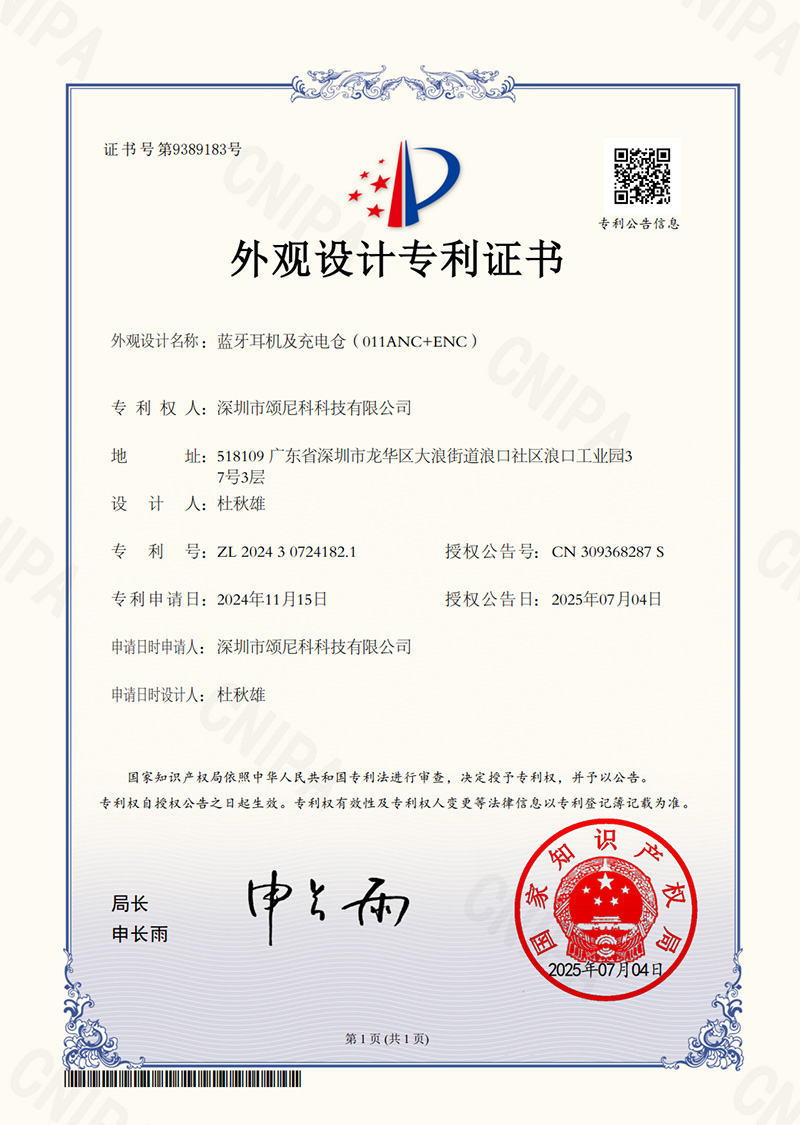
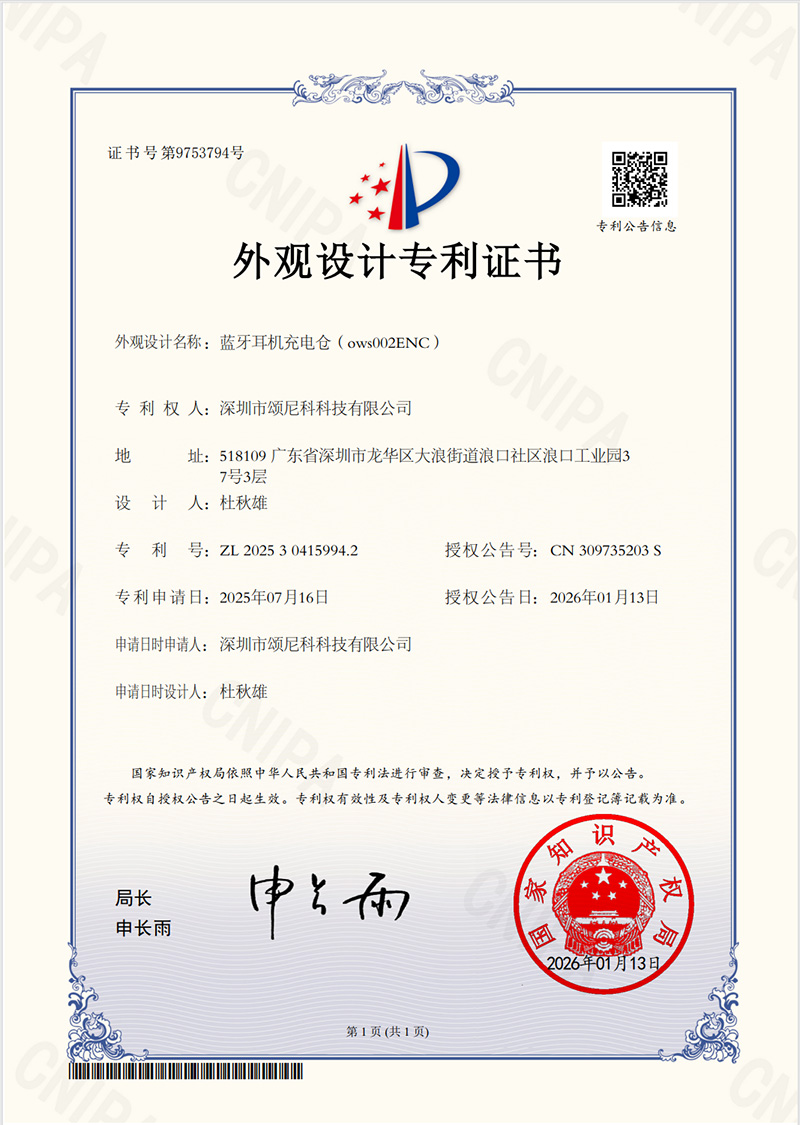
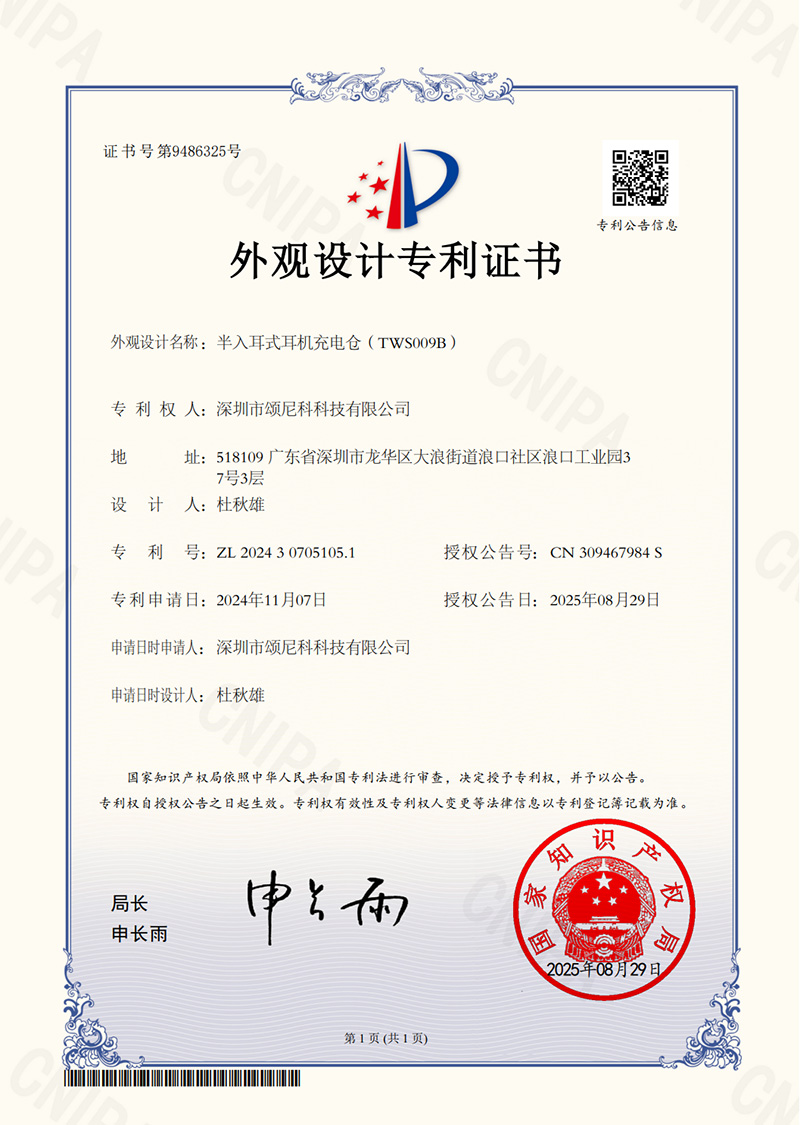


On-device edge AI algorithms are now capable of analyzing in-game acoustic feeds in real-time. By recognizing dynamic game states (e.g., active bomb sites, stealth sneaking phases), the onboard DSP dynamically suppresses irrelevant environmental ambient sounds while boosting critical audio signatures like footsteps and defusal clicks without user intervention.
Future professional e-sports earphones are integrating photoplethysmography (PPG) sensors directly within the earbud tip. This allows real-time monitoring of heart rate variability (HRV) and stress levels during pivotal rounds, feeding telemetry data directly to tactical coaching staff to optimize player rotation and timeout timing.
Bluetooth LE Audio Isochronous Adaptation Layer and Auracast technology will transform tournament venues. Coaches, analysts, tournament referees, and live audiences can tune directly into dedicated zero-latency audio channels directly from individual player perspectives, creating a fully synchronized competitive ecosystem.
Explore our comprehensive range of custom OEM/ODM wireless audio solutions, engineered for peak performance, extreme reliability, and versatile application scenarios across global industries.