Leave Your Message
China remains a major sourcing base for Wireless Headset products, serving retailers, distributors, and technology brands worldwide. Its manufacturing network covers compact office models, gaming headsets, sports earbuds, and advanced noise-cancelling designs. However, choosing a top manufacturer requires more than comparing factory photos or low quotations. Product consistency matters.
This guide examines Chinese manufacturers through practical buyer criteria. These include engineering capability, Bluetooth performance, microphone clarity, battery testing, acoustic tuning, and production capacity. It also considers OEM and ODM support, since global buyers often need customized logos, packaging, firmware, or earbud shapes. A reliable supplier should provide clear specifications, functional samples, quality-control records, and realistic production timelines.
Details reveal the difference. A sample may sound balanced in a quiet showroom but perform poorly near traffic or factory equipment. Battery claims should be checked under defined testing conditions. Certification documents also require careful verification for the destination market. No supplier is perfect. Even experienced factories may face component shortages, tooling delays, or communication gaps.
The manufacturers discussed here are selected for their manufacturing experience, technical resources, export familiarity, and ability to support repeat orders. Independent audits and sample testing remain important. Online rankings can change, and a supplier suitable for a large retail program may not fit a small startup. Buyers should compare evidence, not promises. This approach helps international customers identify a Wireless Headset partner with dependable quality, transparent communication, and sustainable long-term value.
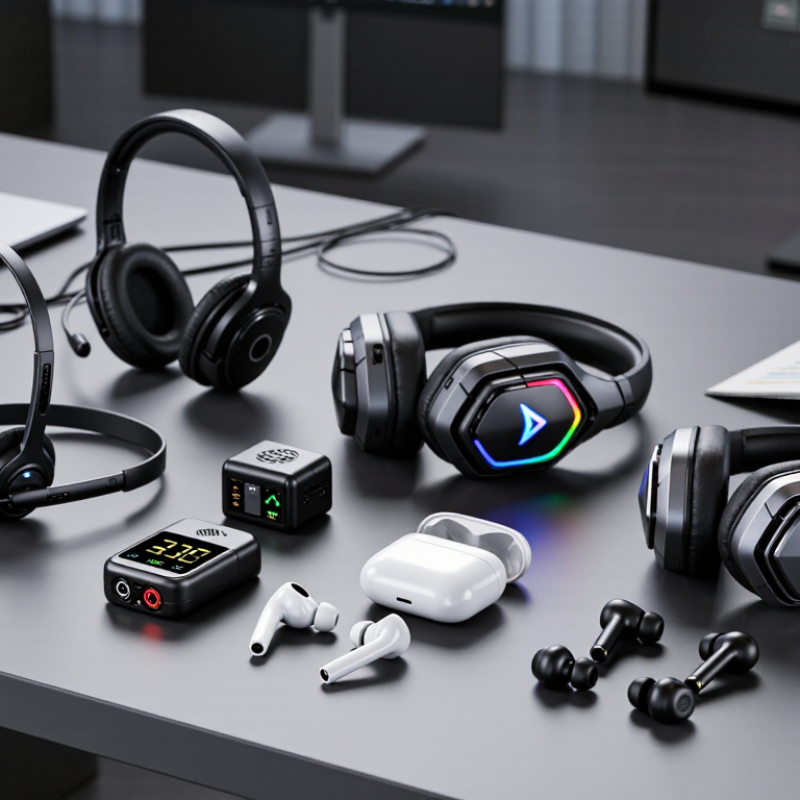
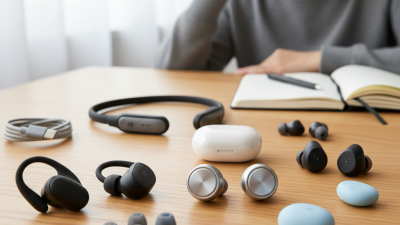
Wireless headsets now cover several distinct categories, including true wireless stereo earbuds, neckband models, office headsets, gaming headsets, and sports designs. Each category serves different buying conditions. A call center may value microphone clarity, while commuters often need noise control and compact charging cases.
Counterpoint reported 336 million TWS shipments in 2023. That number shows strong global demand, but it needs careful interpretation. Shipments do not equal active users or long-term satisfaction. Some products may remain in warehouses, while others fail after limited charging cycles. Buyers should examine battery test results, Bluetooth stability, microphone performance, and replacement policies.
Small details often reveal manufacturing quality. Check hinge strength on the charging case. Test pairing in crowded wireless environments. Review voice pickup beside traffic noise. For sports use, sweat resistance and secure fit matter more than decorative packaging. For business use, stable multipoint connections can save valuable minutes each day. Certification records and factory quality systems also deserve attention from global buyers. I have found that sample testing can expose problems that product sheets hide. Yet one sample is never enough. Repeated testing across batches gives a more reliable view, although it increases purchasing time and cost. Manufacturers serving international customers should provide clear specifications, traceable inspection records, and realistic delivery schedules.
| Wireless Headset Category | Industry Definition | Physical Design | Typical Use Cases | Key Procurement Dimensions | 2023 Shipment Data | Data Reference |
|---|---|---|---|---|---|---|
| True Wireless Stereo (TWS) | Two independent earbuds with no cable connecting the left and right earpieces; audio is transmitted wirelessly from the source device. | In-ear or semi-in-ear earbuds, normally supplied with a rechargeable charging case. | Mobile calls, commuting, travel, fitness, office use and everyday listening. | Bluetooth version and profiles, microphone performance, battery endurance, charging-case capacity, water-resistance rating, codec support, latency and firmware support. | 336 million units globally in 2023; approximately 3% lower year over year. | Counterpoint Research, global TWS shipment reporting for 2023. |
| Neckband Wireless Headsets | Wireless earbuds connected to a flexible neckband or cable around the user’s neck. | Two earbuds linked by a short cable or neckband containing the battery and control components. | Long-duration listening, commuting, outdoor activities and price-sensitive retail channels. | Neckband weight, cable durability, battery runtime, quick charging, microphone placement, sweat resistance and retail packaging. | Not separately quantified in the cited 2023 TWS shipment figure. | Category classification; the cited Counterpoint figure covers TWS shipments, not all neckband shipments. |
| Wireless Over-Ear Headphones | Headphones with earcups that fully surround the ears and connect to a source device wirelessly. | Large padded earcups with an adjustable headband; may support active noise cancellation. | Air travel, home entertainment, professional work, study and premium listening. | Active noise cancellation, transparency mode, comfort, foldability, battery runtime, multipoint connectivity, microphone quality and carrying-case design. | Not separately quantified in the cited 2023 TWS shipment figure. | Category classification; excluded from the 2023 TWS-only shipment total. |
| Wireless On-Ear Headphones | Wireless headphones with ear cushions that rest on, rather than fully surround, the ears. | Compact earcups with a lightweight adjustable headband. | Portable listening, education, casual entertainment and general office use. | Weight, clamping force, foldability, battery life, microphone performance, Bluetooth stability and material durability. | Not separately quantified in the cited 2023 TWS shipment figure. | Category classification; excluded from the 2023 TWS-only shipment total. |
| Wireless Gaming Headsets | Wireless headsets designed for gaming, generally combining stereo audio, voice chat and low-latency transmission. | Usually over-ear, with a boom microphone and dedicated controls. | PC gaming, console gaming, cloud gaming and online team communication. | Wireless latency, platform compatibility, microphone clarity, battery runtime, chat mixing, surround-sound support and connection range. | Not separately quantified in the cited 2023 TWS shipment figure. | Category classification; gaming headsets are not included as a separate value in the cited TWS total. |
| Open-Ear Wireless Headsets | Wireless audio devices designed to leave the ear canal open or allow environmental sound to remain audible. | May use directional speakers, ear hooks or other non-sealing wearing structures. | Outdoor exercise, cycling, walking, workplace awareness and users who need ambient sound. | Sound leakage control, wearing stability, weather resistance, microphone wind performance, battery life and comfort during extended use. | Not separately quantified in the cited 2023 TWS shipment figure. | Category classification; open-ear products are not separately identified in the cited TWS shipment total. |
| 2023 Global TWS Market Reference | Global shipment benchmark for completely wireless stereo earbuds. | Includes independent left and right earbuds sold as a TWS product set, generally with a charging case. | Reference metric for supplier comparison, production planning and market sizing. | Shipment volume, year-over-year change, production capacity, quality consistency, certification readiness and export compliance. | 336 million units; approximately 3% year-over-year decline. | Counterpoint Research, 2023 global TWS shipment estimate. |