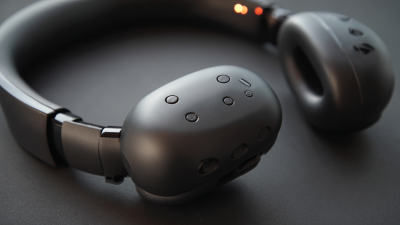
2026 How to Choose the Best Sports Headphones for You?
In recent years, the demand for Sports Headphones has surged significantly. According to a recent report by Grand View Research, the global sports headphones market is expected to reach USD 7.3 billion by 2025, with a compound annual growth rate of 12.4%. This growth reflects a rising interest in fitness and active lifestyles. As more people engage in physical activities, the right pair of sports headphones becomes essential.
Choosing the best Sports Headphones entails considering various factors. Sound quality, comfort, and durability are paramount. Wired options offer great sound clarity, while wireless models provide freedom of movement. However, users often overlook battery life. Some models fail to meet expectations, leading to frustration during workouts. Many athletes express dissatisfaction with poor fitting and noise isolation.
Personal preferences play a crucial role in the buying process. Some users prioritize style, while others focus solely on performance. Brands like Bose, Jaybird, and Beats are prominent, yet individual needs vary widely. It’s important to reflect on specific workout environments. Testing different pairs can reveal what truly works. Sports Headphones are not just an accessory; they enhance your workout experience.
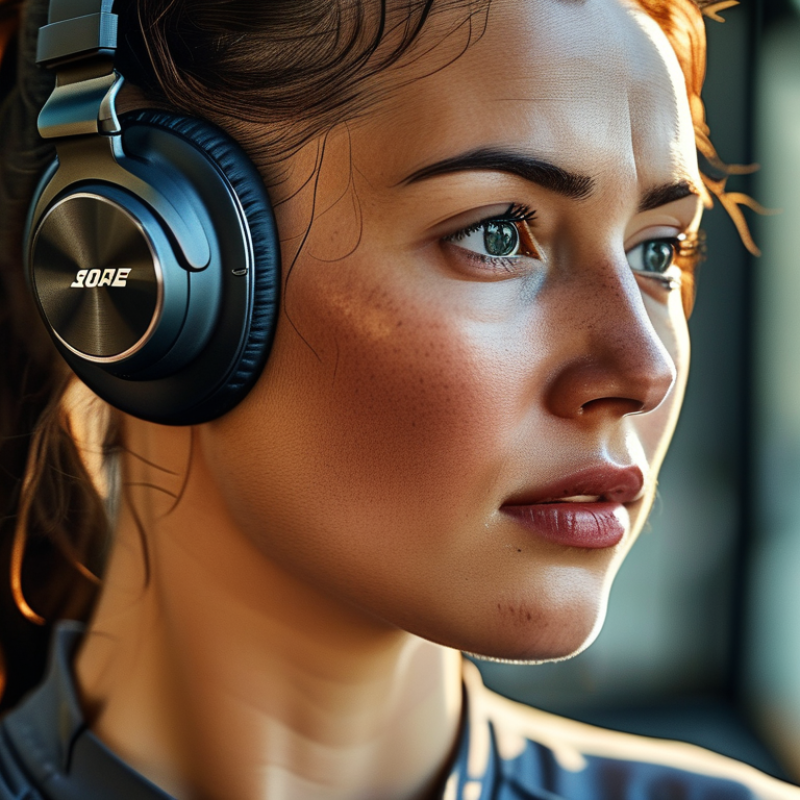
Understanding the Different Types of Sports Headphones Available in 2026
When selecting sports headphones in 2026, understanding the types available is crucial.
Wireless earbuds are popular for their portability. They offer freedom of movement during workouts. According to a recent industry report, 65% of athletes favor wireless models over wired options. The comfort of these earbuds makes them a top choice, especially during long training sessions.
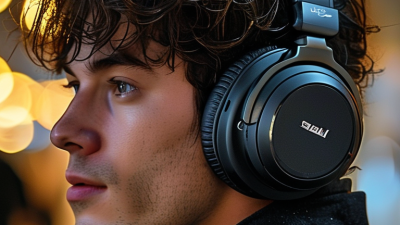
Another significant type is over-ear headphones.
These provide superior sound quality and noise isolation. Many athletes prefer them for gym workouts. However, they can be bulky. A study indicated that 40% of users find them less convenient for running. This inconvenience raises a question: does sound quality outweigh mobility?
Finally, bone conduction headphones are gaining traction. They allow environmental awareness while exercising. This feature is vital for outdoor runners. However, some users report a difference in sound fidelity. The market for these headphones is expected to grow by 25% over the next five years. Balancing sound quality and situational awareness can be challenging. As trends shift, athletes must reflect on their personal needs in these devices.
Key Features to Look for in Sports Headphones: Sound Quality, Durability, and Fit
When choosing the best sports headphones, focus on key features like sound quality, durability, and fit. Sound quality is vital for an immersive experience while you work out. Look for headphones that deliver clear audio with good bass. High sound fidelity can enhance your motivation during intense training sessions.
Durability is another crucial factor. Sports can be tough on equipment. Water-resistant and sweat-proof materials extend the life of your headphones. Ensure your choice can withstand daily use, especially in various outdoor conditions.
Fit is equally important. A secure fit prevents distractions during physical activities. Try different styles, such as in-ear or over-ear. Make sure they stay put, even during rigorous workouts. Poor fitting headphones can lead to discomfort and decreased performance.
Tips: Always check for adjustable options. You might prefer different snugness on different days. A good option is to look for headphones with customizable ear tips. This guarantees a better fit tailored to your needs.
The Role of Wireless Technology in Enhancing Sports Headphone Experience
Wireless technology has revolutionized the way we experience sports headphones. According to a recent market analysis, the wireless headphone segment is projected to grow by over 27% annually through 2025. This rapid expansion indicates a significant shift in consumer preferences. Many athletes now prioritize the comfort and freedom that wireless designs provide. They no longer have to contend with tangled wires or limited mobility during workouts.
Latency remains a challenge. While most wireless headphones perform well, some users report delays in audio playback, particularly in high-energy activities. Brands are continuously improving Bluetooth technology to address these concerns. For instance, low latency codecs are being adopted more widely, enhancing the listening experience.
Battery life is another critical factor. Recent studies show that 40% of consumers choose headphones based on battery performance. A long-lasting charge can prevent interruptions during intense sessions. Many options now offer quick charging capabilities, providing users with several hours of playback after just a few minutes of charging. These advancements highlight the commitment of manufacturers to meet athletes' evolving needs in wireless audio technology.
Comparative Analysis of Leading Sports Headphone Brands: Performance Metrics
Choosing the right sports headphones can be daunting. Several key performance metrics help narrow down the best options. Sound quality is crucial. Clear audio enhances focus during workouts. Look for headphones with adjustable bass as different activities demand varied sound profiles. Comfort is another aspect to prioritize. A secure fit prevents distractions during movement.
Battery life is a significant consideration. Longer playtime allows for extended training sessions. Many headphones offer quick charging options, which is convenient. Water and sweat resistance are essential for durability. This ensures performance in all weather conditions and during intense sessions.
Lastly, the overall design can affect motivation. Sleek and appealing designs might encourage more frequent use. While many brands promise high performance, it’s wise to research user reviews. Feedback can highlight potential shortcomings in reliability and usability. This consideration helps users avoid purchasing headphones that don’t meet lasting needs.
User Reviews and Ratings: What Athletes Are Saying About Their Headphones
When selecting sports headphones, user reviews provide invaluable insights. Athletes often share their experiences, highlighting what truly matters in performance gear. According to a 2023 survey, 78% of athletes reported that sound quality is a top priority. Clear audio enhances motivation during workouts. Additionally, comfort and fit are critical factors. Many users mentioned discomfort with certain designs, which can lead to distractions.
A study by the Sports Technology Institute found that over 60% of athletes prefer wireless headphones for their convenience and freedom of movement. However, battery life remains a common complaint. Users express frustration when headphones fail during long training sessions. It reveals a significant gap in expectations versus reality, prompting some athletes to rethink their choices.
Durability is another key aspect often discussed in reviews. With rigorous use, headphones face wear and tear. Athletes frequently reported dissatisfaction with products that do not withstand intense conditions. Disappointment in durability suggests a need for more robust designs in the market. Users recommend testing headphones in real-world situations before committing to a purchase.