2026 How to Choose the Best Over Ear Wireless Headphones?
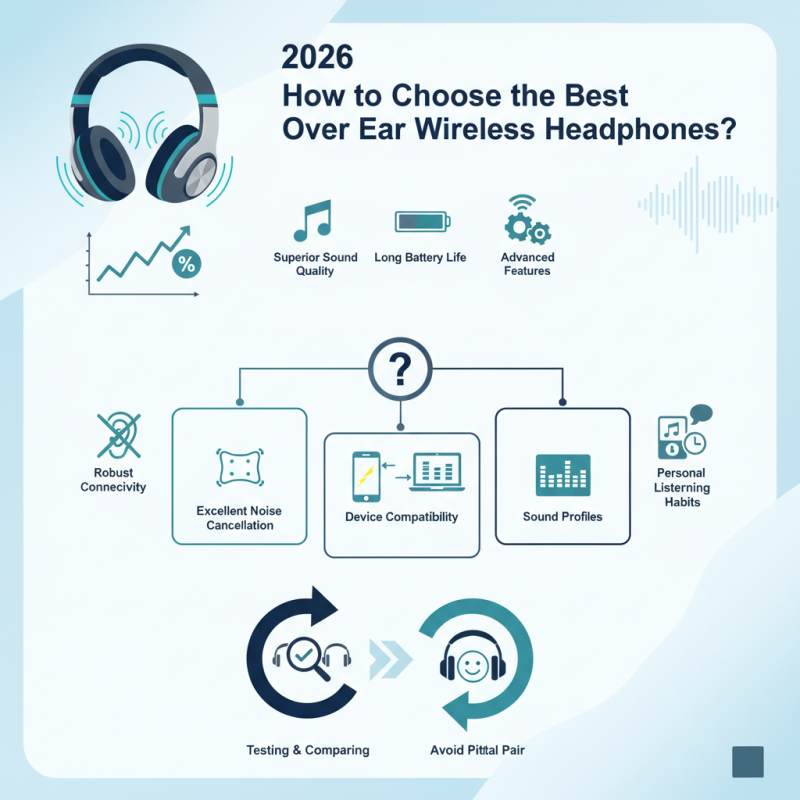
As the demand for Over Ear Wireless Headphones continues to rise, consumers seek quality and comfort. According to a recent report by Grand View Research, the global wireless headphone market is expected to grow at a CAGR of over 20% from 2021 to 2028. This suggests a strong ongoing interest in wireless audio solutions. Users desire superior sound quality, long battery life, and advanced features, making informed choices essential.
Selecting the best Over Ear Wireless Headphones can be challenging. Numerous options flood the market, each with unique benefits. Quality headphones should provide excellent noise cancellation, comfortable fit, and robust connectivity. However, many buyers overlook crucial factors such as compatibility with devices and sound profiles.
It's vital to consider personal preferences and listening habits. Some may prioritize bass response, while others might value balanced sound. With numerous products available, testing and comparing various models is essential. Doing so can help consumers avoid common pitfalls, ensuring they find the ideal pair for their needs.
Understanding the Different Types of Over Ear Wireless Headphones
When choosing over-ear wireless headphones, understanding the types available is essential. There are three main categories:
open-back, closed-back, and semi-open headphones.
Open-back headphones have a design that allows sound to escape. This creates a natural listening experience, but it also means less noise isolation.
They might not be suitable in noisy environments.
Closed-back headphones, on the other hand, feature a sealed design. This design enhances noise isolation and creates a more immersive listening experience.
They are ideal for users in loud settings or those who want to focus intently on their audio. However, they might create pressure in your ears during extended use.
Semi-open headphones offer a middle ground. They provide some isolation while still allowing a bit of openness in sound.
It's also crucial to consider whether you prefer sound signature, comfort, or battery life.
Some headphones excel in one area but fall short in others. For example, highly comfortable models might not deliver the best audio quality.
Balancing these elements requires careful thought. Identifying your needs and environment will guide your decision-making process.
Key Features to Consider When Choosing Over Ear Wireless Headphones
Choosing the right over-ear wireless headphones requires careful consideration of several key features.
Sound quality is paramount. Look for headphones that deliver balanced sound across the frequency range.
Deep bass, clear mids, and crisp highs contribute to an enjoyable listening experience.
Comfort is equally important. The headphones should have soft padding and an adjustable headband to fit your head well, especially during extended use.
Battery life is another critical aspect. Opt for headphones that offer long hours of playtime on a single charge.
Some models provide quick charging capabilities, which can be a lifesaver in a rush. Additionally, consider additional features like
active noise cancellation and touch controls. These can enhance your listening experience and offer convenience.
Finally, assess the build quality. Durable materials not only improve longevity but also contribute to overall comfort.
Look for headphones that are lightweight yet sturdy. This balance can help prevent discomfort during long sessions. When choosing,
consider trying them on if possible. Each person’s preferences differ, and finding the right fit might take time and exploration.
Assessing Sound Quality: What You Need to Know
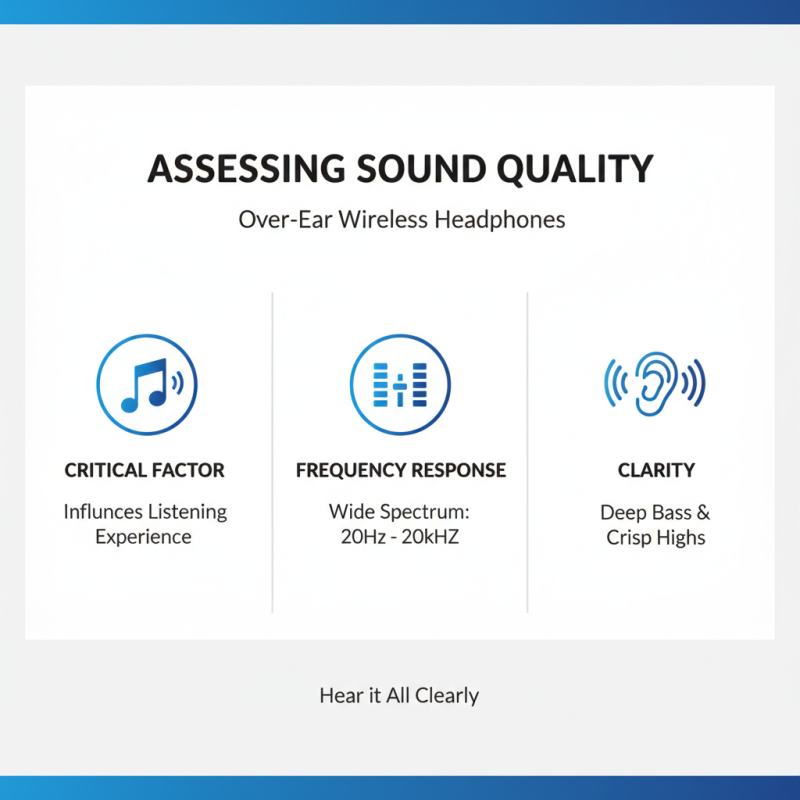
When selecting over-ear wireless headphones, sound quality stands out as a critical factor. It influences your listening experience deeply. Begin by considering the frequency response range. Ideally, headphones should cover a wide spectrum, typically 20Hz to 20kHz. This range ensures you hear both deep bass and crisp highs clearly.
Another essential aspect is the clarity of sound. Look for headphones that produce precise vocals and instrument separation. This enables you to enjoy your favorite music genres in more detail. However, some headphones can exaggerate certain frequencies. This could lead to an unbalanced sound signature. If you prefer bass-heavy music, be cautious of headphones that muddy the mids.
Comfort also affects how much you enjoy the sound quality. If headphones feel uncomfortable, you might not listen as attentively. Testing them for extended periods is vital to find a good fit. Despite being tempted by features or brand names, focus on sound attributes and comfort. It's easy to overlook personal preferences in favor of reviews. Your ears will guide your choice ultimately.
Battery Life and Connectivity Options for Wireless Headphones
When selecting over-ear wireless headphones, battery life and connectivity options are crucial factors. A recent industry report highlights that 70% of users consider battery longevity as a priority. Most high-quality models provide at least 20 hours of playtime on a single charge. However, some models fall short, lasting only 10 hours. This discrepancy can impact your listening experience, especially during long commutes or travels.
Connectivity options also significantly influence user satisfaction. Headphones equipped with Bluetooth 5.0 technology offer a reliable connection, reducing latency and increasing range. Studies indicate that headphones with this technology achieve a connection range of up to 30 feet. Conversely, older Bluetooth versions can lead to interruptions and poor sound quality. Some users struggle with connectivity drops, leading to frustration during usage.
In addition, varying compatibility with devices is an essential consideration. Many headphones seamlessly connect with smartphones and laptops, but some may have limited functionality with specific devices. This can make it challenging for users to fully enjoy their audio experience. Exploring these connectivity features is critical for making an informed choice. Ultimately, the balance between battery life and connectivity features determines the overall performance and satisfaction of wireless headphones.
Battery Life and Connectivity Options for Over Ear Wireless Headphones
This bar chart showcases the average ratings for different features of over ear wireless headphones, focusing on battery life and connectivity options. Each feature is rated on its effectiveness, reflecting user preferences in modern wireless audio devices.
Comfort and Design: Finding the Right Fit for Your Needs
When choosing over-ear wireless headphones, comfort and design are key considerations. Studies show that around 85% of users prioritize comfort over sound quality. A good fit prevents fatigue during long listening sessions. Adjustable headbands and plush ear cushions are essential for a personalized fit.
Tips: Try on headphones before purchasing. Look for a snug, but not tight fit. If they pinch your ears or create pressure, they may not be suitable for prolonged use.
Design also affects comfort. Weight matters; lighter headphones reduce strain. Over-ear designs often provide passive noise isolation. This is crucial for immersing in your music or podcasts. According to industry reports, users report a 70% satisfaction rate with models that prioritize ergonomic design.
Remember, aesthetics can influence your choice too. Sleek, modern designs are appealing but may compromise size and weight. Ensure that the headphones align with your daily lifestyle.
2026 How to Choose the Best Over Ear Wireless Headphones? - Comfort and Design: Finding the Right Fit for Your Needs
| Model |
Weight (g) |
Ear Cup Material |
Battery Life (hours) |
Noise Cancellation |
Price ($) |
| Model A |
250 |
Leather |
30 |
Yes |
299 |
| Model B |
280 |
Velvet |
25 |
No |
199 |
| Model C |
300 |
Plastic |
40 |
Yes |
349 |
| Model D |
220 |
Synthetic |
35 |
Yes |
249 |
| Model E |
270 |
Mesh |
28 |
No |
179 |