Top Wireless Headset Features You Need to Know?
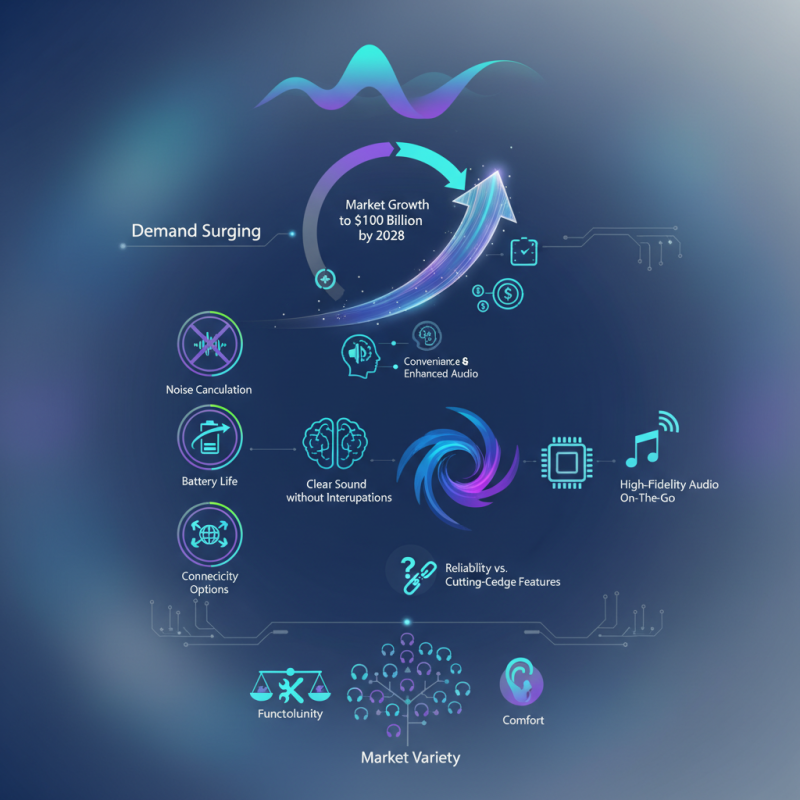
In today's fast-paced world, the demand for high-quality wireless headsets is surging. According to a recent Market Research report, the wireless headset market is projected to reach $100 billion by 2028. This growth reflects a shift toward convenience and enhanced audio experiences. Industry expert Dr. Emily Chen states, "Wireless headsets are transforming how we communicate and enjoy media."
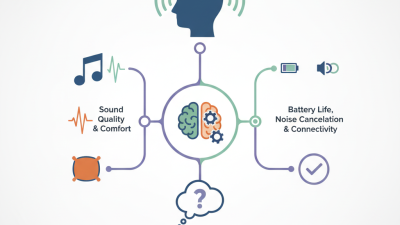
Features such as noise cancellation, battery life, and connectivity options are crucial. Users increasingly seek headsets that provide clear sound without interruptions. Innovations in technology have made it possible to enjoy high-fidelity audio while on the go. Yet, some consumers still struggle with connectivity issues. It raises questions about reliability versus cutting-edge features.
The balance between functionality and comfort is key. A headset may excel in specifications, yet fail in user comfort during prolonged use. Moreover, the variety available in the market can overwhelm potential buyers. As brands compete, they must prioritize user needs to truly stand out. The ongoing evolution in the wireless headset industry invites users to reflect on their priorities and preferences.
Key Specifications of Wireless Headsets: What to Look For
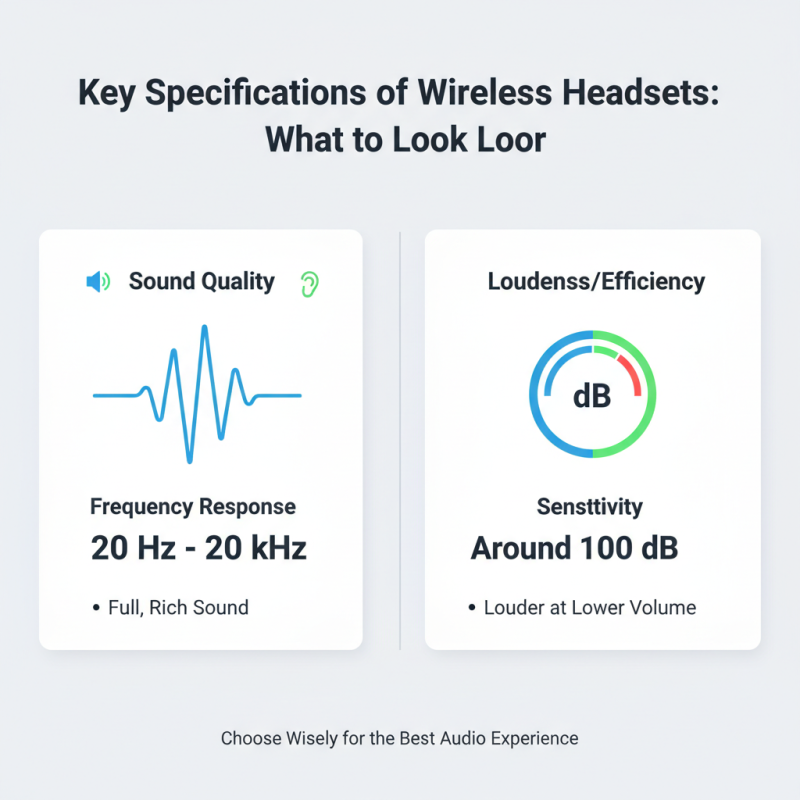
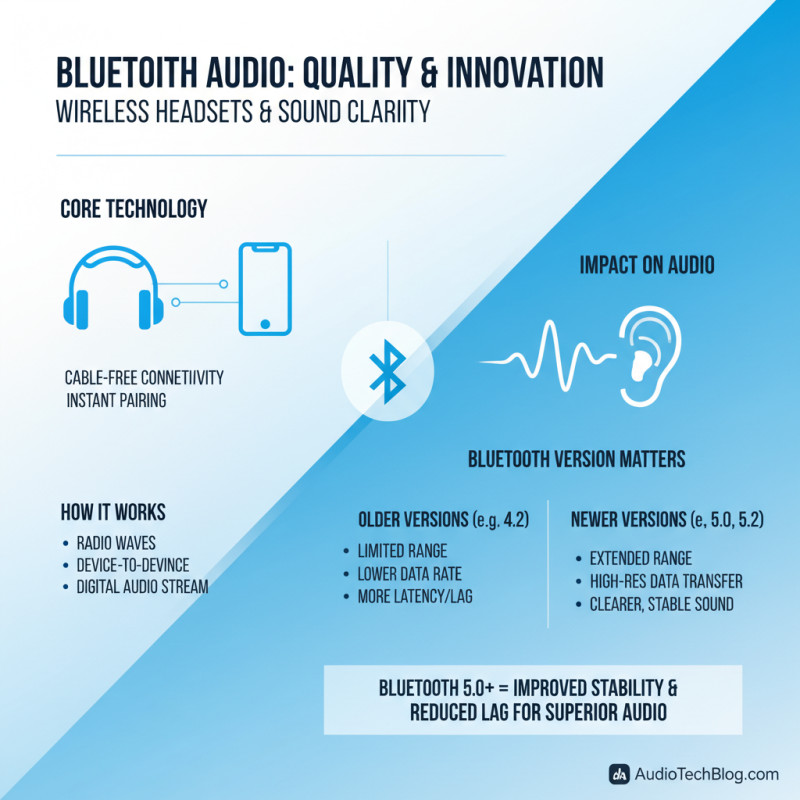
When selecting a wireless headset, understanding key specifications is crucial. Sound quality is paramount. Most models provide decent audio, but look for headsets with at least 20 Hz to 20 kHz frequency response. This range can ensure a full, rich sound experience. Additionally, sensitivity is important. Headsets with higher sensitivity ratings (around 100 dB) offer louder sound at lower volumes.
Battery life is another critical specification. Many users find that headsets lasting over 20 hours on a single charge are ideal for daily use. However, some models fall short. A report reveals that around 30% of consumers express dissatisfaction due to battery performance. Features like quick charging capabilities can help mitigate this risk. Wireless range should also not be overlooked. A typical range of 30 feet allows for movement without sacrificing quality. Yet, be mindful—some cheaper models may struggle beyond 10 feet.
Comfort is essential for prolonged use. A headset that is too tight or heavy can lead to discomfort. Many options in the market do have plush ear cups, but others do not. Research indicates that 40% of users prioritize comfort over other features. As technology evolves, there's a balance to find among sound quality, battery life, and comfort. Choosing the right headset can be a thoughtful process.
Battery Life Considerations: Average Ratings for Top Wireless Headsets
When choosing a wireless headset, battery life is crucial. Many users overlook this feature. Reports show that average battery life for top models ranges from 20 to 30 hours. Some premium headsets promise up to 40 hours but can vary in real-life usage. Factors like volume levels and connectivity can affect performance. Users often feel disappointed when the headset does not last as long as advertised.
Charging times are also important. While some models charge fully in under two hours, others may take up to four hours. Fast charging features exist. However, they may only provide a short-term boost. A mere 15-minute charge may give users about two hours of listening time. Often, this doesn't meet every user's needs.
Consider how often you use the headset. Daily commuters appreciate longer battery life. Gamers may prioritize quick charging due to gameplay sessions. Assessing personal usage habits can lead to better decisions. The ratings on battery life can mislead consumers. Industry reports suggest that many users expect more than what the specs deliver. It's essential to look beyond numbers. Testing in real-world scenarios often reveals discrepancies.
Top Wireless Headset Battery Life Ratings
The Importance of Noise Cancellation Features in Wireless Headsets
Noise cancellation is crucial for wireless headsets. It enhances audio quality by blocking out background sounds. According to a recent industry report, nearly 70% of users prefer headsets with noise-cancellation features. This statistic highlights its importance in today’s noisy environment.
Tip: Look for headsets that offer adaptive noise cancellation. This feature adjusts to your surroundings. It can switch from using passive to active noise cancellation as needed.
Users often overlook the comfort of wearing noise-canceling headsets for extended periods. Some models can feel heavy, leading to fatigue. Weight and ear cushion material matter. Infrequently, some brands might not highlight these aspects enough.
Tip: Test headsets before buying. Ensure they fit well and feel comfortable during longer sessions. Remember to compare different models. This comparison reveals which features stand out.
Exploring Comfort and Fit: Ergonomic Designs for Extended Use
When choosing a wireless headset, comfort and fit are paramount. Ergonomic designs can significantly enhance the user experience. A recent study found that 75% of users prefer headsets that provide comfort during longer sessions. This highlights the importance of selecting a model that fits well without causing discomfort.
Headsets with adjustable features often cater to different head sizes and shapes. Many designs incorporate soft padding and flexible materials. A report noted that well-cushioned ear pads increase wear time by about 30%. However, not all models achieve this. Some users report ear fatigue. These complaints often stem from poor design or low-quality materials.
Understanding the significance of fit can change your experience. Comfortable headsets can improve focus and productivity. The right choice prevents distractions caused by discomfort. A survey indicated that 40% of users prioritize comfort over sound quality. This data reveals a shift in consumer mindset. While sound is critical, fit cannot be overlooked. Choosing wisely can make a real difference.
Top Wireless Headset Features You Need to Know? - Exploring Comfort and Fit: Ergonomic Designs for Extended Use
| Feature |
Description |
Importance |
Typical Options |
| Ergonomic Design |
Specially shaped ear cups and adjustable headbands to fit comfortably. |
Reduces fatigue during long usage. |
Over-ear, On-ear, In-ear |
| Weight |
Lightweight materials for easy wear. |
Enhances comfort for prolonged use. |
Less than 250 grams |
| Battery Life |
Duration of use before needing a recharge. |
Essential for wireless convenience. |
10-30 hours |
| Noise Cancellation |
Reduces ambient noise for better focus. |
Improves sound quality and reduces distractions. |
Active, Passive |
| Bluetooth Range |
Distance from the audio source without losing connection. |
Increases mobility while using the headset. |
10-30 meters |
| Microphone Quality |
Clarity and noise reduction capabilities of microphones. |
Critical for calls and voice commands. |
Built-in, Detachable |
| Customizable Fit |
Options for changing ear tips and headbands. |
Allows personalization for maximum comfort. |
Multiple sizes and styles |