How to Choose the Best Head Phones for Your Needs?
Choosing the right Head Phones can be a daunting task. With various models and brands available, it is easy to feel overwhelmed. However, understanding your needs can simplify this process. Head Phones serve multiple purposes, from casual listening to professional audio work.
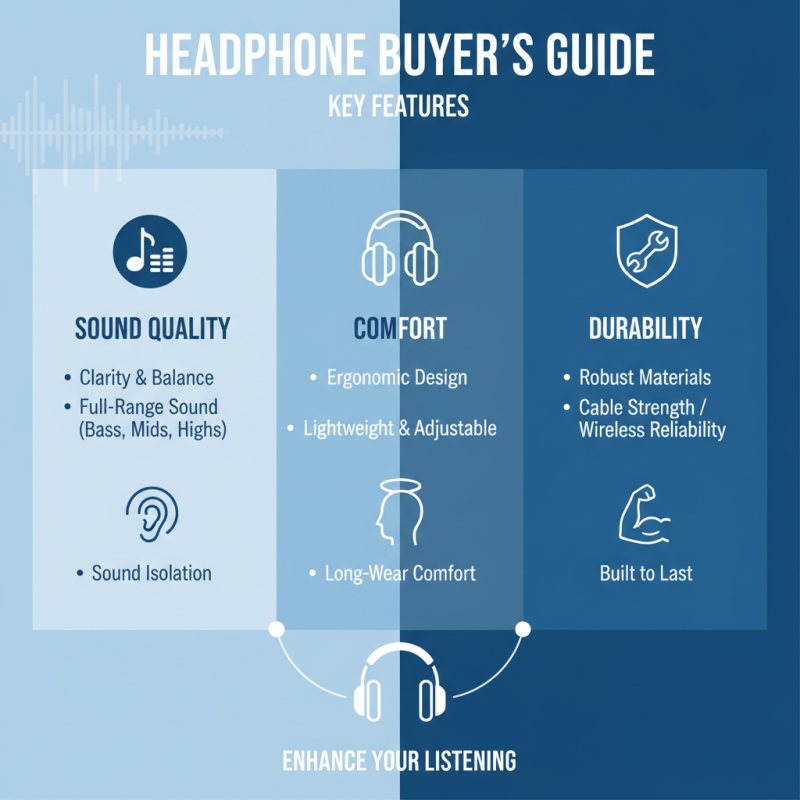
When selecting Head Phones, consider features like sound quality, comfort, and durability. Wireless options offer convenience, while wired models may provide better audio fidelity. Your usage environment also matters—noise-canceling Head Phones can enhance focus in busy places.
Misjudging your requirements can lead to regret. Many end up with Head Phones that do not suit their lifestyle. Ask yourself questions about sound preferences and how often you will use them. With a little research, you can find Head Phones that align with your unique needs.
Understanding Different Types of Headphones: Over-Ear, On-Ear, and In-Ear
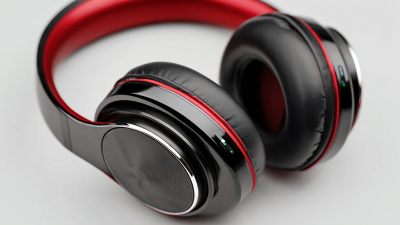
When choosing headphones, understanding the types is crucial. Over-ear headphones provide excellent sound quality. They also offer noise isolation and comfort for long listening sessions. However, they can be bulky and less portable. Consider them for home use or while working in a quiet environment.
On-ear headphones are a middle ground. They are smaller than over-ear models but still offer decent sound. They sit on your ears rather than enclosing them. While they are more portable, some users find them less comfortable over extended periods. Keep this in mind if you plan to use them daily.
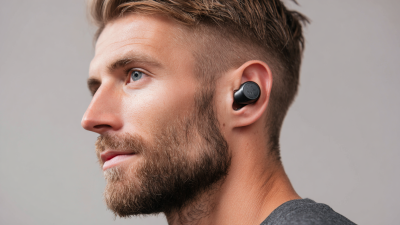
In-ear headphones, or earbuds, are the most portable option. They fit snugly in your ear canal and are great for active lifestyles. Sound quality can vary greatly. Look for models that offer good bass and clarity. They can also be easy to misplace.
Tips: Always test different styles before buying. Prioritize comfort and sound quality that suits your preferences. Reading reviews can also help in making informed choices. Explore various types to find what truly works for you.
How to Choose the Best Head Phones for Your Needs?
| Headphone Type |
Description |
Advantages |
Disadvantages |
Best Use Cases |
| Over-Ear |
Large headphones that encase the ear for better sound isolation. |
Superior sound quality, noise isolation, comfortable for long use. |
Bulkier, can be hot during extended use, not very portable. |
Home use, studio monitoring, audiophile listening. |
| On-Ear |
Smaller than over-ear, resting on the ear instead of surrounding it. |
More portable, generally lighter, decent sound quality. |
Less noise isolation, can be uncomfortable for long periods. |
Commuting, casual listening, office use. |
| In-Ear |
Small earbuds that fit directly in the ear canal. |
Highly portable, good noise isolation, less conspicuous. |
Can cause discomfort, sound quality varies greatly. |
Fitness, travel, daily commuting. |
Wired vs. Wireless Headphones: Pros and Cons for Different Use Cases
When deciding between wired and wireless headphones, understanding their pros and cons is essential. Wired headphones generally offer better sound quality. They deliver a consistent audio experience without latency. Many audiophiles prefer the clarity and depth of sound that wired options provide. However, the cables can be restrictive, leading to tangling or damage over time.
Wireless headphones offer freedom of movement. They are perfect for workouts or commuting. Enhanced features such as noise cancellation and touch controls add convenience. Yet, battery life becomes a concern. Wireless headphones must be charged regularly. Also, sound quality can sometimes suffer. Connectivity issues may arise, interrupting your listening experience.
Tips: For audiophiles, good wired headphones might be worthwhile. For those who value convenience, wireless options can enhance daily activities. Always test the fit and comfort, especially for long usage. Consider your typical listening environment; noise isolation can greatly affect your experience.
Battery Life and Charging Options: What to Look for in Wireless Headphones
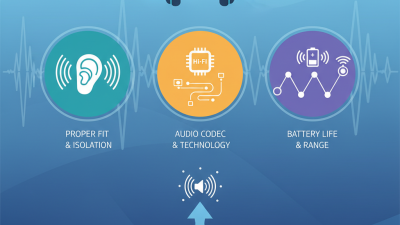
When selecting wireless headphones, battery life and charging options are critical factors. A report by the Consumer Electronics Association indicates that 60% of users consider battery longevity the most significant feature. Most modern wireless headphones promise around 20 to 30 hours of playback with active noise cancellation. However, real-world usage often falls short. Factors such as volume levels and connection stability can impact battery performance.
Charging options also deserve attention. Quick charging capabilities can be a game changer. Many headphones provide a 10-minute charge for several hours of playtime. Yet, some users express frustration with proprietary charging cables that limit convenience. Compatibility with standard USB-C ports is now preferred. Moreover, some models offer wireless charging, adding another layer of convenience. But again, users should be cautious, as this feature may sometimes lead to slower charging times.
Ultimately, not all headphones live up to their promises. Users need to analyze reviews and specifications critically. While manufacturers tout impressive battery life, actual experiences can vary widely. It's essential to balance features against real user feedback to choose wisely.
Setting a Budget: Finding Headphones That Offer the Best Value for Your Needs
When setting a budget for headphones, it's crucial to understand your own needs. Consider how you'll use them. Are you commuting, working out, or enjoying a quiet evening at home? Each scenario demands different features, so identify what you value most: sound quality, noise isolation, or comfort.
The price range of headphones varies widely. You can find decent options for under $50, but premium models may cost over $300. Focus on the features that matter to you. When researching, read reviews and compare specifications. Relying solely on price can be misleading. Some affordable headphones offer great performance, while high-end models may not meet your expectations.
Keep in mind that your budget might not cover all your desires. Sometimes, you may have to compromise on certain features to stay within your limit. Don't be afraid to adjust your expectations. A balance between quality and price is essential. Whatever choice you make, ensure it suits your lifestyle and listening preferences.
Ultimately, taking the time to understand your specific needs will lead you to the best choices. Happy listening!