How to Choose the Best Bluetooth Headphones for Your Needs?
Choosing the right Bluetooth headphones can be overwhelming. With numerous brands and features available, it's crucial to understand your needs. According to a recent report by Market Research Future, the Bluetooth headphone market is projected to reach $40 billion by 2026. This surge highlights the growing importance of quality audio experiences.
Industry expert Simon Hart, a prominent audio engineer, states, "Finding the right Bluetooth headphones is like discovering your favorite playlist." His insights remind us that personal preferences play a vital role in selection. Consider factors such as sound quality, battery life, and comfort. Sometimes, even the most popular models might not suit individual needs.
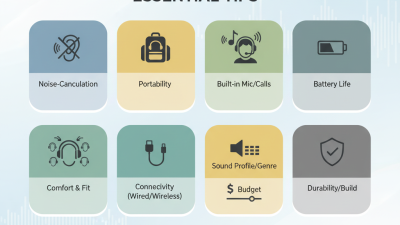
Technical specifications are essential but can be confusing. Many users get lost in battery specs, driver sizes, and connectivity ranges. A recommendation may seem great, but it might not fulfill your specific requirements. Reflect on what you truly need from Bluetooth headphones. Whether it's noise cancellation for a busy commute or superior bass for music lovers, each choice can significantly impact your listening experience.
Understanding Your Listening Preferences and Needs
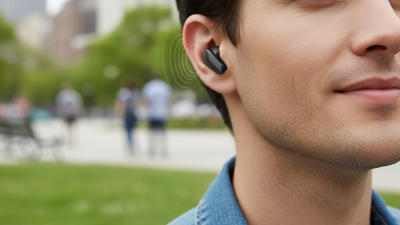
Choosing the right Bluetooth headphones starts with understanding your listening preferences. Do you enjoy deep bass, clear vocals, or a balanced sound? Identifying your taste will narrow down your options. Noise isolation might be vital if you often use headphones in busy environments. Alternatively, if you prioritize awareness of your surroundings, open-ear designs could suit you better.
Tips: Consider testing headphones in-store. Listen to your favorite songs. Pay attention to how they sound. Comfort is equally essential. Ear cushions and fit can affect your experience. If they hurt after a short time, they may not be the best choice.
Battery life is another crucial factor. How long can you use them without recharging? If you're often on the go, a longer battery life is beneficial. However, remember that higher endurance can sometimes mean heavier headphones. The trade-off between comfort and utility is worth reflecting on. Seek a balance that works for your daily life.
How to Choose the Best Bluetooth Headphones for Your Needs?
| Category |
Description |
Recommendation Level |
Ideal Use Case |
| Noise Cancellation |
Active noise cancellation to block out background noise. |
High - Recommended for frequent travelers. |
Urban commuting or noisy environments. |
| Battery Life |
Duration of use on a single charge. |
Medium - Important for long usage without charging. |
Travel or long working hours. |
| Sound Quality |
Clarity and balance of audio reproduction. |
High - Essential for audiophiles. |
Critical listening sessions or music production. |
| Comfort |
How comfortable the headphones are for long periods of use. |
High - Important for extended wear. |
Studying, working, or relaxing. |
| Portability |
Ease of carrying and storing headphones. |
Medium - Useful for on-the-go listeners. |
Traveling or gym use. |
| Water Resistance |
Resistance to moisture and sweat. |
Medium - Beneficial for active users. |
Exercise or outdoor activities. |
Key Features to Consider When Selecting Bluetooth Headphones
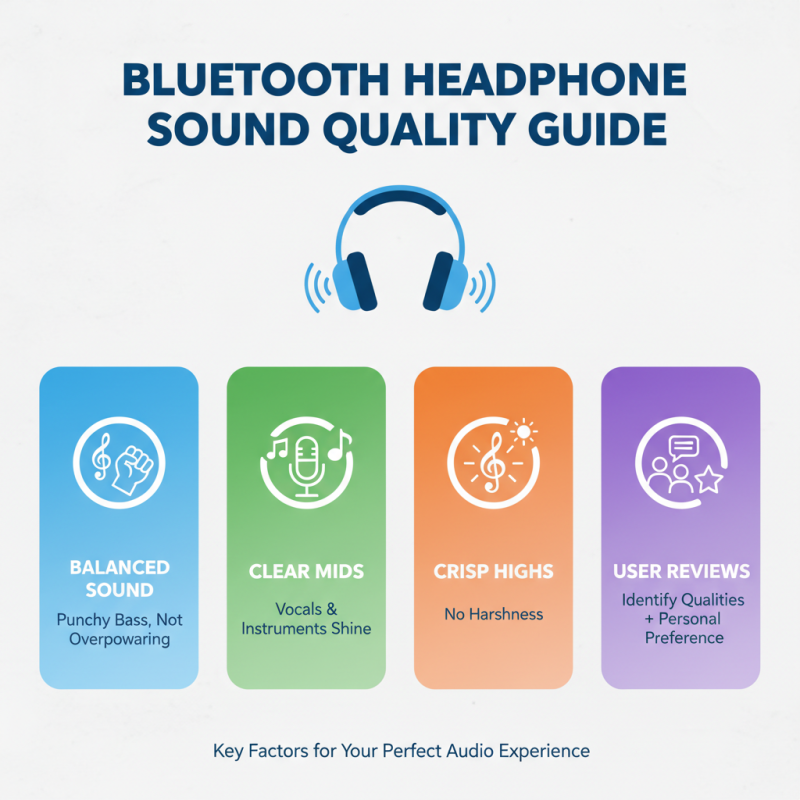
When selecting Bluetooth headphones, sound quality is crucial. Look for headphones that deliver clear audio across all frequencies. Bass response is important for music lovers. For podcast enthusiasts, crisp vocals matter. Make sure the headphone has a well-balanced sound profile.
Comfort is another key feature. Test different designs to find the best fit. Over-ear models often provide better isolation and comfort for long wear. On-ear and in-ear models can offer portability. Padding is essential for hours of use without discomfort.
Battery life varies widely. Some headphones might last 20 hours, while others fall short. Consider how you intend to use your headphones. Will you be commuting daily? A longer battery life is beneficial. However, if you use them for short periods, a shorter charge may suffice. Don't forget to think about connectivity range. Ideally, you want headphones that maintain a steady connection within a decent distance.
Comparison of Key Features in Bluetooth Headphones
Exploring Comfort and Design Options for Long-Term Use
When it comes to comfort and design, Bluetooth headphones can vary widely. Comfort is crucial for long-term use. Look for models with cushioned ear cups. These provide better support for hours of listening. Lightweight materials can prevent fatigue during long sessions.
Tips: Try them on for at least 15 minutes. Pay attention to any pressure points. If you feel discomfort, consider different designs. Some headphones offer adjustable headbands. This feature can enhance overall fit and comfort.
Design options are important too. Sleek and modern aesthetics appeal to many users. However, they can also prioritize style over comfort. Opt for a balanced design. You want headphones that look good but feel better. Features like foldable designs and adjustable hinges can enhance usability.
Tips: Explore color options that suit your style. Remember that a bulky design may not fit well with your lifestyle. Assess the practicality of your choice. Reflect on how often you’ll use them. This will help narrow down the options.
Assessing Price and Brand Reputation for Better Choices
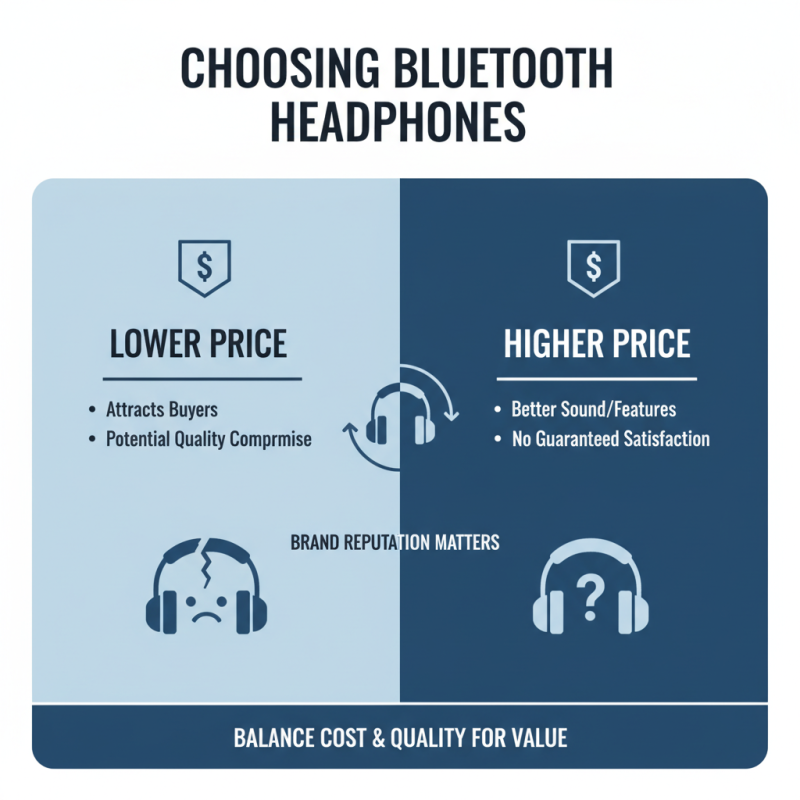
When choosing Bluetooth headphones, price and brand reputation play crucial roles. A lower price often attracts buyers. However, it may indicate a compromise in quality. Higher-priced models usually offer better sound and features. But, not all expensive brands guarantee satisfaction.
Check reviews from trusted sources. These can reveal experiences from real users. Sometimes, the hype around popular brands can mislead. Look for feedback on comfort, durability, and battery life. A well-reviewed but less-known brand might meet your needs effectively.
Consider your budget and requirements carefully. A limited price range can narrow your options. However, skimping on sound quality is a common mistake. Sometimes, it’s worth stretching your budget for a better listening experience. Don’t overlook small brands; they may surprise you with their offerings. Be open to learning from both successes and disappointments.