2026 How to Choose the Best Bluetooth Headphones for Your Needs?
Choosing the right Bluetooth headphones can be daunting. The market offers countless options. It’s easy to get lost in features and specifications. Industry expert James Harrison says, “Great sound quality should always be your priority.”
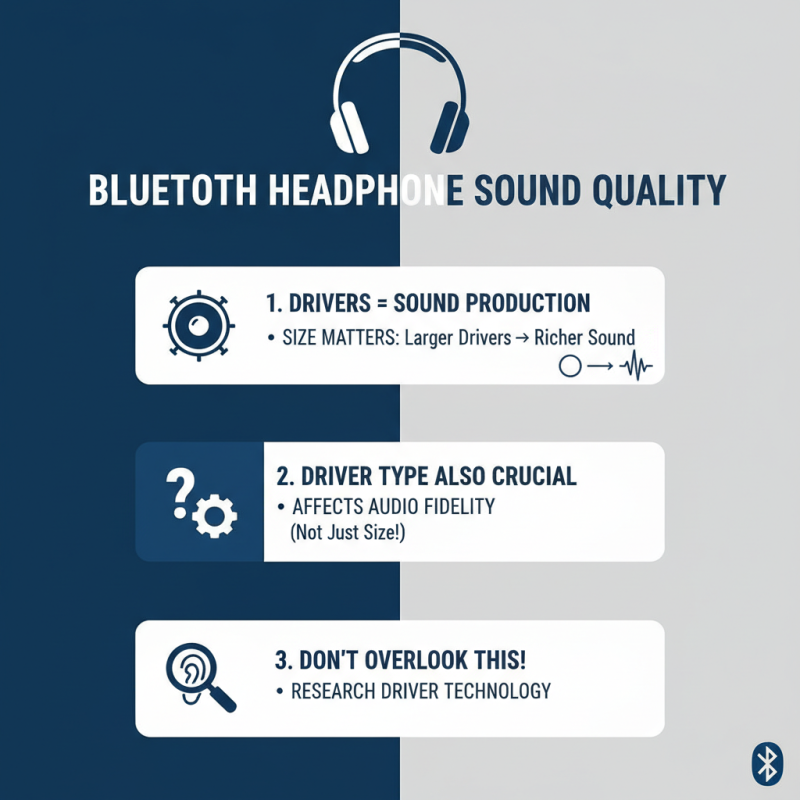
When considering Bluetooth headphones, sound quality is paramount. Look for clear audio and deep bass. Comfort is also crucial. You want headphones that fit well for long listening sessions. The design is another factor. Some may prefer over-ear models while others like in-ear options.
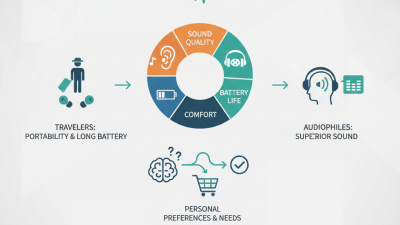
Don’t forget battery life. Some Bluetooth headphones last longer than others. This can affect your listening experience. It's important to research and reflect on what matters the most to you. Remember, your choice reflects your personal needs and preferences in sound quality and comfort.
Understanding Bluetooth Technology: Key Features and Standards
Bluetooth technology has evolved significantly. Understanding its key features is crucial for selecting the best headphones. There are various Bluetooth versions to consider. Higher versions generally offer better connectivity and battery efficiency. For instance, Bluetooth 5.0 allows connections to multiple devices simultaneously. This can enhance user experience when switching between devices.
Another important aspect is audio codecs. Codecs like aptX and AAC affect sound quality. They compress audio data for efficient transmission. However, not all devices support every codec. This may lead to unexpected audio quality issues. Also, consider the wireless range. Most Bluetooth devices operate within a 30-foot radius. Walls and obstacles can reduce this range, impacting your listening experience.
Battery life is another critical factor. Some headphones boast up to 30 hours of playback. Yet, maintaining that performance can be a challenge. Users may find that actual playback time varies based on usage. Whether it's continuous use or frequent connections, reflection on these elements is vital. Picking the right headphones can feel overwhelming. It's essential to weigh these features against personal needs and preferences.
2026 Bluetooth Headphones Features Comparison
Assessing Battery Life: Average Performance and Charging Times in 2026
When choosing Bluetooth headphones, battery life is a major factor. In 2026, the average performance usually falls between 20 to 30 hours. Some models, however, offer impressive longevity. Look for options with quick charging capabilities as well. Some headphones can reach a full charge in just a couple of hours. Others might take longer, which can be frustrating.
Battery longevity is not just about numbers. Consider how you plan to use your headphones. If you work long hours or travel often, extended battery life is crucial. However, for casual use, shorter battery times could suffice. Testing your own headphones is important. User experiences can differ significantly from manufacturer claims.
**Tip:** Always check for fast charging options. A quick 10-minute charge can provide several hours of playtime.
Another aspect to ponder is how usage impacts battery performance. Higher volume levels often drain batteries faster. It might be worth adjusting the volume for extended listening sessions. Always take note of performance over time. A headphone that starts strong in its early days might underperform later.
**Tip:** Keep your headphones updated. Software improvements can enhance battery efficiency, prolonging life.
Assessing Battery Life: Average Performance and Charging Times in 2026
| Type |
Average Battery Life (Hours) |
Charging Time (Hours) |
Standby Time (Days) |
| Over-Ear Headphones |
30 |
2 |
15 |
| On-Ear Headphones |
25 |
1.5 |
10 |
| In-Ear Earbuds |
20 |
1 |
7 |
| True Wireless Earbuds |
18 |
1.5 |
5 |
| Sports Headphones |
22 |
1.5 |
8 |
Fit and Comfort: Finding the Right Design for Extended Use
When choosing Bluetooth headphones, fit and comfort are crucial. A good pair should feel secure yet comfortable for long listening sessions. Look for headphones with adjustable headbands and cushioned ear cups. These features help distribute weight evenly. If they are too tight or too loose, you may experience discomfort.
Some users prefer in-ear models, while others like over-ear designs. In-ear headphones can be more portable and lighter, but they might not be comfortable for everyone. Over-ear headphones provide a more immersive experience but can feel heavy after some time. Think about your usage. Are you on the go or sitting at a desk? Your lifestyle plays a major role in this choice.
A common mistake is prioritizing sound quality over comfort. Even great audio can’t make an uncomfortable headphone bearable. Try different styles before settling down. Don’t rush the process, and remember: comfort varies from person to person. What works for one may not work for another. Listening to your body’s feedback is essential in finding the right fit.
Special Features to Consider: Noise Cancellation and Connectivity Options
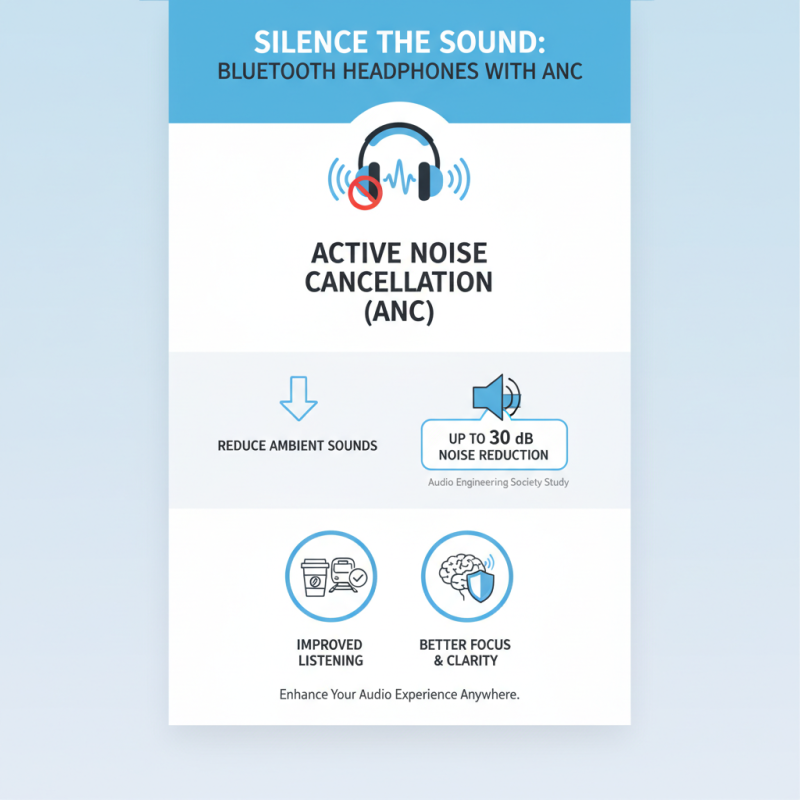
When selecting Bluetooth headphones, noise cancellation is a pivotal feature. Active noise cancellation (ANC) technology can reduce unwanted ambient sounds. According to a study by the Audio Engineering Society, effective ANC can diminish noise perception by up to 30 dB. This offers a significant improvement in listening experience, especially in noisy environments like cafes or public transportation.
Connectivity options also play a crucial role in headset selection. Most modern headphones support Bluetooth 5.0, which provides greater range and faster pairing times. A report from the International Telecommunication Union states that devices equipped with Bluetooth 5.0 can connect up to 800 feet away, compared to older versions. This allows you to move freely while enjoying high-quality audio. It’s essential to check compatibility with your primary devices. Not all headphones work seamlessly with every system.
While opting for connectivity and noise cancellation features, one must consider personal preferences. For instance, some users may find ANC too isolating. Others might prefer traditionally designed headphones that allow some background sound. The choice really depends on individual needs and lifestyle. It’s worth testing various options before making a final decision.