Leave Your Message
Real-time beamforming microphone arrays filter out up to 96% of background office cross-talk and peripheral bullpen voices.
Feedforward and feedback microphones attenuate low-frequency server humming, air conditioning rumble, and ambient distractions.
Built-in acoustic shock limiters suppress sudden transient audio spikes above 85-118 dBA, safeguarding agent auditory health.
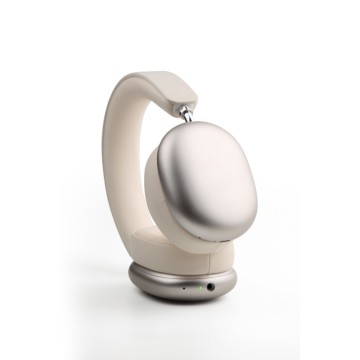
Featherlight headband tensioning and memory protein ear-cushions designed specifically for intensive 8-to-12 hour telemarketing shifts.
In high-density commercial telemarketing centers, noise is not merely an inconvenience—it is a critical point of friction that directly deteriorates corporate conversion rates, swells Average Handle Time (AHT), and triggers rapid representative fatigue. Telemarketing floors routinely register sustained acoustic pressures between 65 dB and 78 dB. When hundreds of agents operate simultaneously in adjacent cubicles, traditional passive headsets fail completely. Customers on the receiving line hear a chaotic cacophony of neighboring sales pitches, immediately degrading brand credibility and sparking customer skepticism.
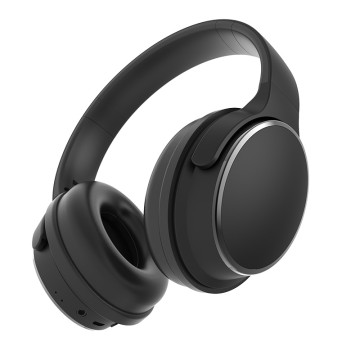
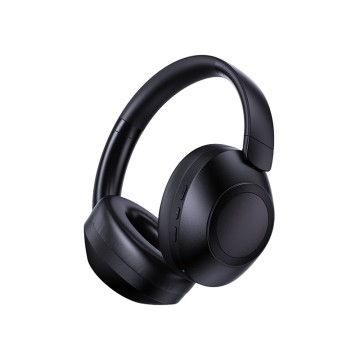
The strategic deployment of the best sound cancelling headphones for telemarketing and call centers has emerged as an indispensable operational standard. Contemporary telemarketing headset engineering integrates two distinct acoustic vectors: Environmental Noise Cancellation (ENC) for outgoing uplink transmission, and Active Noise Cancellation (ANC) for incoming downlink reception. ENC systems rely on dual or triple omnidirectional microphones governed by Digital Signal Processing (DSP) algorithms. The primary microphone captures near-field voice harmonics, while secondary microphones capture the surrounding ambient room noise. Inverting the ambient phase cancels peripheral voices, delivering pristine vocal isolation to the client on the other end of the line.
In high-velocity telemarketing settings, agents make upwards of 150 to 300 calls per shift utilizing predictive dialers. Bullpen cross-talk is the leading reason leads hang up within the first seven seconds. Headsets featuring AI-driven ENC algorithms isolate the agent's voice, eliminating background noise so that every outbound call feels personal, professional, and trustworthy.
The post-pandemic decentralization of contact centers has placed thousands of agents in home environments containing uncontrolled acoustic disturbances—barking pets, children, traffic, and domestic appliances. Advanced wireless ANC/ENC headsets ensure that decentralized customer care delivers the exact same acoustic polish as a sound-treated corporate studio.
Telemarketing in regulated sectors (such as insurance, financial advisory, and healthcare) demands absolute fidelity for voice recordings and compliance disclosures. Muffled syllables or background speech from neighboring desks can lead to regulatory penalties or invalidated contracts. Ultra-wideband frequency response headsets guarantee verifiable audio clarity for legal archiving.
Technical support calls are cognitively demanding and often lengthy. Agents must decipher intricate problem statements while consulting technical documentation. Full hybrid Active Noise Cancellation silences the immediate ambient office environment, lowering cognitive fatigue and allowing support engineers to maintain sharp focus throughout arduous troubleshooting sessions.
Investing in enterprise-grade sound cancelling headsets delivers clear financial returns. Industry studies show that vocal clarity improvements reduce Average Handle Time by 8% to 15% simply by eliminating conversational overlap and constant requests to repeat information ("I'm sorry, can you say that again?"). Furthermore, First Call Resolution (FCR) rates increase noticeably when agents are free from distracting acoustic clutter, leading to higher customer satisfaction scores and reduced call handling costs.
Acoustic fatigue is also a primary driver of agent turnover in the telemarketing sector, where churn rates often exceed 40% annually. Prolonged exposure to poor audio forces agents' brains to work harder to parse speech from noise, leading to headaches, vocal strain, and burnout. Providing ergonomic headsets with built-in acoustic shock limiters and balanced active isolation protects employee well-being and directly reduces costly recruiting and onboarding cycles.
The integration of ultra-low-power Neural Processing Units (NPUs) directly within headset DSP chipsets represents the next frontier in call center telecommunications. While legacy noise suppression systems rely on static spectral subtraction filters, modern Edge AI models are trained on hundreds of thousands of hours of speech and noise samples. These networks differentiate between human vocal tract resonances and non-stationary noises—such as paper rustling, keyboard typing, and coffee machine operation—in real time. This computation occurs on the headset itself with latency under 10 milliseconds, placing zero strain on the host PC or softphone application.
Wireless call centers historically struggled with high-density Bluetooth interference when hundreds of wireless devices operated within the same facility. The advent of Bluetooth 5.4, combined with the Low Complexity Communication Codec (LC3), resolves these capacity bottlenecks. LC3 delivers superior speech intelligibility at half the bitrate of the traditional SBC codec, drastically reducing radio frequency congestion while extending headset battery life beyond 40 to 60 hours of continuous active talk time.
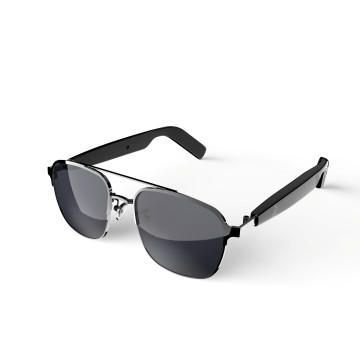
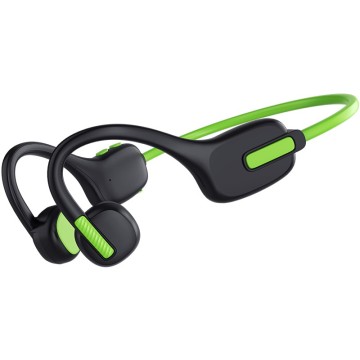
While closed-back over-ear ANC headsets provide unmatched acoustic isolation for loud environments, certain customer service teams prefer to remain aware of their physical surroundings or avoid ear canal pressure during long shifts. This has driven the adoption of directional air conduction headsets. Utilizing open-ear acoustic waveguides, these devices channel crystal-clear sound directly into the ear canal without covering the ear, eliminating moisture buildup and physical ear fatigue while retaining clear microphone uplink quality.
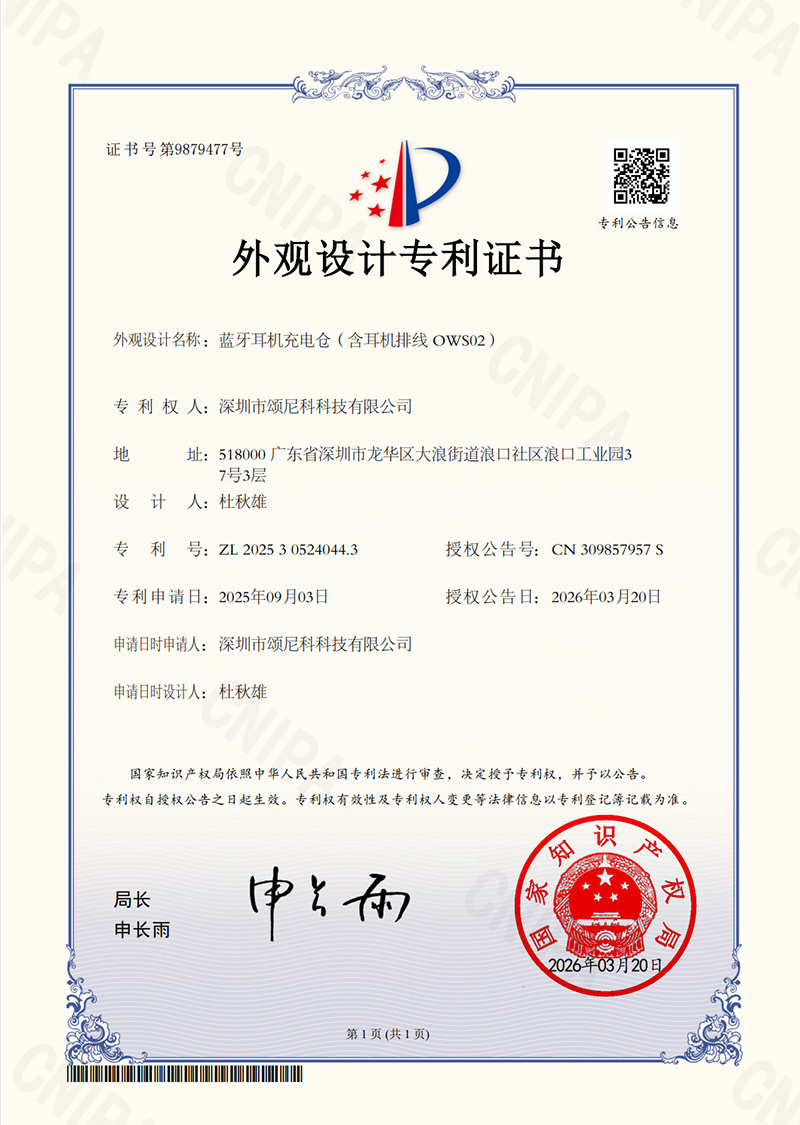

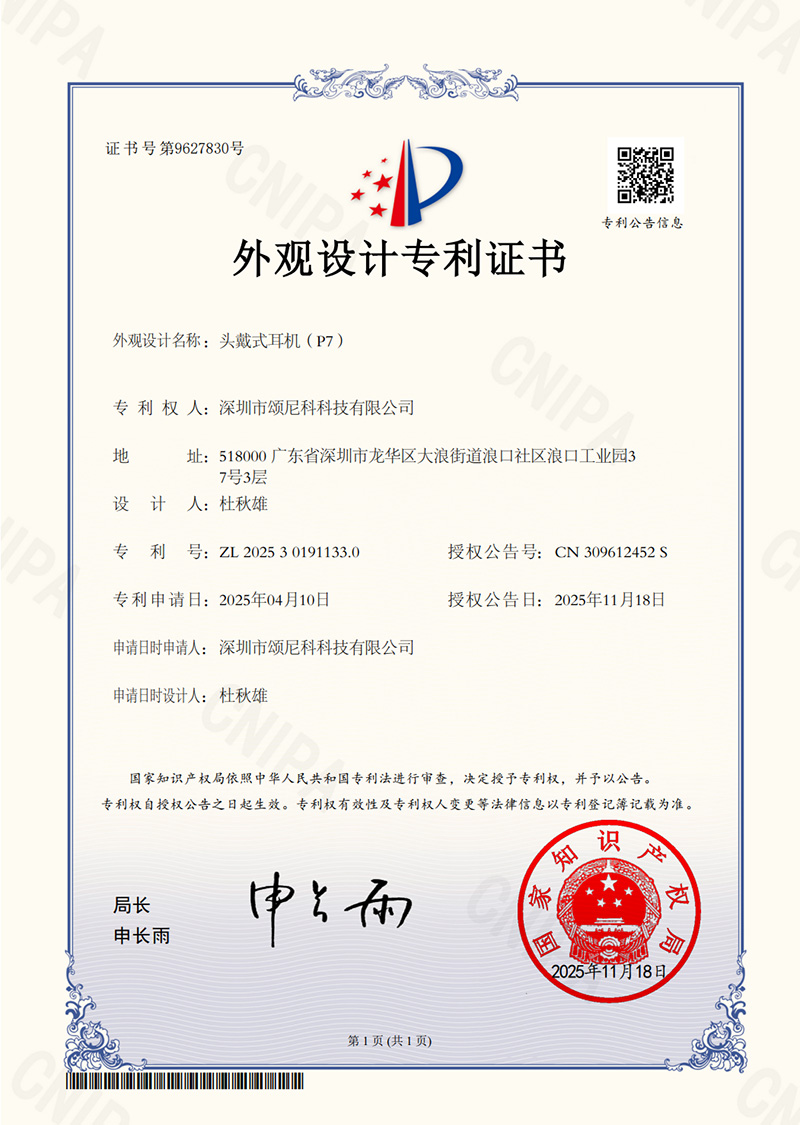
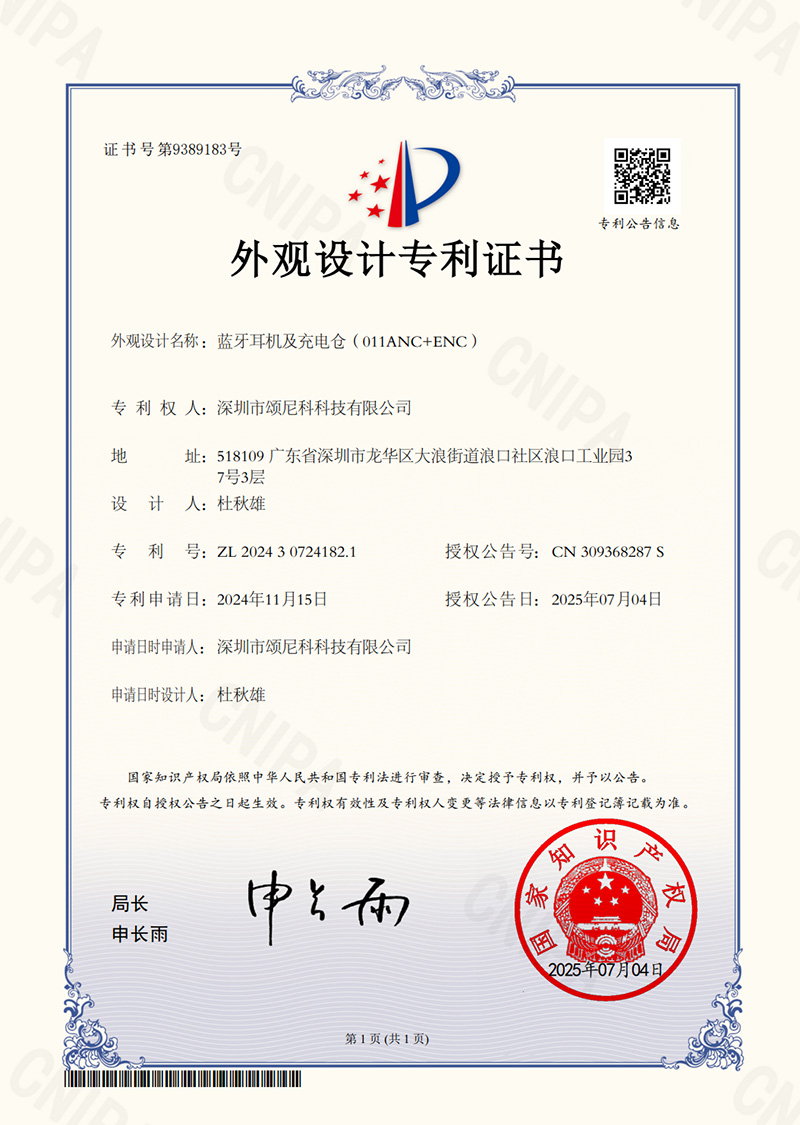
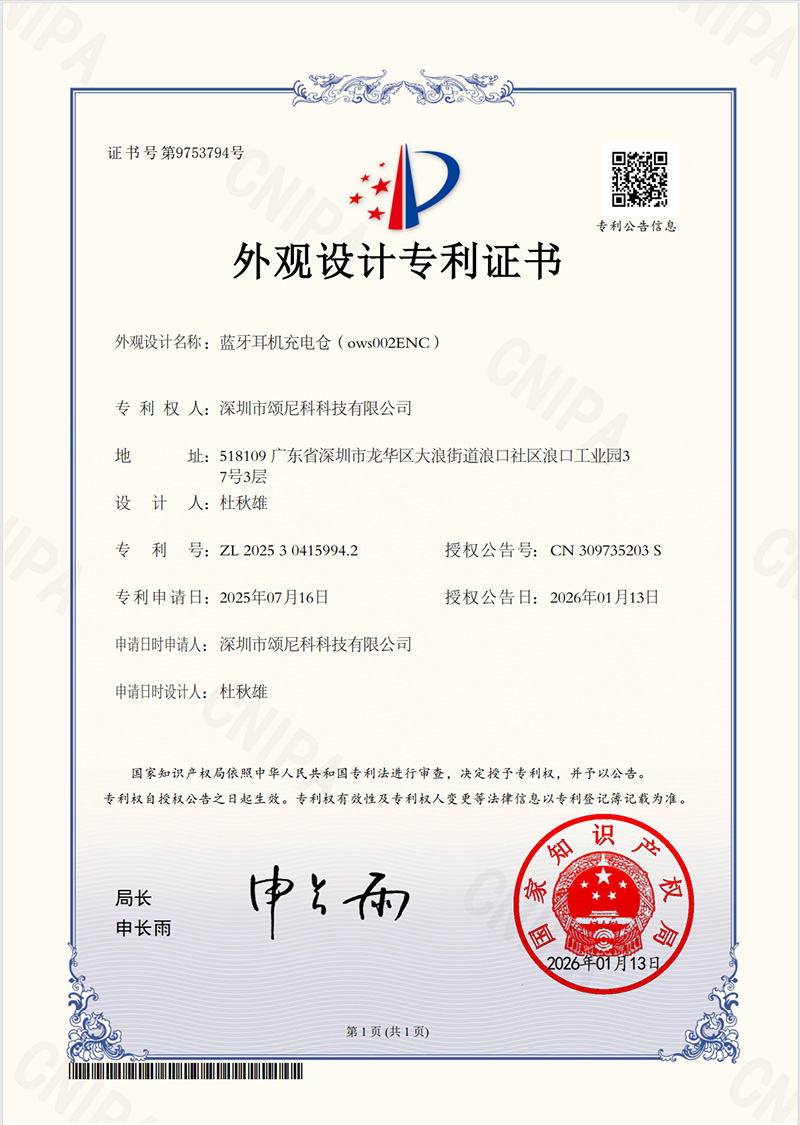
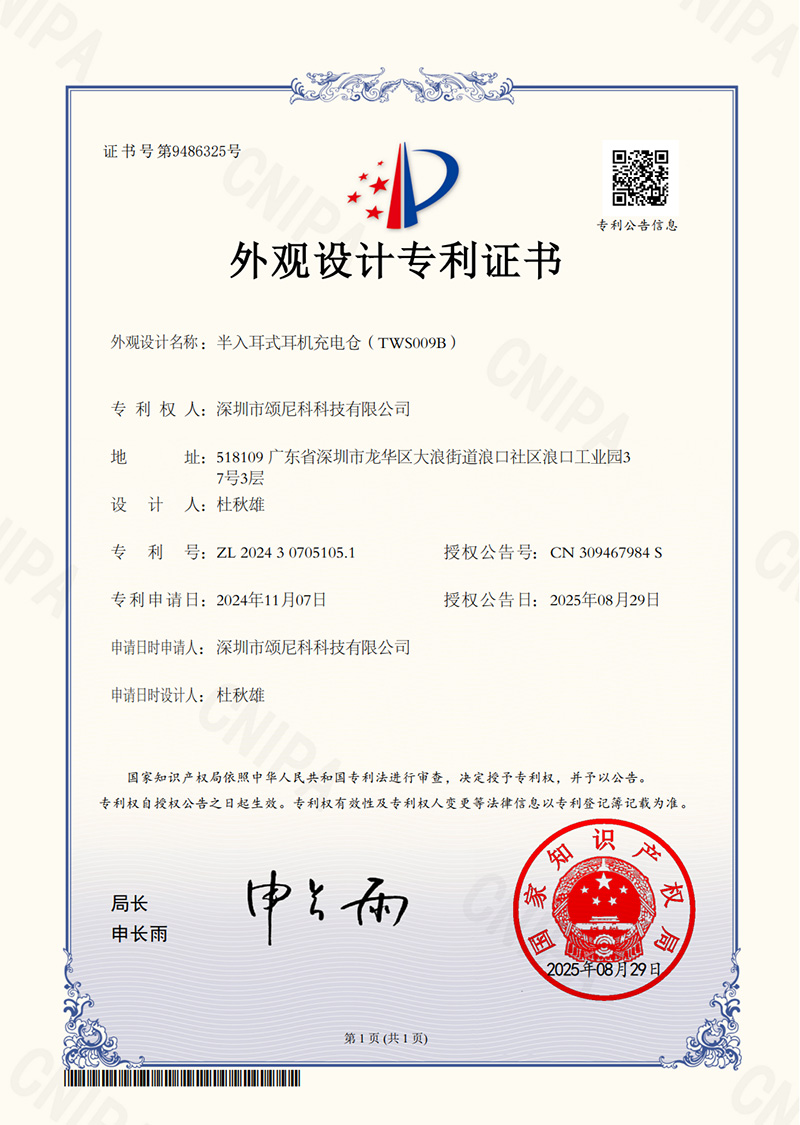
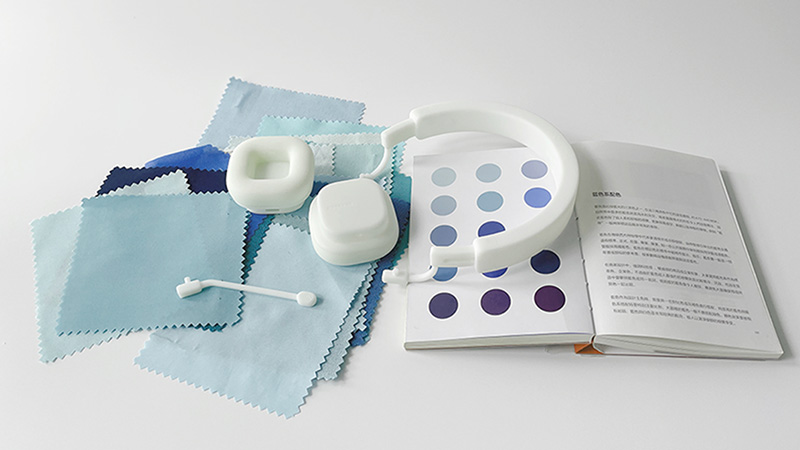
ODM work has made remarkable progress, mainly due to the input of independent design and research teams in various aspects. The design and research teams create new directions by thinking creatively and moving away from simply following market trends. The ODM team leads the industry trends and delivers product solutions with competitive advantages in the market. Product design combines beauty, comfort and smart technology. Sound quality is at the core of product development, and the research team has repeatedly improved and optimized product performance, committed to providing users with a high-quality listening experience.
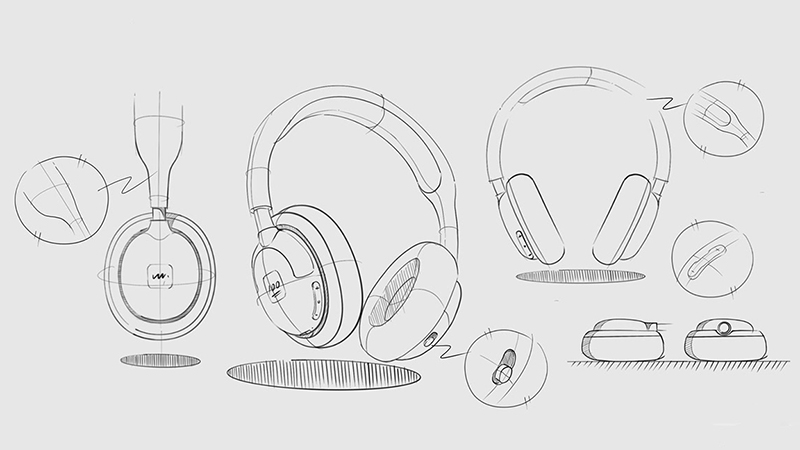
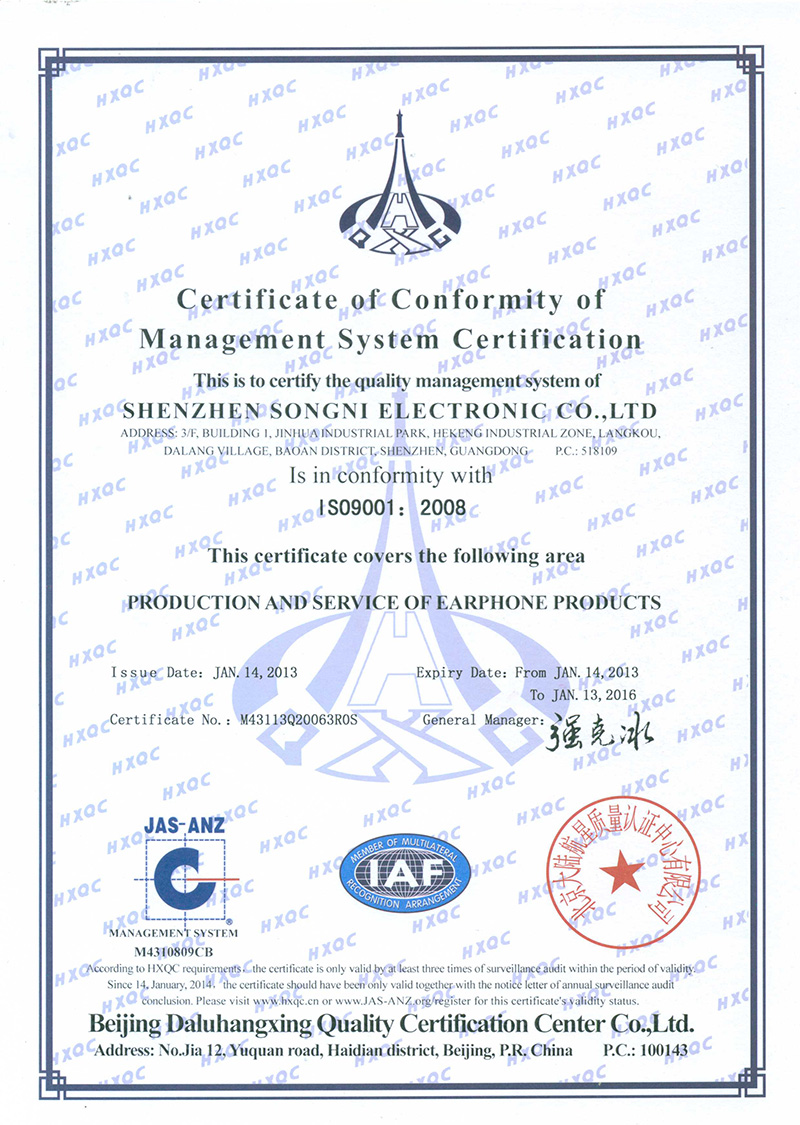
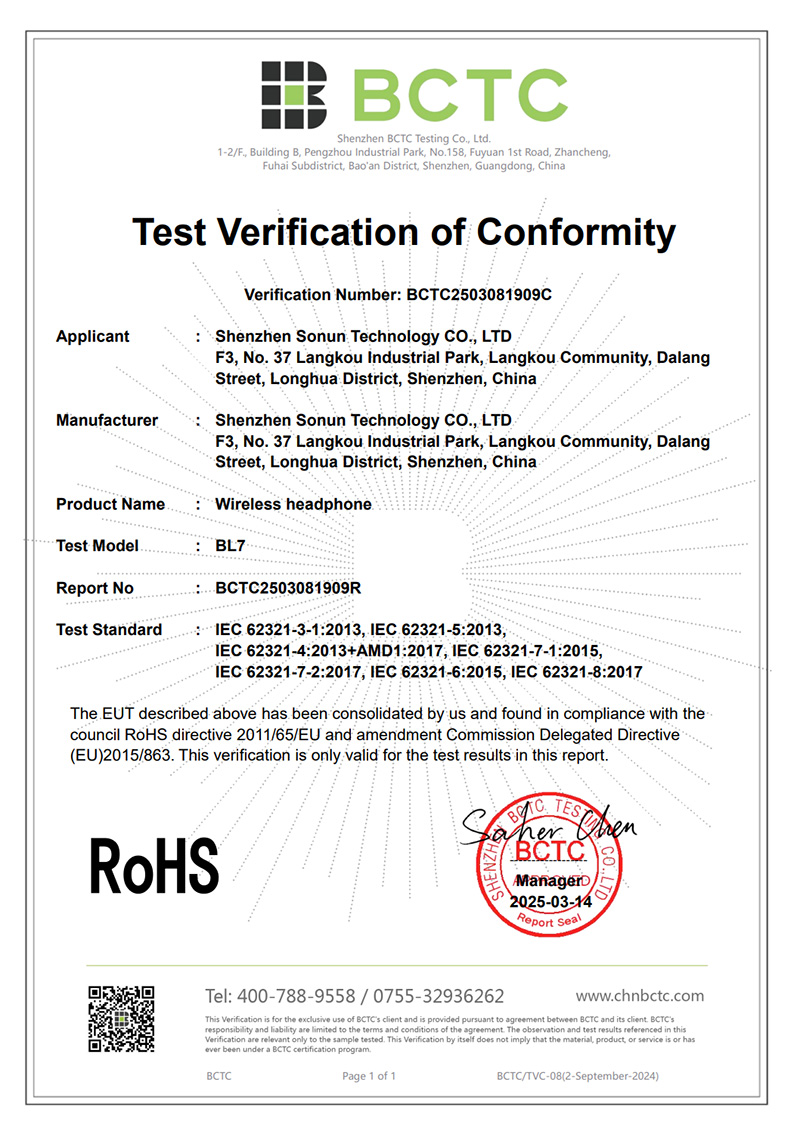
Our journey began with a simple yet ambitious goal: to become a leader in the headphone manufacturing industry. Today, we stand as a testament to that vision. Our OEM services are the backbone of our operations. We take great pride in our ability to meticulously follow client specifications, ensuring that each product we produce is a precise reflection of our clients' vision. Our experienced team, armed with state-of-the-art equipment, navigates the production process with precision and efficiency, adhering to stringent quality standards that are recognized globally.