Leave Your Message
Engineered specifically for young learners and interactive remote classrooms. Certified safe acoustic limits meet crystal-clear speech delivery.
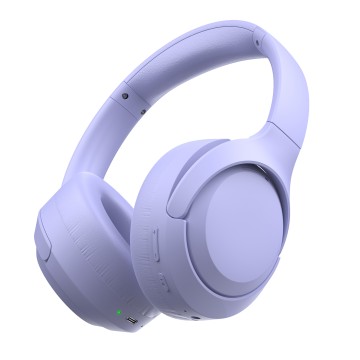
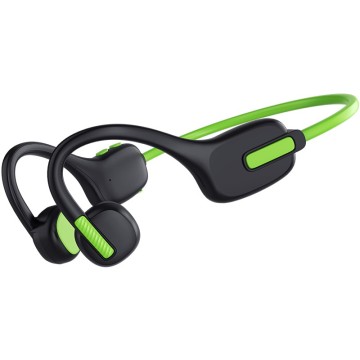
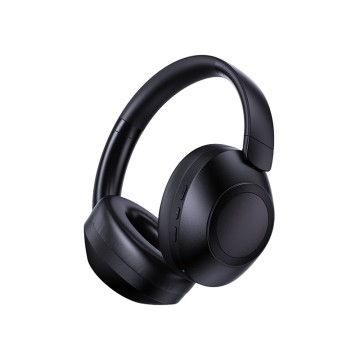
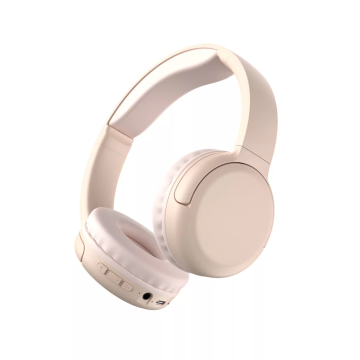
Children possess distinct anatomical and cognitive audio requirements compared to adults. Educational headsets must integrate intelligent hearing protection, durable industrial polymers, and speech-optimized acoustic tuning.
Rigid hardware-level circuitry caps auditory output at safe thresholds endorsed by the World Health Organization (WHO) and OSHA, shielding delicate cochlear hair cells during long-duration school study routines.
Advanced unidirectional boom microphones suppress domestic disturbances—such as sibling conversations, keyboard clatter, and household HVAC sounds—enabling clear speech recognition in virtual tutoring.
Designed with hypoallergenic, food-grade silicone paddings and twistable memory-alloy headbands that withstand extensive mechanical strain, drops, and accidental bends while maintaining minimal clamping force.
The transformation of K-12 learning methodologies from conventional chalkboards to dynamic digital environments has radically redefined the role of educational peripherals. Today, learning is no longer tethered strictly to static classroom walls. Virtual classrooms, language learning applications, interactive STEM simulations, and hybrid educational programs demand sustained auditory engagement. In this emerging ecosystem, sourcing the best headphones for children's online education is no longer a cosmetic preference; it has become an indispensable technical prerequisite for academic success and cognitive retention.
According to industrial supply-chain market analyses, the international educational electronics sector is witnessing a compound annual growth rate (CAGR) exceeding 13.8%. A principal driver of this surge is institutional and parental recognition that conventional adult headphones are fundamentally hazardous for developing auditory channels. Children's ear canals are shorter and structurally more resonant than those of adults, generating significantly higher sound pressure levels (SPL) for equivalent acoustic power output. As a direct consequence, hardware engineers, educational institutions, and global OEM/ODM manufacturers are collaborating to establish uncompromising industrial benchmarks centered on safety, acoustic articulation, and mechanical longevity.
Auditory safety in pediatric hardware requires multifaceted acoustic calibration rather than arbitrary attenuation. When young learners spend between two to six hours daily immersed in online instructional sessions, unprotected exposure to audio spikes above 90 dBA can lead to irreversible noise-induced hearing loss (NIHL). Leading educational headsets resolve this by implementing dual-mode hardware limiters, capping peak dynamic output strictly at 85 decibels (dBA) for everyday learning, with an optional 93 dBA override switch designed explicitly for high-ambient noise scenarios like school transport or study halls.
Beyond volume limitation, intelligent frequency tailoring plays a fundamental role. Standard consumer entertainment headphones heavily accentuate low-end frequencies (sub-bass) to enhance musical sensations or cinematic explosions. In a virtual instructional context, excessive sub-bass induces sensory fatigue and masks teacher articulation.
For children's educational devices, acoustic engineers emphasize the 500 Hz to 4 kHz spectrum—the core consonant and vowel frequency band essential for phonics, language acquisition, and speech intelligibility. This acoustic tuning reduces cognitive effort, allowing students to comprehend instruction instantly without increasing volume levels to dangerous peaks.
| Acoustic Metric | Consumer Headphones | Online Education Headsets |
|---|---|---|
| Max SPL | 105 dB - 115 dB (High Risk) | Hardware Limited 85 dB / 93 dB |
| Target Curve | V-Shaped Bass & Treble Boost | Mid-Frequency Speech Focus |
| Clamping Pressure | Adult Spec (4.5N - 6.0N) | Pediatric Calibrated (< 2.8N) |
| Material Standard | General ABS & Polyurethane | RoHS, REACH, Non-Toxic Silicone |
The contemporary hardware landscape for children's educational audio has seen tremendous engineering advancements. No longer limited to basic analog wired earphones, modern devices feature cutting-edge microchips and innovative sound-delivery methods:
A child studying in a bustling household faces continuous sensory distractions. Incorporating Hybrid Active Noise Cancellation creates an isolated acoustic environment without requiring elevated volume. Forward-facing and inner microphones neutralize constant low-frequency household ambient noise (such as vacuum cleaners, air conditioning compressors, and traffic hum), resulting in heightened concentration and calm study spaces.
Effective remote education is inherently bidirectional. A student must participate in verbal discussions, answer questions, and undergo oral fluency examinations. Modern headsets integrate digital signal processors (DSP) programmed with lightweight AI neural algorithms that isolate the child's vocal formants while rejecting surrounding domestic sounds, ensuring teacher comprehension and grading accuracy on automated assessment software.
For younger kindergarten pupils and outdoor interactive lessons, air conduction technology offers a compelling safety breakthrough. By using directional directional sound beams aimed toward the ear canal without inserting plugs or occluding the outer ear, children preserve situational awareness of their surrounding physical environment while avoiding bacterial buildup and inner ear pressure irritation during prolonged wear.
Children's educational audio devices must be customized for diverse digital pedagogical scenarios:
B2B educational tenders and international brands demand robust manufacturing resilience. Unlike adult electronic accessories, child-targeted products encounter severe wear and tear: cord pulling, drop impacts, headband twisting, and moisture exposure.
Leading manufacturing facilities utilize non-toxic thermoplastic elastomers (TPE) and polypropylene headbands that endure over 10,000 extreme flex cycles without fracture. Cables are reinforced with braided nylon sleeving and heavy-duty strain relief joints that withstand tensile loads over 15 kg. Furthermore, all structural surfaces comply with international child safety standards—including CPSIA, California Proposition 65, EN71, and RoHS—verifying zero phthalates, lead, or carcinogenic plasticizers.
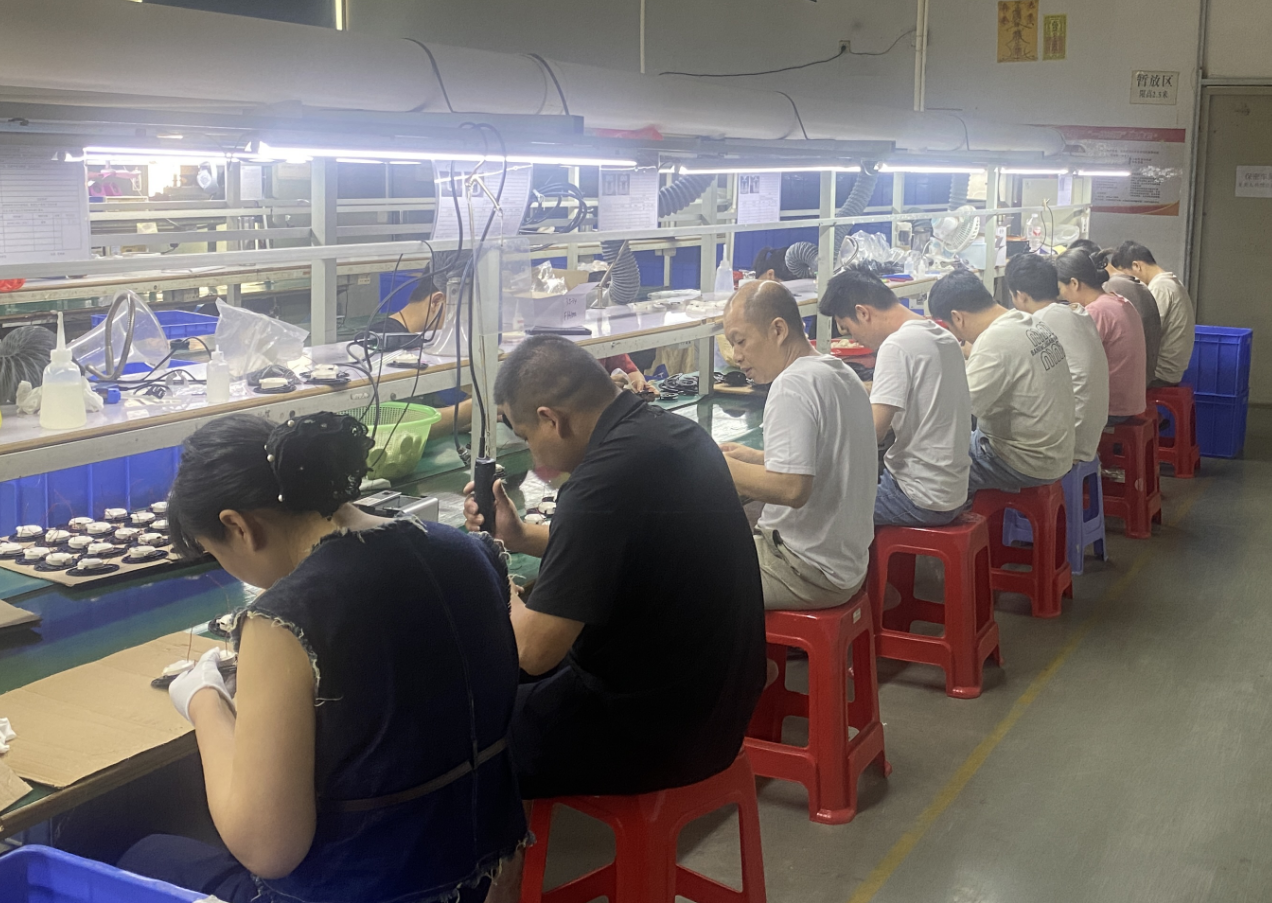
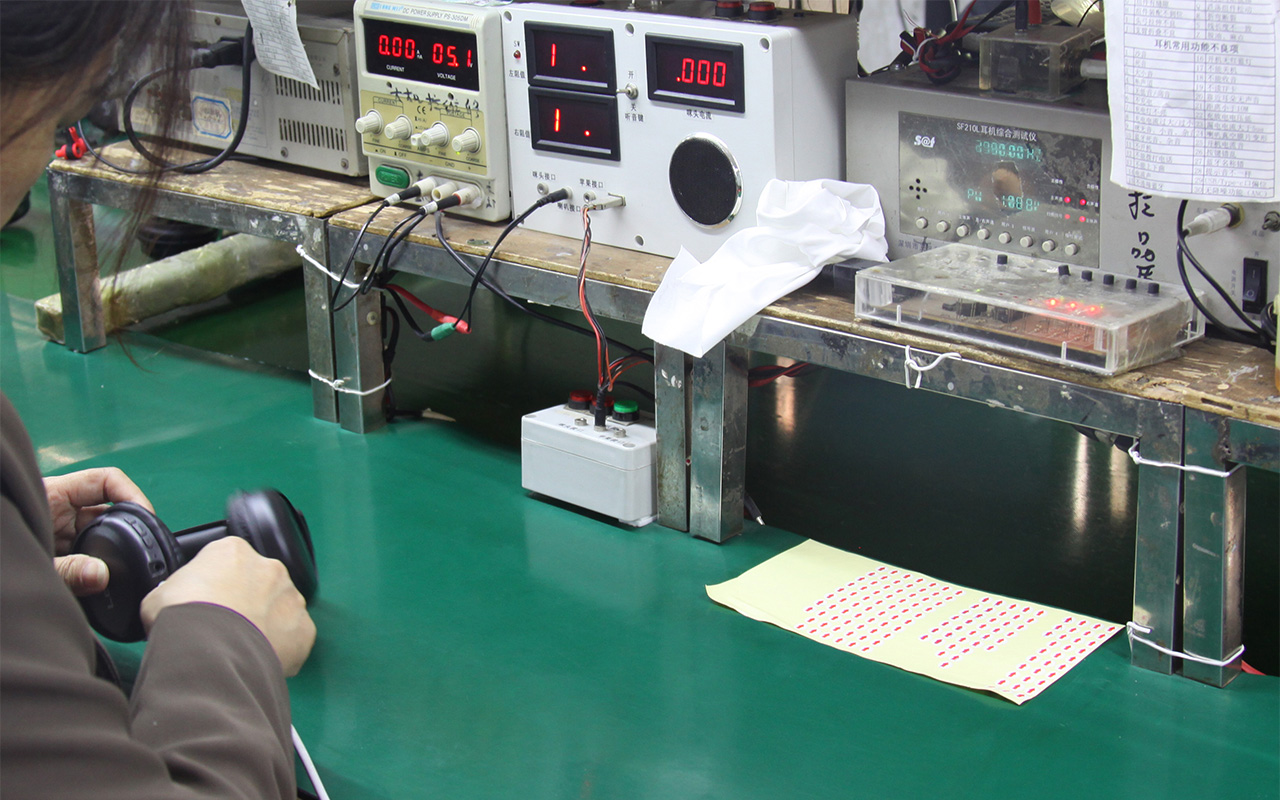
Shenzhen Soneng Technology Co., Ltd. has an extremely comprehensive and in-depth understanding of the headset business, and can provide professional cooperation support for customers. The company actively explores innovative solutions in the headset industry and improves multiple business levels, including brand building. Customers put forward technical problems through the company's professional team to study and put forward exclusive solutions. The company's quality standards are extremely strict, far exceeding the prevailing market level. Products from the project, research and development until the final completion stage are kept improving, forming a standardized management process.
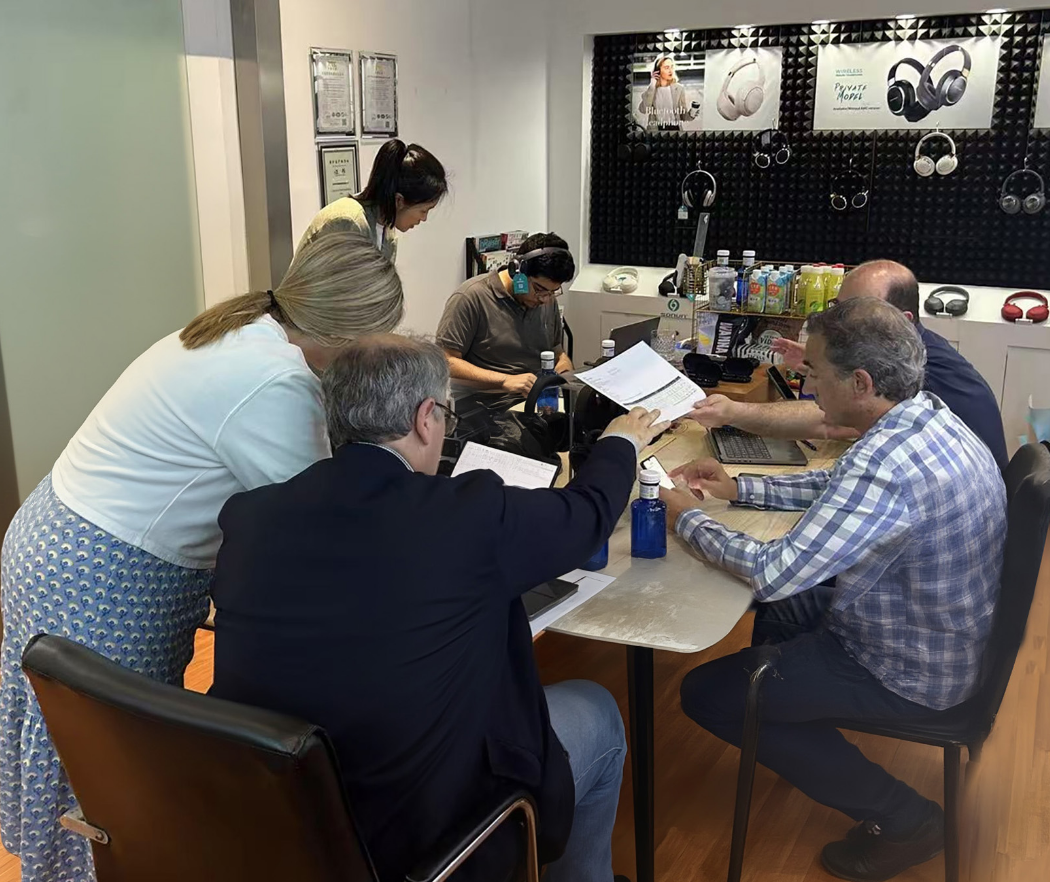
From specialized volume-limiting school headsets to active-lifestyle Bluetooth solutions, our full lineup is available for worldwide OEM/ODM customization and branding.